
Last updated September 22, 2026
Level 1 sweep and inspection to the NFPA 211 annual standard - flue, crown, cap, and flashing checked and photographed
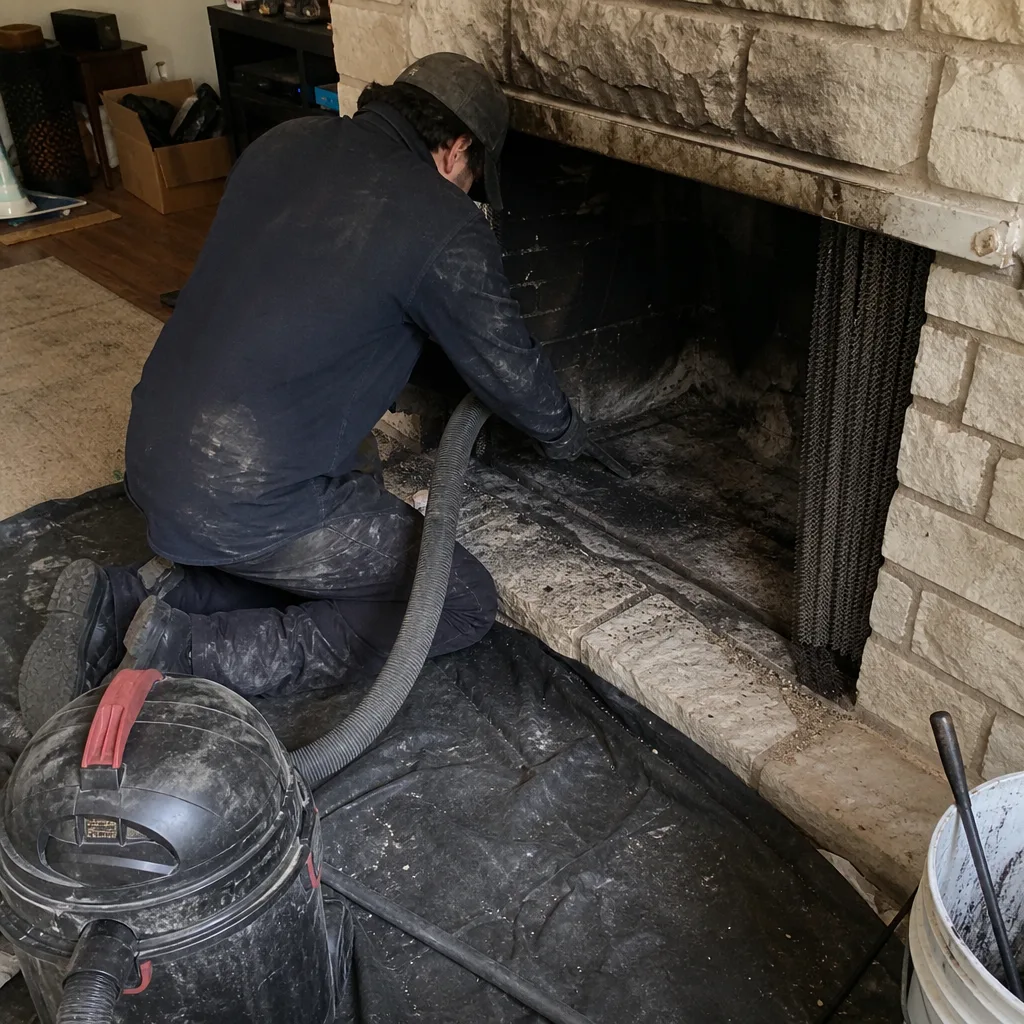
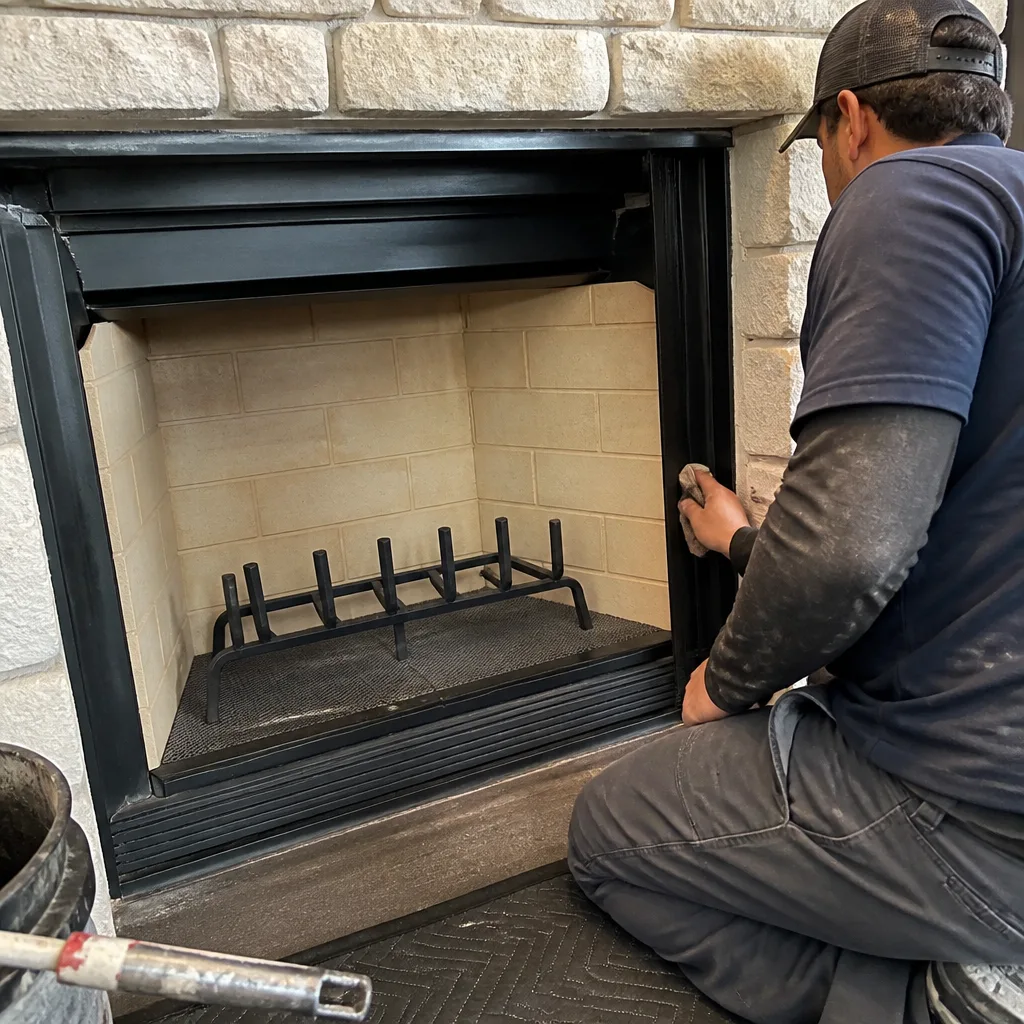
Chimney sweep logs do not sweep chimneys. They loosen some creosote - which then falls where a brush and vacuum still have to collect it.
 Before
 After
After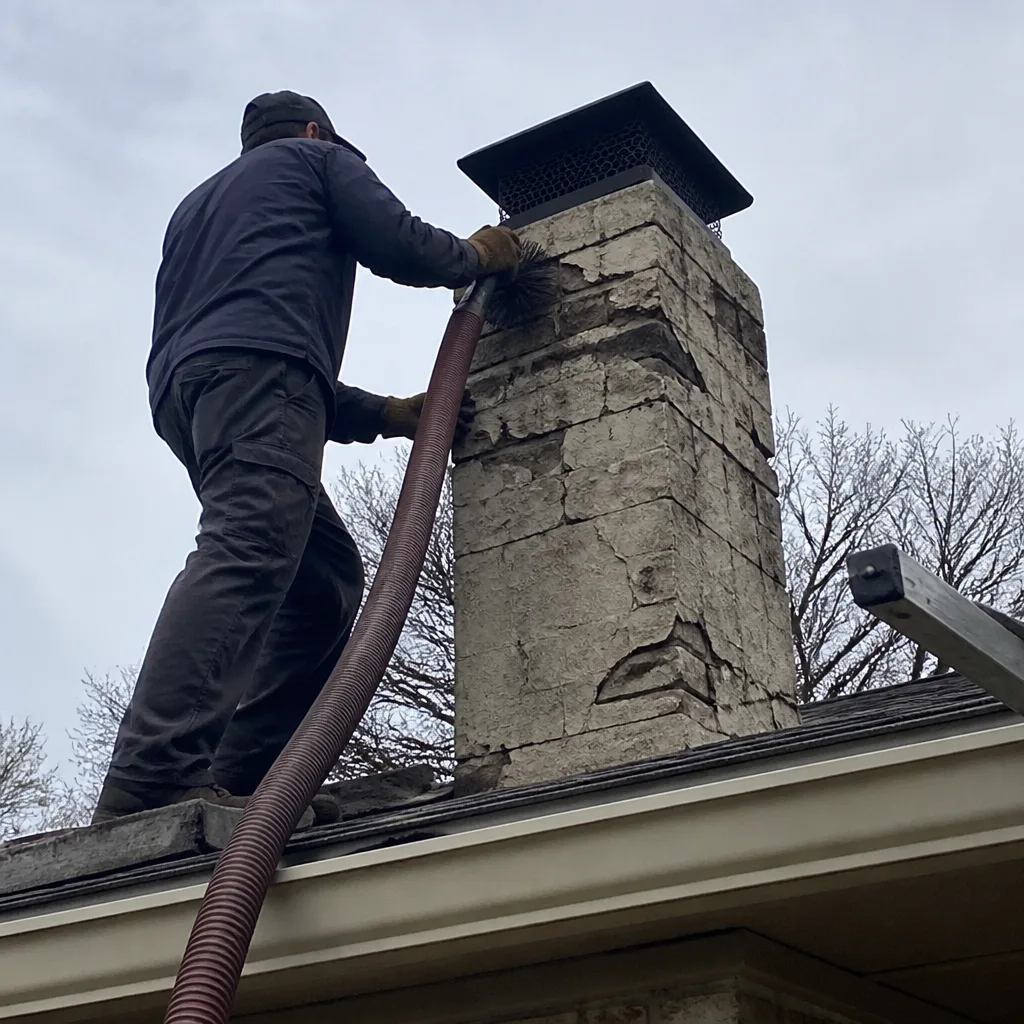 Before
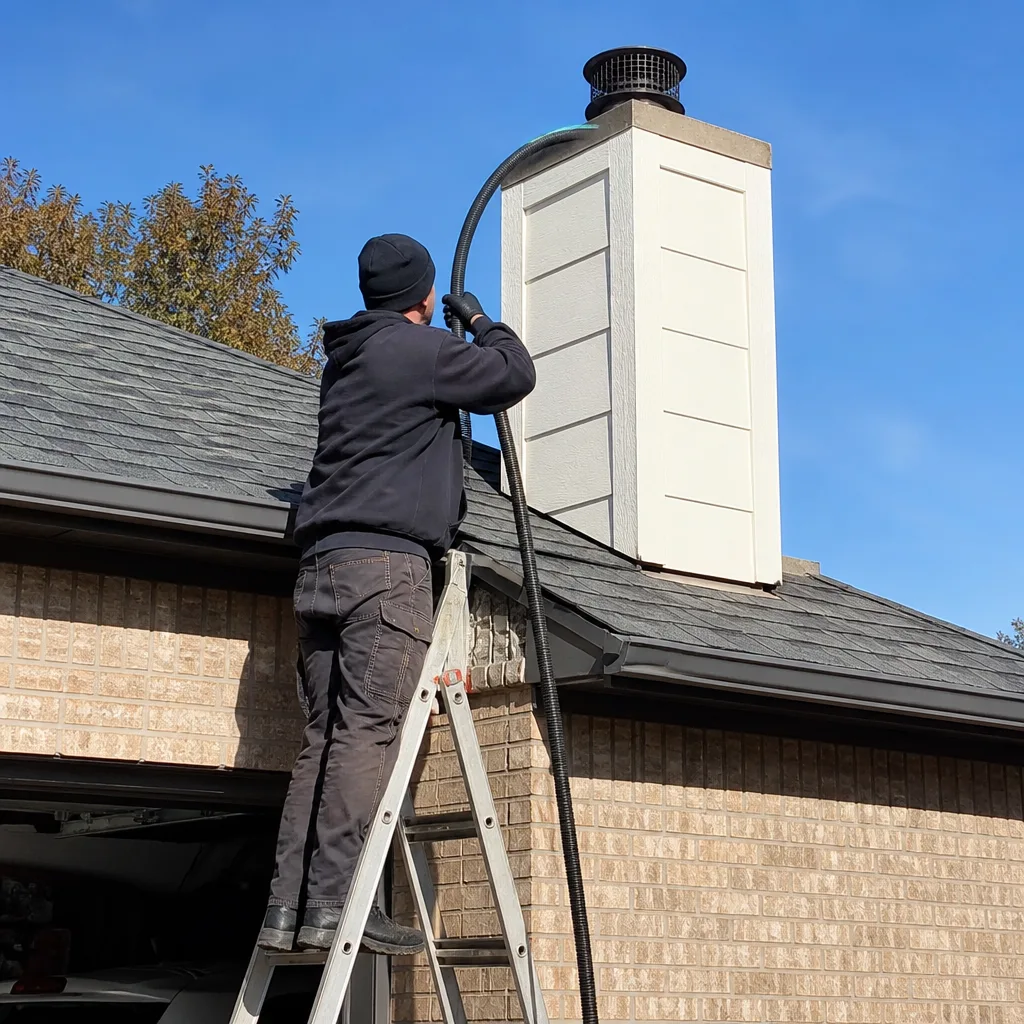 After
After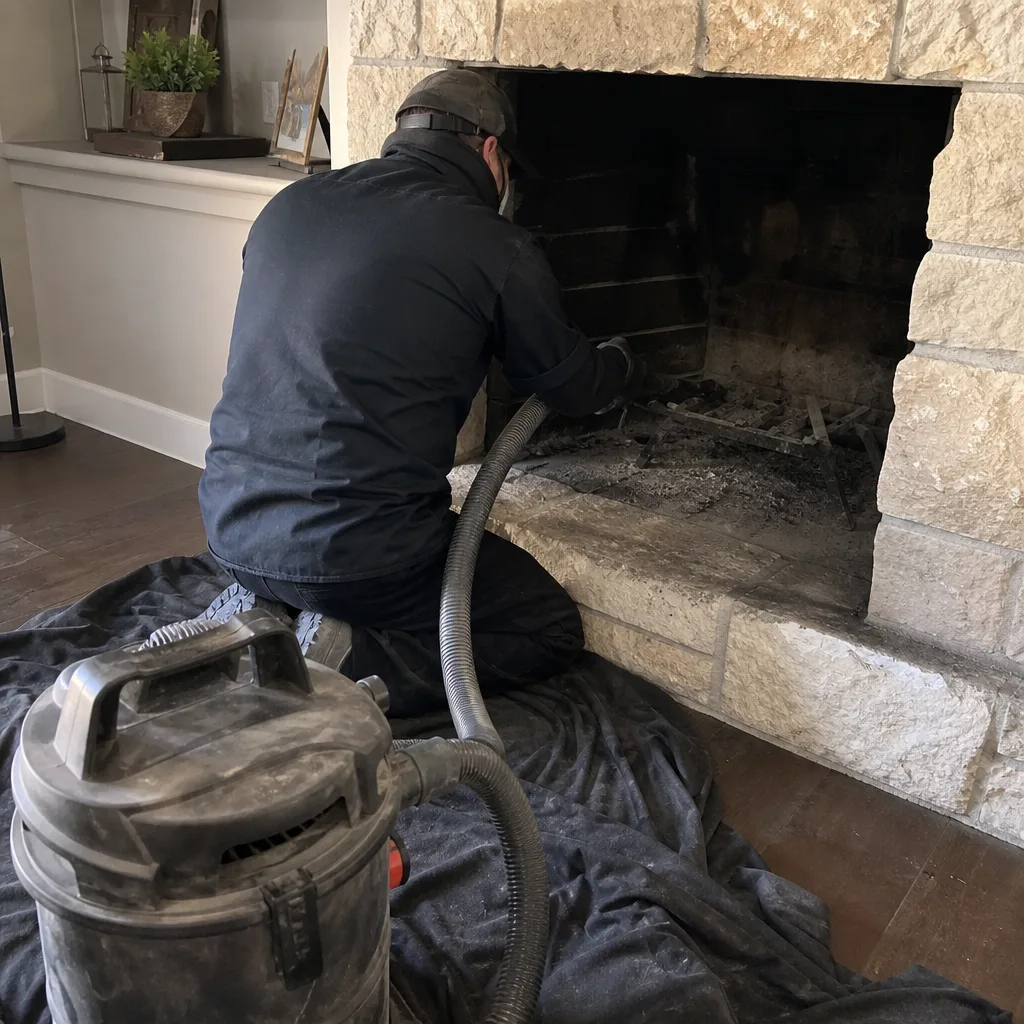 Before
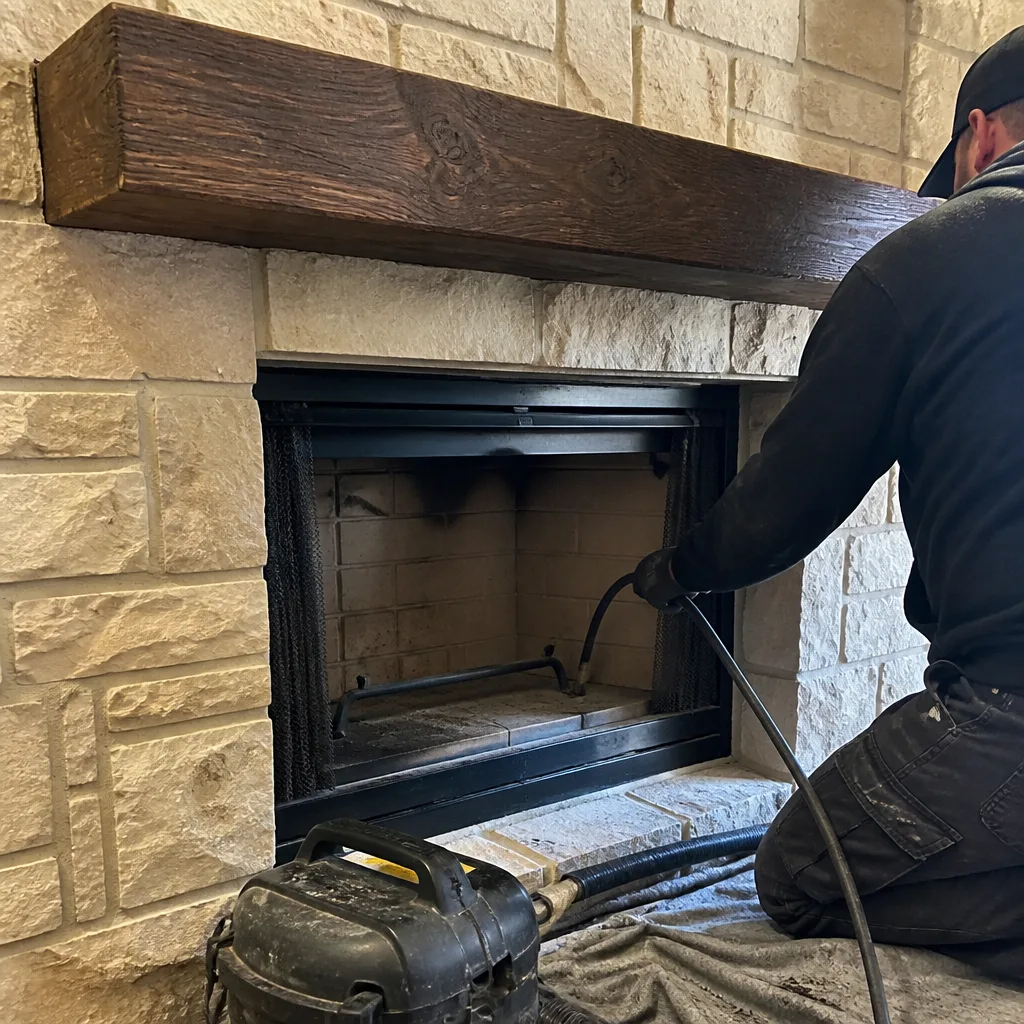 After
AfterChimney Cleaning Cost Breakdown: The Fort Worth Homeowner’s Reference for 2026
The $89 chimney sweep advertised on Nextdoor and the $285 sweep from a camera-inspection company are not the same service at different prices. They are two different services that happen to share a name. In Fort Worth’s market, where clay-tile flues from the 1970s and 1980s are common in neighborhoods like Wedgwood, Ridglea, and the Berkeley Place corridor, understanding what each price actually purchases is the only way to make a valid cost comparison. This guide breaks down the real cost structure of chimney cleaning in Fort Worth, shows what disappears at lower price tiers, and explains how to read a quote so you know what you’re paying for before anyone climbs your roof. For Chimney Cleaning & Sweep Maintenance Checklist for Fort Worth Homeowners, see our companion resource.
Quick Answer
A professional chimney cleaning in Fort Worth costs between $89 and $450 in 2026, depending on what’s included. A basic sweep with a rotary brush and no interior inspection sits at the low end. A Chimney Cleaning & Sweep in Fort Worth that includes an NFPA 211 Level 2 camera-scan inspection, written report, and documented photo record typically runs $250-$450. The difference is not markup. It’s whether you’re paying for debris removal alone or for a documented assessment of your flue’s condition.
Table of Contents
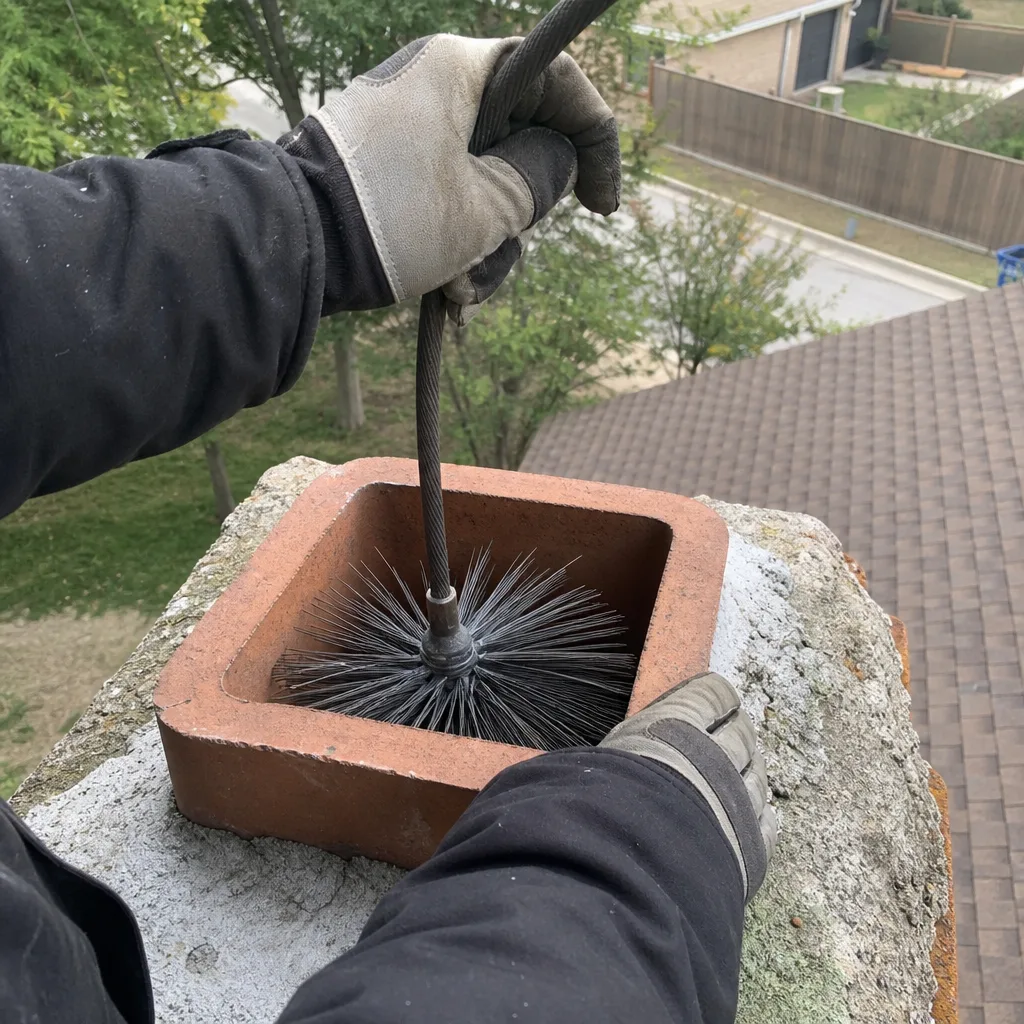
- What Fort Worth Chimney Cleaning Actually Costs in 2026
- The Three Price Tiers: What Each One Includes
- What Your Sweep Costs the Contractor (and Why It Matters)
- Common Repair Upsells During Fort Worth Sweeps
- How to Get a Written Quote Before Work Starts
- The Real Cost of Skipping Sweeps: Three Seasons of Deferred Maintenance
- Common Mistakes to Avoid
- When to Call a Professional
- Frequently Asked Questions
 Before
 After
AfterWhat Fort Worth Chimney Cleaning Actually Costs in 2026
Fort Worth homeowners paid an average of $175-$320 for chimney sweeping in 2025, based on our service records and local permit data. In 2026, we’re seeing that range hold steady, with two notable shifts: gas fireplace inspections are increasingly bundled into sweep pricing, and camera-based Level 2 inspections are becoming the expected standard for wood-burning systems, especially in older neighborhoods.
The market splits into three clear bands. Here’s what each costs and what it delivers:
| Price Range | What’s Included | What’s Missing | Best For |
|---|---|---|---|
| $89-$150 | Rotary brush sweep, basic debris removal, visual exterior check | Camera inspection, interior flue assessment, written report, photo documentation | Gas fireplaces with minimal use; supplemental cleaning between full inspections |
| $200-$300 | Full sweep, interior visual inspection with flashlight, basic condition notes | Camera scan, documented photo record, written warranty or scope | Annual maintenance on newer systems with known good condition |
| $300-$450 | NFPA 211 Level 2 camera inspection, rotary sweep, written scope and price before work, documented photo record, warranty documentation | Nothing - this is complete assessment plus cleaning | Wood-burning systems, pre-purchase inspections, homes 25+ years old, any system with unknown history |
Fort Worth’s specific conditions push more homes toward that top tier. Our clay soils create foundation movement that cracks chimney crowns. The freeze-thaw cycles of North Texas winters, mild as they are, accelerate spalling on brick faces. And the region’s occasional ice storms send water into hairline cracks that expand with each cycle. A flashlight inspection won’t catch crown micro-cracks or shifted flue tiles. Only a camera scan will.
We’ve swept chimneys in Fort Worth since 2009, and the pattern is consistent: homes in Mistletoe Heights, Ryan Place, and the Fairmount district, built between 1920 and 1960, almost always need Level 2 inspection because of aging clay flue tiles and historical repairs of varying quality. Newer construction in Walsh, Walsh Ranch, or parts of Alliance often gets by with less, but even there, we’ve found construction debris and improper clearances that a basic sweep would miss entirely.
The Three Price Tiers: What Each One Includes
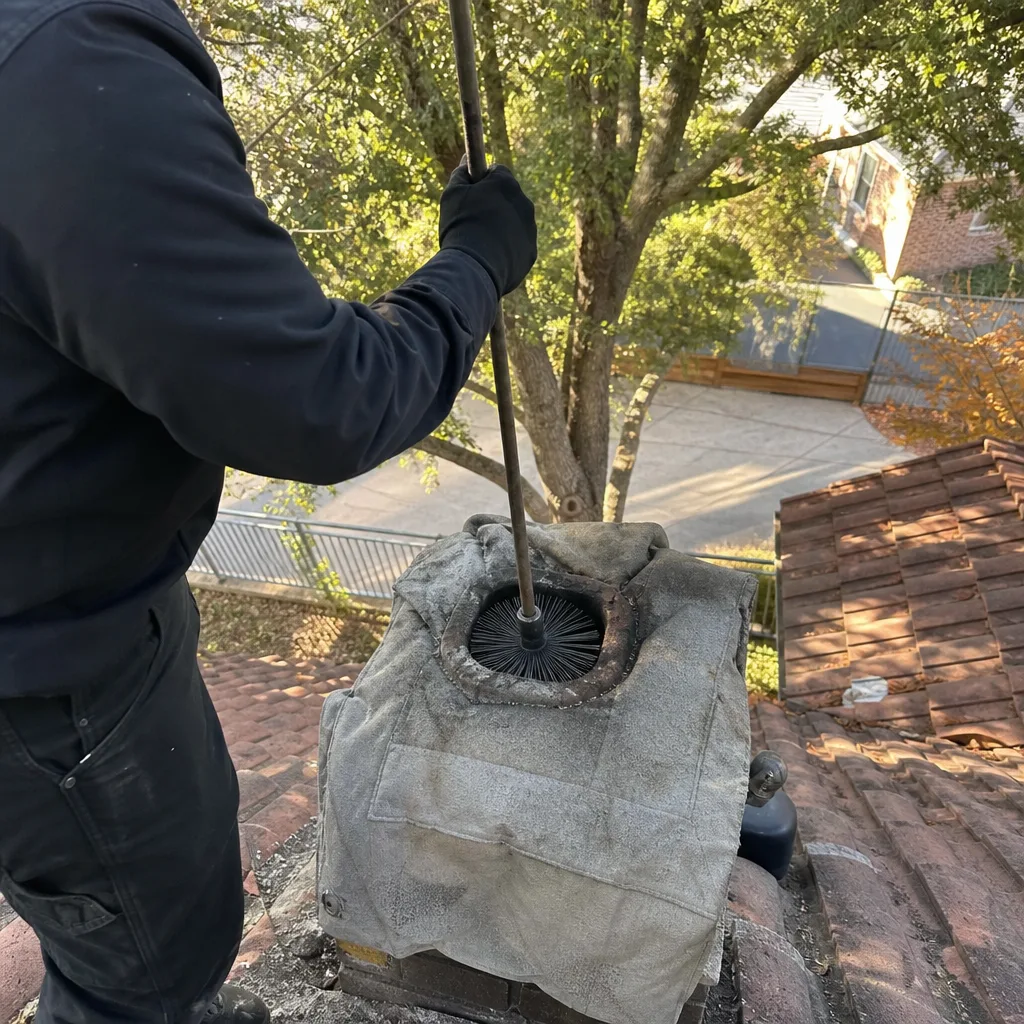
The gap between a $125 sweep and a $375 sweep is not profit padding. It’s equipment, labor time, documentation, and liability coverage. Here’s how each tier breaks down in practice.
The $89-$150 Tier: Debris Removal Only
This is a cleaning service, not an inspection service. The technician runs a rotary brush up the flue, vacuums loose soot and creosote, and may do a quick visual from the firebox or roof. What you get is a cleaner flue. What you don’t get is any documented knowledge of your chimney’s condition.
In Fort Worth, we’ve seen this tier advertised heavily on social media and coupon mailers, especially in suburban zip codes like 76137, 76179, and 76244. The business model depends on volume and upsell. The technician is incentivized to find something wrong, because that’s where the company makes its margin. Without a camera scan, those “findings” are unverifiable.
Specific limitations of this tier:
- No interior flue inspection - cracks, gaps, or missing mortar between flue tiles go unseen
- No smoke chamber assessment - the area above the firebox, where many Fort Worth chimneys show creosote buildup, is not examined
- No written report for insurance or real estate purposes
- No photo or video evidence of any claimed damage
- Typically 30-45 minutes on site
The $200-$300 Tier: Sweep Plus Basic Assessment
This tier adds an interior visual inspection, usually with a flashlight and mirror. The technician can spot obvious problems: major cracks, significant creosote buildup, water damage in the firebox. You may get verbal feedback or a simple checklist form.
The limitation is still documentation. A flashlight inspection of a 20-foot flue from below can miss offset tiles, internal cracks, or gaps at joints that only a camera reveals. In our Fort Worth records, roughly 40% of chimneys that passed a flashlight inspection showed defects on camera scan. The most common miss: cracked flue tiles at the second or third joint from the top, where thermal stress concentrates and where a flashlight beam from below simply doesn’t reach clearly.
This tier works for homeowners who had a full Level 2 inspection within the past 2-3 years and are confident in their system’s condition. For Chimney Cleaning Permits, Codes & Inspections in TX: What You Need to Know, check our regulatory overview. It’s not sufficient for a first inspection, a home purchase, or any system with unknown maintenance history.
The $300-$450 Tier: NFPA 211 Level 2 Camera Inspection Plus Sweep
This is the complete service. Under NFPA 211, a Level 2 inspection requires examination of all accessible portions of the chimney interior and exterior, including camera documentation of the flue liner from top to bottom. At Level Two Chimney Fort Worth home, this has been our default since 2009 - years before insurers or real estate transactions commonly requested it.
What this tier includes that the others don’t:
- Camera scan of the entire flue length. We use a self-leveling camera system that records 1080p video of every flue tile joint, every mortar bed, every transition. The footage is archived and provided to the homeowner.
- Smoke chamber and firebox inspection. The smoke chamber - the area that funnels smoke from the firebox into the flue - is examined for proper parging (smooth mortar surface) and clearance to combustibles. Many Fort Worth homes built before 1980 have unparge smoke chambers that create turbulence and creosote accumulation.
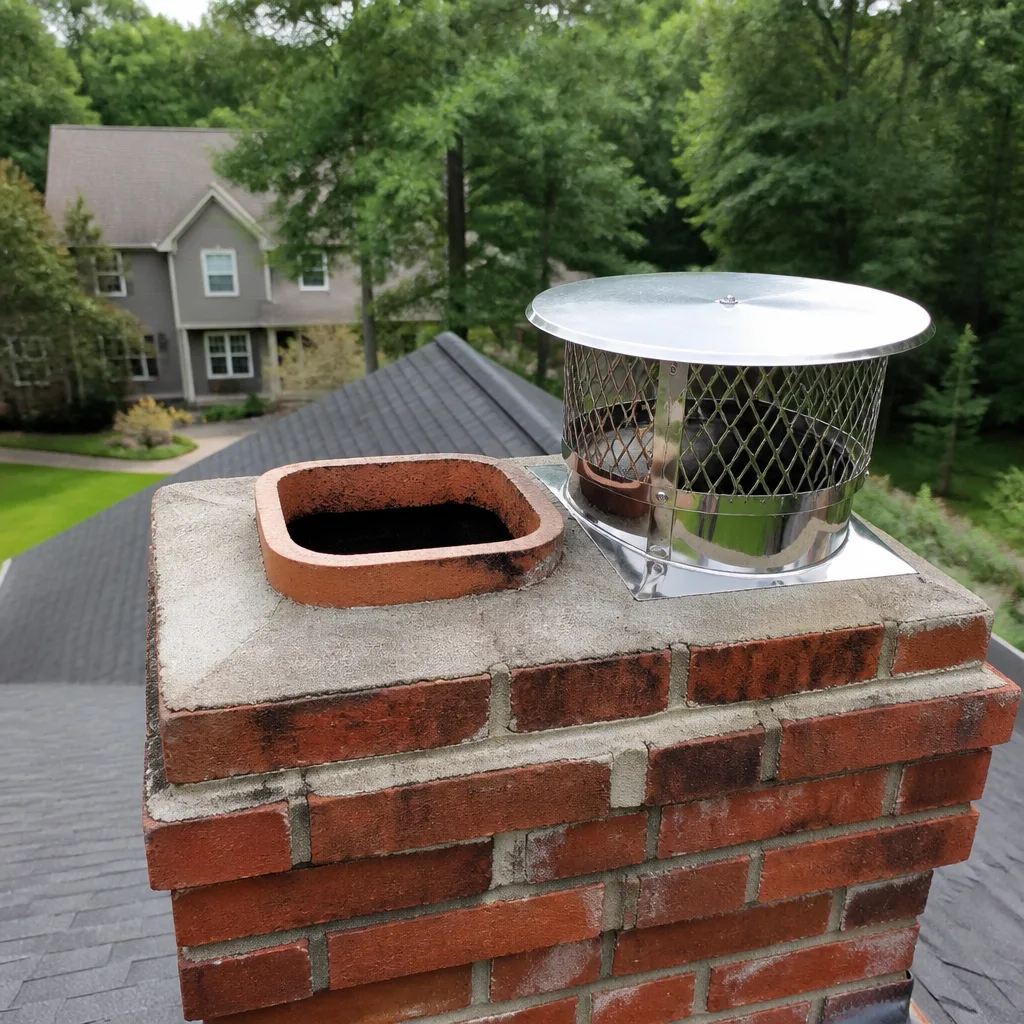
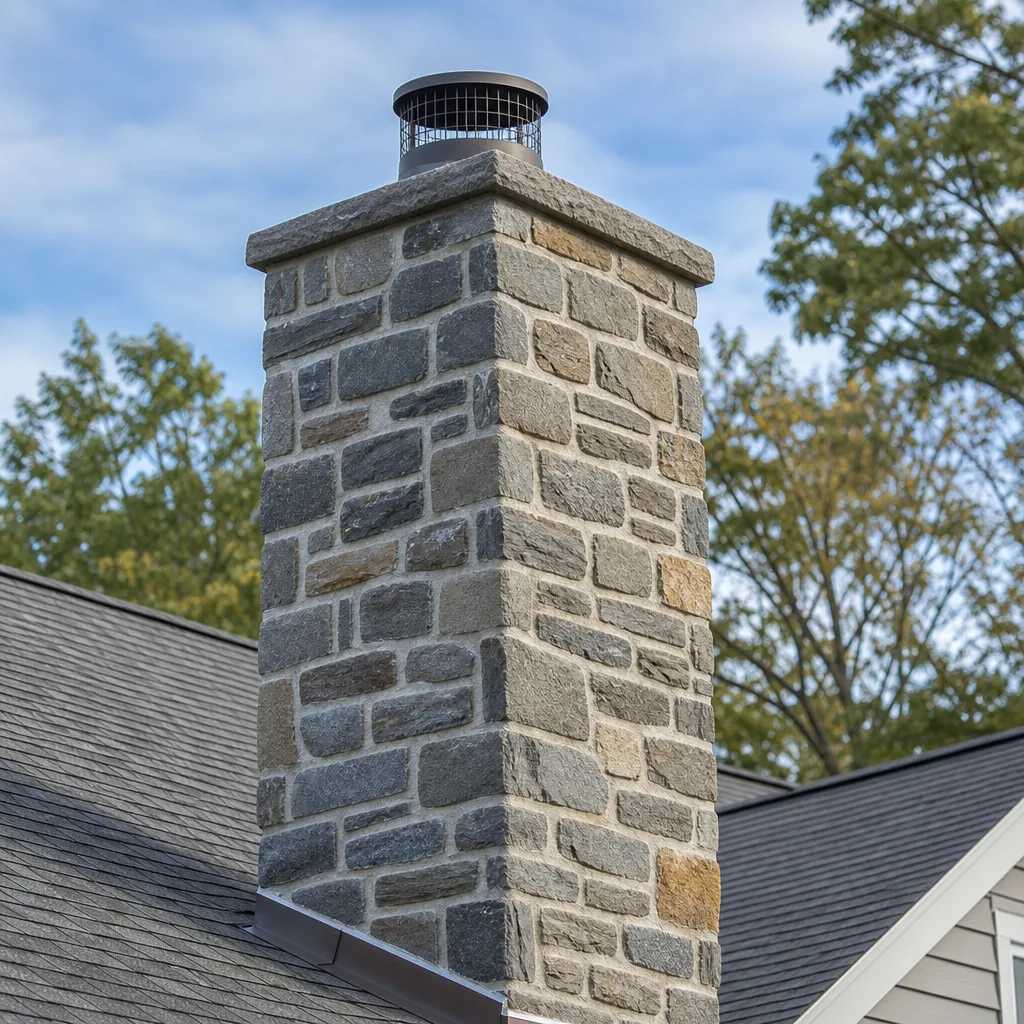
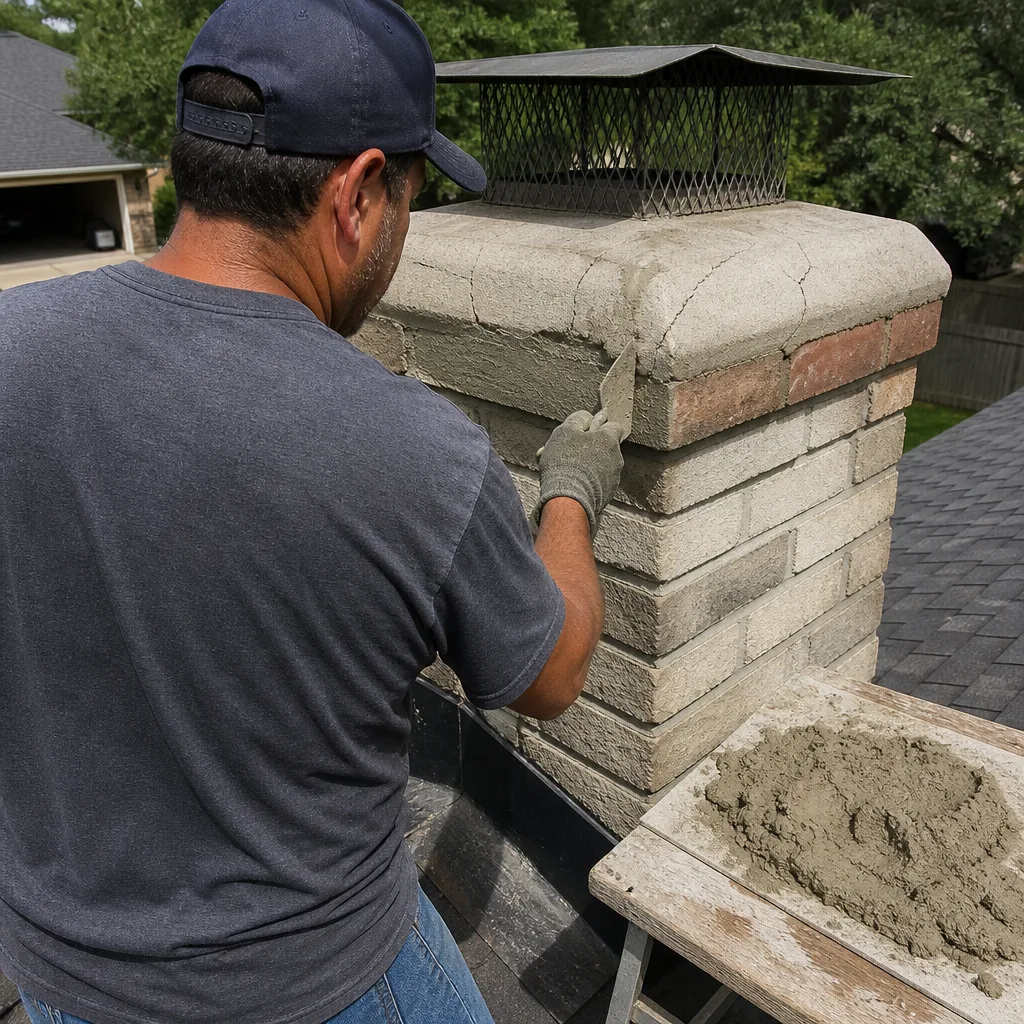
- Crown, cap, and exterior assessment. Crown integrity, cap condition, flashing, and brick/mortar condition are documented with photos.
- Written scope and written price before any work begins. This is Haven Standard Clause 1: “Have it in writing.” The homeowner sees exactly what is recommended, why, and what it costs, before anyone picks up a tool beyond the inspection equipment.
- Documented photo record on completion. Haven Standard Clause 4 requires this archive. Every customer receives photos and/or video of findings, plus documentation of completed work.
- 365-Day Done Right Promise. If anything we do needs correction, we make it right without additional charge.
The time investment reflects the thoroughness: 90 minutes to 2.5 hours on site, depending on system complexity and findings.
What Your Sweep Costs the Contractor (and Why It Matters)
Understanding contractor costs explains why price tiers exist and why a legitimate business cannot sustainably offer a $89 Level 2 inspection.
Here’s our approximate cost structure for a standard Fort Worth chimney sweep and inspection:
| Cost Item | Basic Sweep ($89-$150 tier) | Level 2 Inspection + Sweep ($300-$450 tier) |
|---|---|---|
| Labor (tech time on site, including drive) | $35-$50 | $85-$120 |
| Equipment (rotary brush, rods, vacuum, camera system depreciation) | $15-$25 | $45-$65 |
| Documentation (software, storage, report generation) | $0-$5 | $15-$25 |
| Insurance and bonding (general liability, workers comp) | $10-$15 | $15-$20 |
| Vehicle/fuel (Fort Worth metro coverage area) | $12-$18 | $12-$18 |
| License and permit compliance | $5-$8 | $5-$8 |
| Total direct cost | $77-$121 | $177-$276 |
At $89, a basic sweep leaves almost no margin for warranty work, callback resolution, or equipment replacement. The business model requires either unsustainable volume, undisclosed upselling, or corner-cutting on insurance and licensing. We’ve seen all three in Fort Worth’s market.
The camera system alone represents a significant capital investment. Our primary inspection camera, replaced in 2023, cost approximately $8,500 with the self-leveling head and 100 feet of cable. It requires annual calibration and periodic repair. That cost is distributed across inspections, which is why it appears in the Level 2 tier but not the basic sweep.
Fort Worth’s geography adds a real cost factor. Covering a metro that stretches from Saginaw to Burleson and from White Settlement to Forest Hill means drive time between jobs. A technician can complete three basic sweeps in a day, or two Level 2 inspections with proper documentation. The revenue per day is comparable; the difference is what the homeowner receives.
Common Repair Upsells During Fort Worth Sweeps
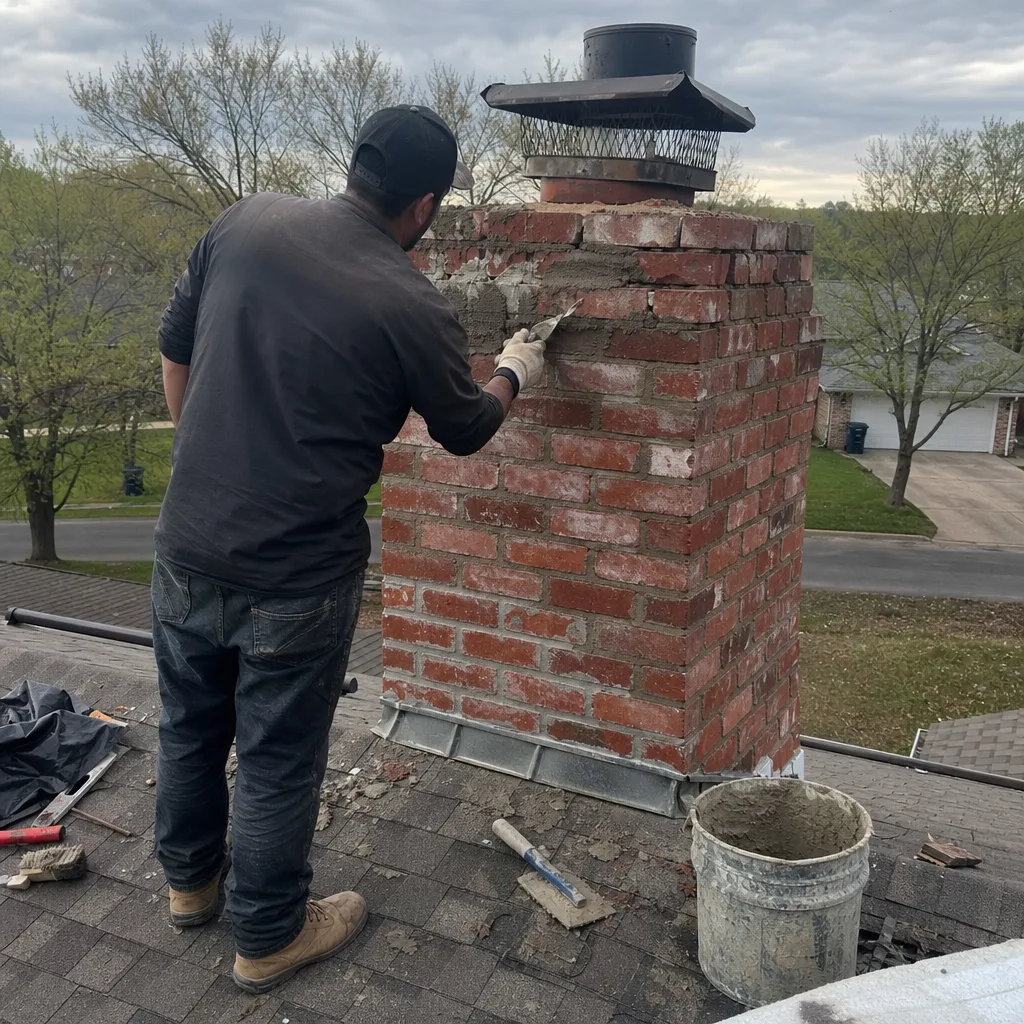
Any legitimate inspection will sometimes find problems. The issue is how they’re presented, priced, and verified. Here’s what we encounter most often in Fort Worth homes, with reasonable price ranges and the questions to ask before approving work.
Chimney Cap Replacement ($180-$450)
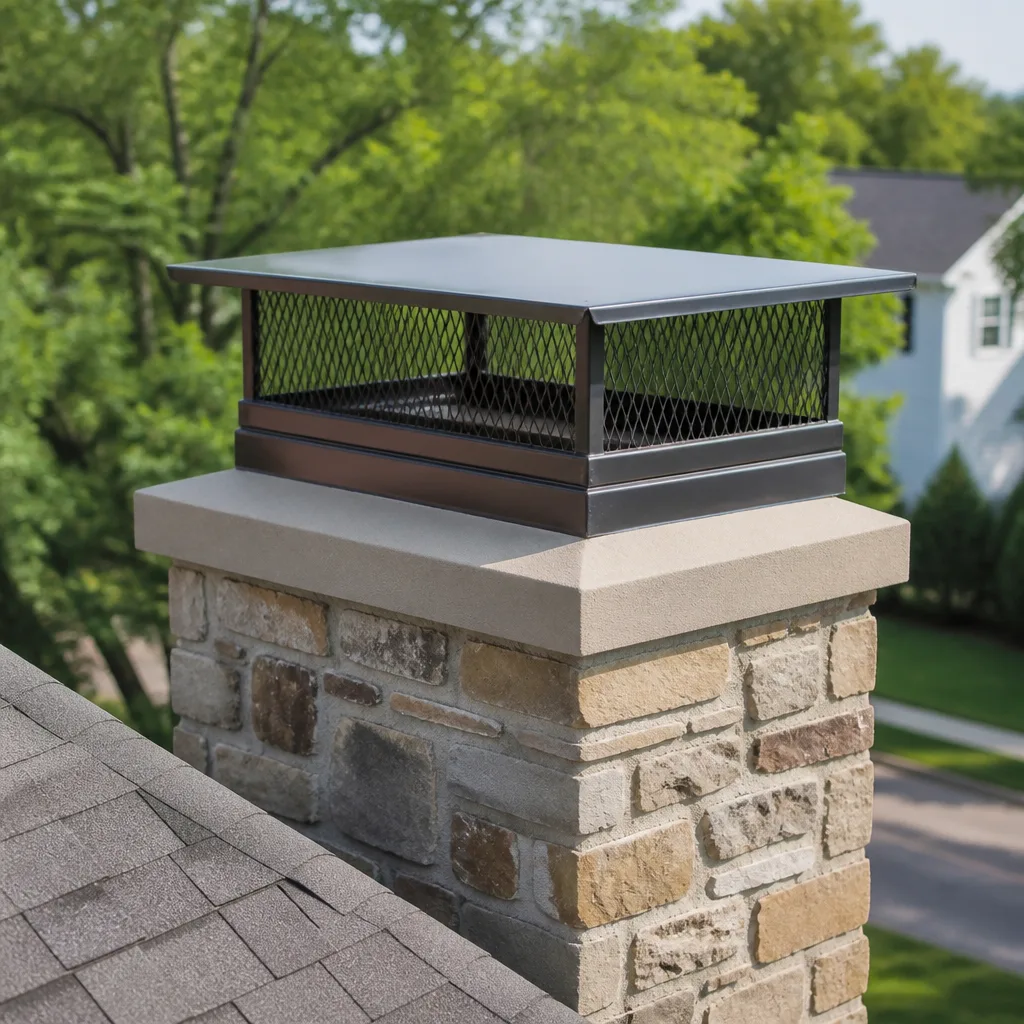
Galvanized steel caps rust through in 5-8 years in Fort Worth’s climate, especially with our occasional hail and UV exposure. Stainless steel or copper caps last decades but cost more. A proper cap installation includes measuring the flue tile or crown, selecting correct mesh size to prevent animal entry while allowing smoke evacuation, and securing with proper fasteners.
Ask before approving: Is the cap custom-fitted or a universal size? Will it cover all flues on a multi-opening chimney? What material, and what’s the warranty? We source caps through Olympia Chimney and Famco, with material specifications documented in our written scope.
Crown Repair or Rebuild ($350-$1,200)
The concrete crown at the top of your chimney sheds water away from the flue. Cracks allow water penetration that destroys flue tiles from the outside and rots roof framing. Minor cracks can be sealed with crown coat material. Severe deterioration requires removing the old crown and pouring new concrete with proper overhang and drip edge.
In Fort Worth, crown damage is often worse than it appears from the ground. Thermal expansion from our 100°F summer days to sub-freezing winter nights stresses the concrete. We’ve rebuilt crowns in Rivercrest, Overton Park, and Arlington Heights where the surface looked sound but the interior was saturated and crumbling.
Ask before approving: Is the repair a surface sealant or full rebuild? Will the crown have a proper drip edge to shed water clear of the brick face? What material - standard mortar mix or specialized crown compound?
Flue Liner Repair or Relining ($1,800-$4,500)
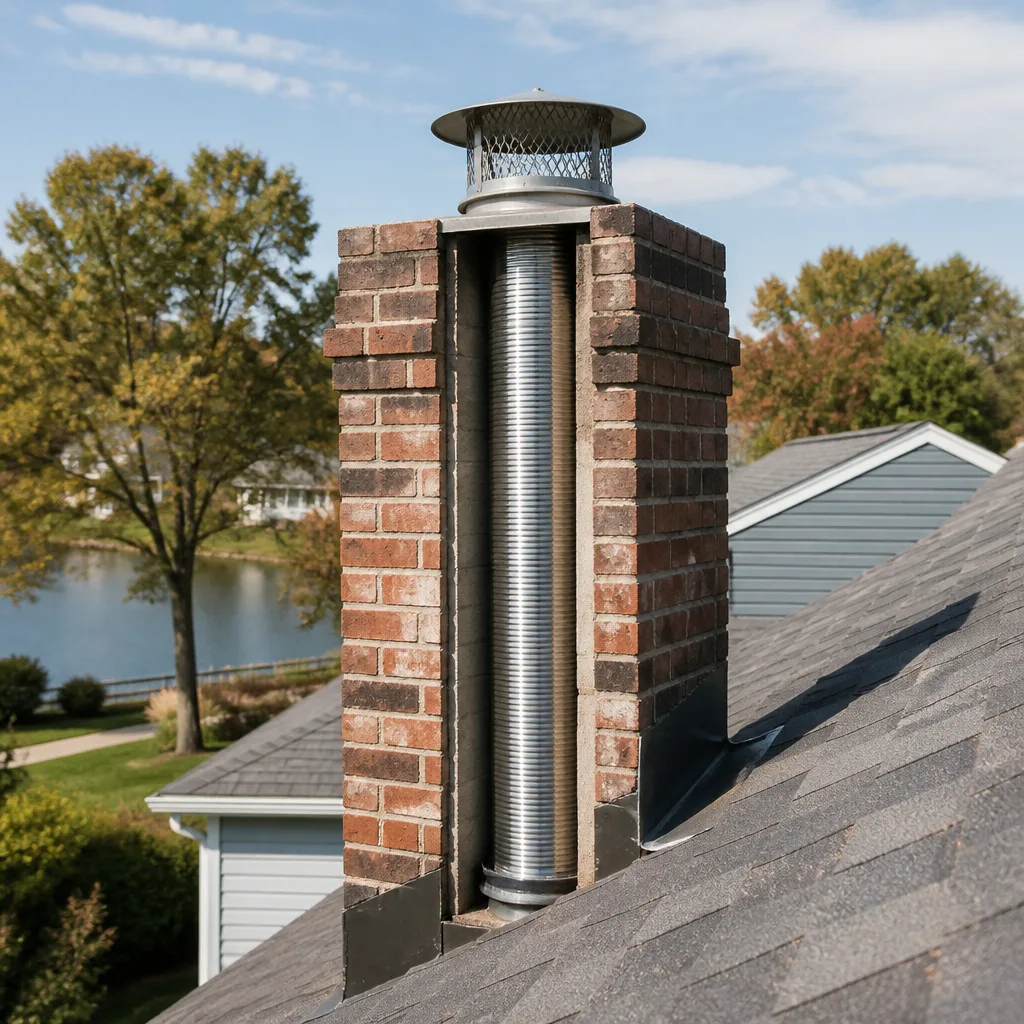
This is the largest-ticket item and the one most subject to scare tactics. Clay flue tiles crack from thermal shock, foundation settling, or chimney fires. A cracked liner allows heat and combustion gases to reach combustible framing - a genuine safety issue. But not every crack requires immediate relining.
At Level Two Chimney Fort Worth, we classify liner conditions based on NFPA 211 criteria and camera evidence:
- Hairline cracks with no offset: Monitor annually, may not require immediate action if no other deterioration
- Cracks with visible gap or tile displacement: Repair or reline recommended, with timeline based on use frequency
- Missing tiles, significant gaps, or spalled interior surface: Relining required before next use
We use HeatShield for certain liner resurfacing applications and DuraFlex stainless steel liners for full relining. The choice depends on flue dimensions, appliance type, and extent of damage. Materials are sourced through our Haven buying network to keep pricing transparent.
Ask before approving: Show me the camera footage of the damage. Is this a repair or full relining? What material, and what’s the warranty? Can this wait until next season if we limit fireplace use?
Smoke Chamber Parging ($800-$1,600)
The smoke chamber should be smooth to guide smoke into the flue. Many older Fort Worth homes have corbeled brick smoke chambers with rough surfaces that trap creosote and create turbulence. ChamberTech or similar refractory parging smooths the surface and improves draft.
This is rarely an emergency. It’s a performance and safety improvement that can be scheduled with other work.
Waterproofing ($400-$900)
Brick chimneys absorb water, especially soft brick common in pre-1960 Fort Worth construction. Breathable masonry sealant reduces water penetration while allowing vapor escape. This is preventive maintenance, not repair, and should be done after any crown or mortar work is complete.
Key principle: No repair should be approved without seeing the camera evidence that justifies it. If a technician claims liner damage but won’t or can’t show you the footage, that is sufficient reason to decline and seek a second opinion. Our Free Second Opinion on Any Written Estimate exists specifically for this situation.
How to Get a Written Quote Before Work Starts
The exact language you use matters. Vague requests get vague responses. Here’s what to say, and what to do if a contractor deflects.
Step-by-Step: Requesting a Written Quote
- Initial call or form: “I want a chimney sweep with a written price before any work begins. Do you provide that?”
- If yes: “Does that price include a camera inspection of the full flue, a written report, and photo documentation?”
- If no to camera inspection: “What is the additional cost for a Level 2 camera inspection, and will I receive the footage?”
- If additional cost is quoted: “What is the total price for sweep plus Level 2 inspection, with all documentation, before any repair work?”
- Before scheduling: “Will the technician have authority to change that price once on site, or is this binding?”
- On arrival: “Please confirm the written price before beginning any work, including inspection.”
Red Flags: When a Contractor Won’t Commit
These responses indicate a business model built on upselling, not transparent pricing:
- “We can’t quote until we see it” - for a standard sweep and inspection, this is false. The scope is known; only repairs are variable.
- “The technician will explain pricing on site” - this transfers pressure to the homeowner at the moment of service.
- “We include a ‘free’ inspection with the sweep” - often means a brief visual used to sell repairs, not a documented assessment.
- “Everyone’s chimney is different” - true for repairs, not for the inspection process itself.
At Level Two Chimney Fort Worth, Haven Standard Clause 1 requires a written price, written scope, and written warranty before any work starts. This is not a courtesy; it’s the foundation of the transaction. If a contractor cannot or will not do this, the appropriate response is to end the conversation and contact one who will.
The Real Cost of Skipping Sweeps: Three Seasons of Deferred Maintenance
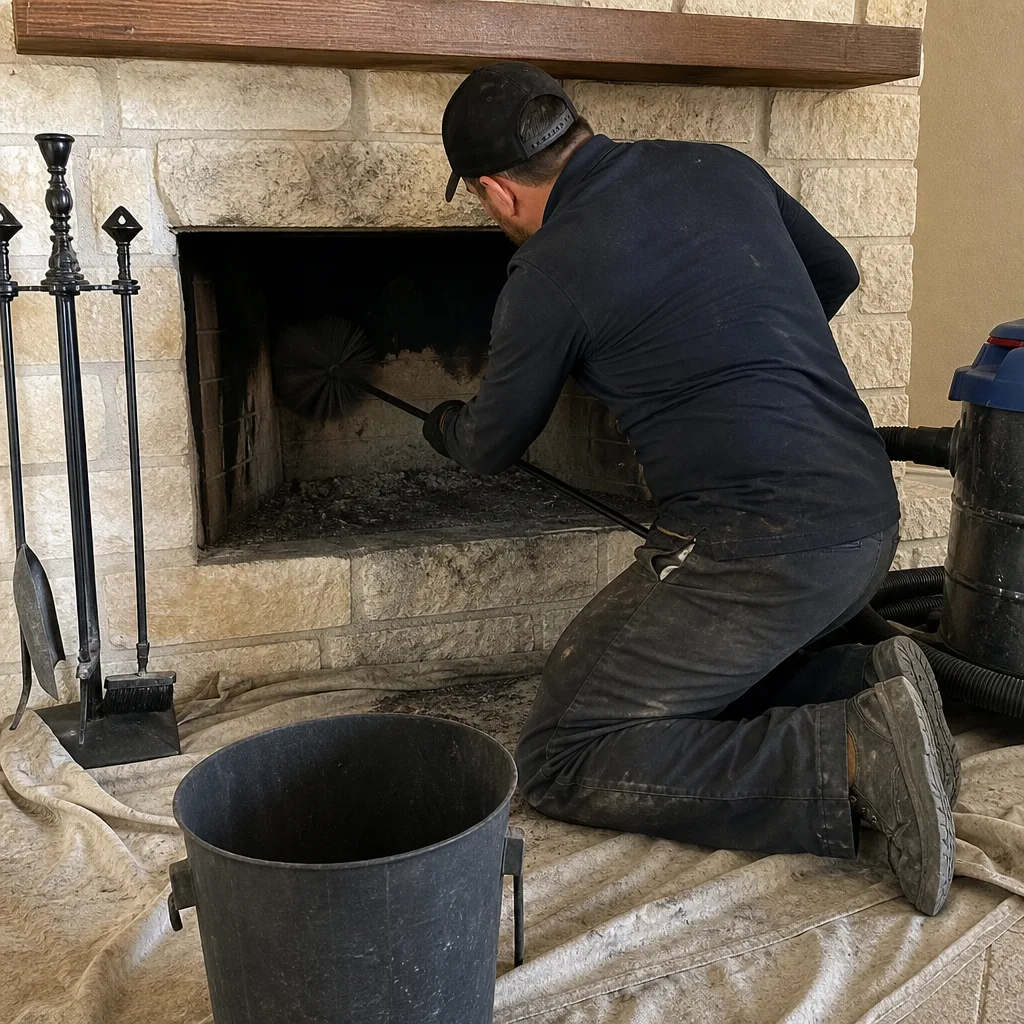
The cheapest chimney maintenance is regular maintenance. The most expensive is deferred maintenance that becomes structural repair. Here’s the documented math from our Fort Worth records, and browse our more guides & resources for year-round chimney care.
Scenario A: Annual Level 2 Inspection and Sweep
Homeowner in Berkeley Place, annual wood-burning use (October-March), schedules Level 2 inspection each September.
- Year 1: $325 sweep and inspection - minor creosote (Class I), no repairs
- Year 2: $325 sweep and inspection - light creosote, crown hairline crack noted, $180 crown seal applied
- Year 3: $325 sweep and inspection - system stable, no additional work
- Three-year total: $1,155
Scenario B: Deferred Maintenance, Reactive Repair
Comparable home, comparable use, no inspection for three years.
- Year 1: No service - creosote accumulates to Class III (glazed, hard deposit)
- Year 2: No service - minor crown crack enlarges, water enters, freeze-thaw cycle begins spalling brick face
- Year 3: Chimney fire scare or visible exterior damage prompts call - Class III creosote requires chemical treatment plus mechanical removal ($650-$900), crown rebuild required ($950), brick spalling repair ($1,400-$2,200), possible liner damage from thermal shock of chimney fire ($2,800-$4,200 if relining needed)
- Three-year total: $5,300-$8,250 (plus risk of actual fire or CO exposure)
The difference is not hypothetical. In 2024, we serviced a home in Ridglea where the homeowner had skipped three seasons of maintenance. The Class III creosote required two days of chemical treatment and rotary chain removal. The crown was destroyed. Water had saturated the smoke chamber, and the flue tiles showed thermal cracking consistent with a small chimney fire the owner hadn’t recognized. Total invoice: $6,840. The annual inspection cost over those three years would have been approximately $975.
Fort Worth’s climate contributes to this risk pattern. Our temperature swings - 70°F days in January, overnight freezes - create thermal stress on masonry. Our clay soils cause differential settling that cracks crowns and separates flue tiles. These are slow processes that camera inspection catches early, when intervention is minor.
The other cost of deferred maintenance is non-financial: carbon monoxide exposure from cracked liners, or chimney fires that damage the structure and endanger occupants. These are not abstract risks. In Tarrant County, fire departments respond to approximately 40-60 chimney or fireplace-related incidents annually, many in homes with no recent inspection record.
Common Mistakes to Avoid
- Comparing prices without comparing scopes. A $125 sweep and a $375 sweep are different services. Verify what’s included before comparing dollar amounts.
- Accepting verbal repair recommendations without photo evidence. Any claim of liner damage, crown failure, or masonry deterioration should be accompanied by dated, labeled photos or video you can review yourself.
- Scheduling based on coupon urgency. “Fall special” pricing that expires in 48 hours is pressure selling, not service. Legitimate chimney maintenance has a seasonal rhythm, but not an emergency timeline.
- Assuming gas fireplaces don’t need inspection. Gas systems require different inspection focus - venting integrity, burner condition, moisture in the flue - but they do require it. Corrosion in gas flues is common in Fort Worth’s humid summers.
- Ignoring neighborhood-specific risks. Homes in flood-prone areas like parts of Stop Six or near the Trinity River may have water damage patterns that differ from hilltop construction in Monticello. Local experience matters in interpretation.
- Failing to verify licensing and insurance. Texas does not require a specific chimney sweep license, but legitimate contractors carry general liability and workers compensation insurance. Ask for certificate of insurance; hesitation is a red flag.
- Approving same-day major repairs. Crown seals or cap replacements can reasonably be done immediately. Liner relining, masonry rebuilds, or extensive smoke chamber work deserves a second opinion and time to consider. Any contractor who pressures for immediate approval of large work is serving their schedule, not your interest.
When to Call a Professional
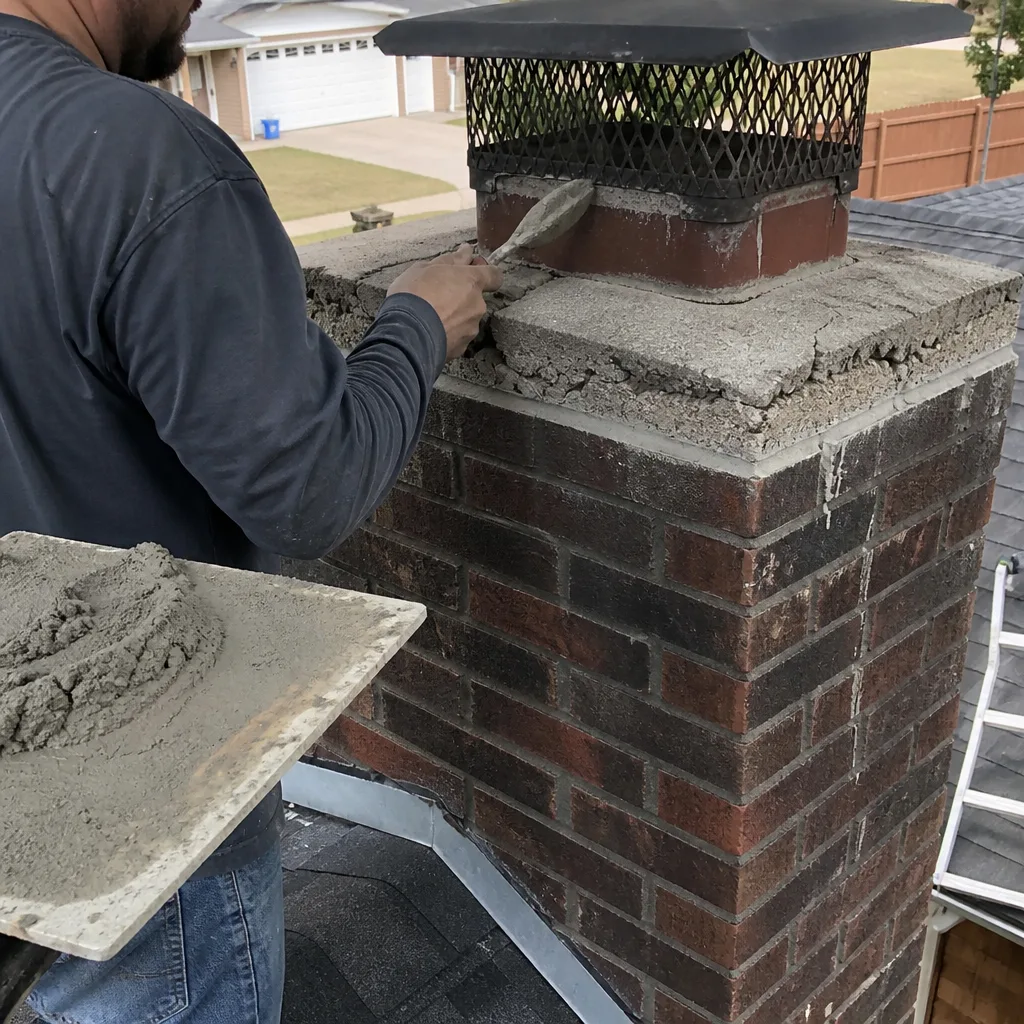
Call for inspection before the burning season begins - ideally September or early October in Fort Worth, before the first cold snap creates appointment backlogs. Also call promptly if you notice: smoke entering the room during fireplace use, visible creosote flakes in the firebox, a strong tar odor when the fireplace is not in use, water stains on ceiling drywall near the chimney, or white efflorescence staining on exterior brick (indicating water saturation).
If you’ve purchased a home with no chimney maintenance records, schedule a Level 2 inspection before first use regardless of apparent condition. Previous owners’ habits are unknown, and hidden defects are common.
Chimney Repair in Fort Worth should be handled by technicians who document their findings and provide written scope before work. Level Two Chimney Fort Worth offers free estimates in Fort Worth - call (682) 499-2712. Every estimate includes the same camera inspection and documentation as our paid services, because you cannot price what you haven’t seen.
Frequently Asked Questions
A basic chimney sweep in Fort Worth costs $89-$150, while a complete sweep with NFPA 211 Level 2 camera inspection, written report, and photo documentation runs $300-$450. The price difference reflects what’s included, not markup. Call (682) 499-2712 for a written estimate - estimates are free.
You need a new liner only if camera inspection shows cracks with offset or gap, missing tiles, or significant deterioration that allows heat or combustion gases to reach combustible framing. Hairline cracks without displacement can often be monitored annually. We show you the footage and explain the NFPA 211 criteria we apply, so you can make an informed decision. Call (682) 499-2712 for a Free Second Opinion on any written estimate recommending liner work.
NFPA 211 recommends annual inspection for all chimney systems, with cleaning frequency based on use and fuel type. Wood-burning systems used regularly need annual sweep. Occasional use may extend to every two years if inspection shows minimal creosote. Gas systems need annual inspection for venting integrity and corrosion, though cleaning is typically lighter. Fort Worth’s freeze-thaw cycles and clay soils make annual inspection particularly valuable for masonry chimneys. Call (682) 499-2712 to schedule.
Skipped cleaning allows creosote to accumulate from Class I (soot, easily removed) to Class III (glazed, hard, flammable deposit). Class III creosote requires chemical treatment and mechanical removal costing 2-3 times standard sweep rates. Deferred inspection also misses crown cracks, liner damage, and water intrusion that become major repairs. In Fort Worth records, three seasons of deferred maintenance typically costs $5,300-$8,250 in corrective work versus approximately $975 in preventive care. Call (682) 499-2712 to break that cycle.
A Level 2 inspection includes examination of all accessible interior and exterior chimney portions, camera scan of the full flue length, smoke chamber and firebox assessment, crown/cap/flashing evaluation, and written documentation of findings with photo or video record. It is required for home purchases, new appliance installations, or after chimney fires or seismic events. At Level Two Chimney Fort Worth, this has been our standard on every visit since 2009, documented under Haven Standard Clause 4.
Homeowners can remove light soot from a firebox or run a basic brush up a straight, short flue. However, proper assessment of flue liner condition, crown integrity, and clearance to combustibles requires training, equipment, and camera systems that are not cost-effective for single-home use. More critically, Fort Worth’s older homes often have offset flue tiles, damaged liners, or improper construction that DIY cleaning will not detect and may aggravate. For safety-critical systems, professional inspection is the prudent choice. Call (682) 499-2712 for a written estimate.
The Bottom Line
Chimney cleaning in Fort Worth costs what it costs because of what’s included: labor time, equipment, documentation, and the liability of standing behind the work. The $89 sweep and the $375 sweep are different services with different outcomes. The only wrong choice is making a price comparison without understanding the scope comparison.
For wood-burning homes in Fort Worth, especially those 25 years or older, the camera-based Level 2 inspection is not an add-on luxury. It’s the minimum standard for knowing your chimney’s condition. The documented photo record, written scope, and written warranty before work starts are what transform a transaction into a trustworthy service relationship.
We’ve completed more than 38,000 chimney inspections and cleanings since 2009, every one with a written price before work started and a documented record when done. That practice became Haven Standard Clause 4, and it’s still our standard on every Fort Worth job we perform.
Call (682) 499-2712 for a free estimate. We’ll show you what we find, explain what it means, and give you a written price before any work begins. No surprises, no pressure, no exceptions.
Written by Corrine Halstead, Owner at Level Two Chimney Fort Worth, serving Fort Worth since 2009.