
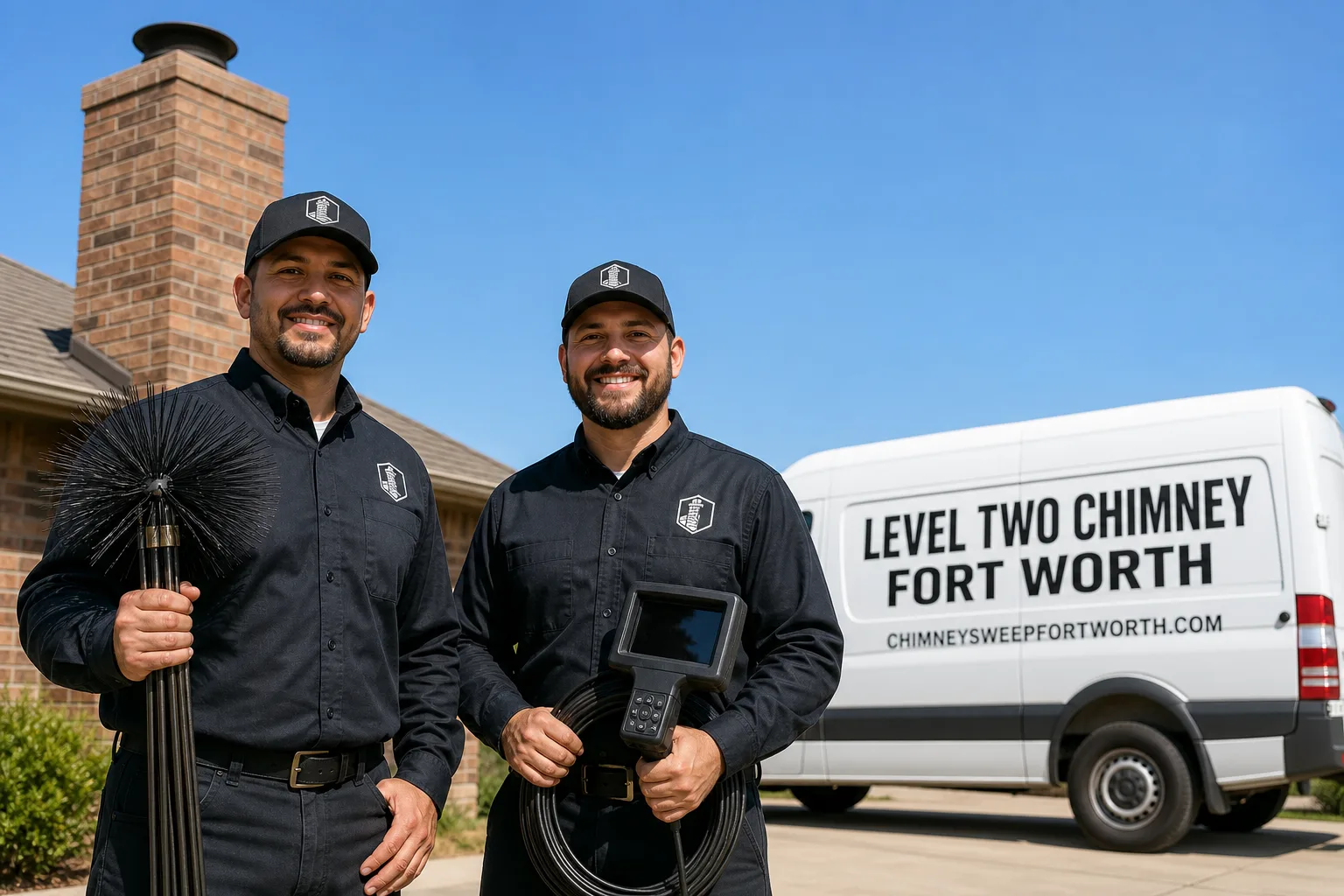
Level 1 sweep and inspection to the NFPA 211 annual standard - flue, crown, cap, and flashing checked and photographed
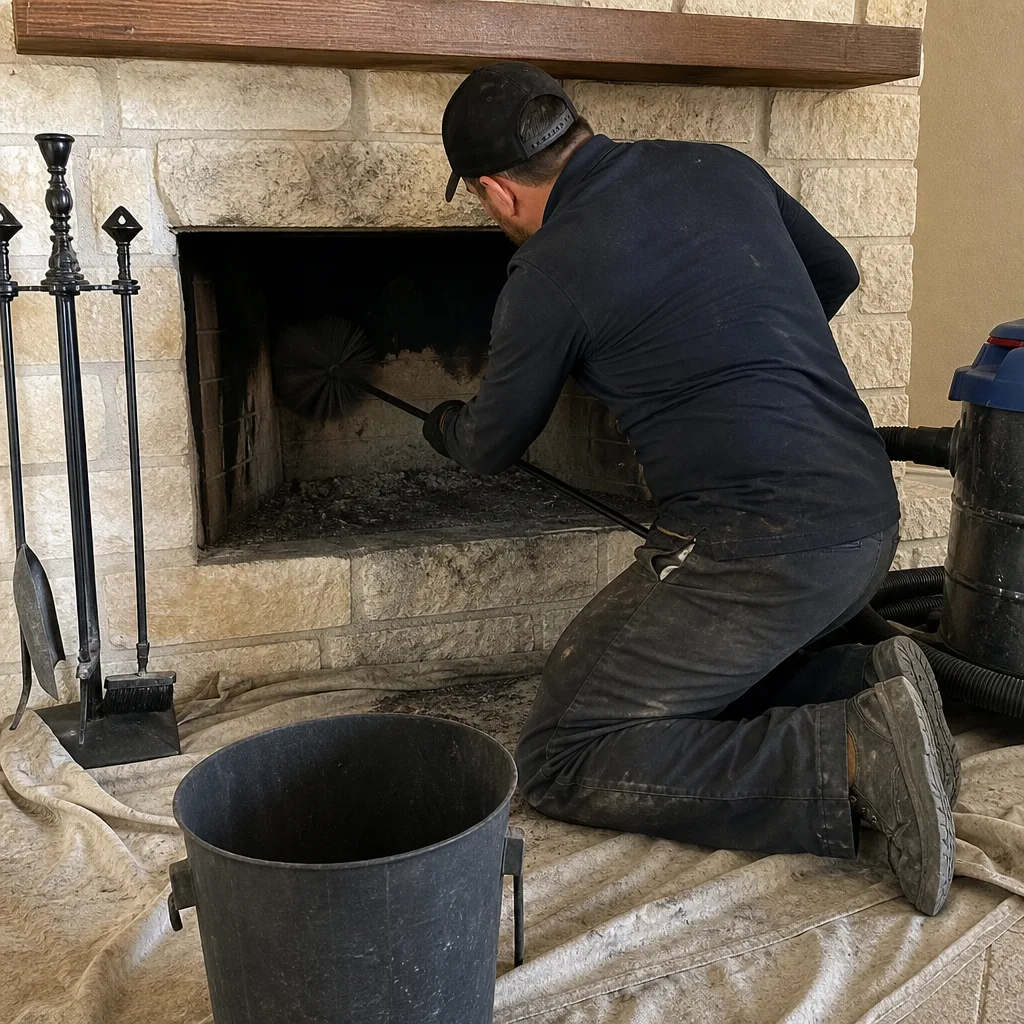
Chimney sweep logs do not sweep chimneys. They loosen some creosote - which then falls where a brush and vacuum still have to collect it.
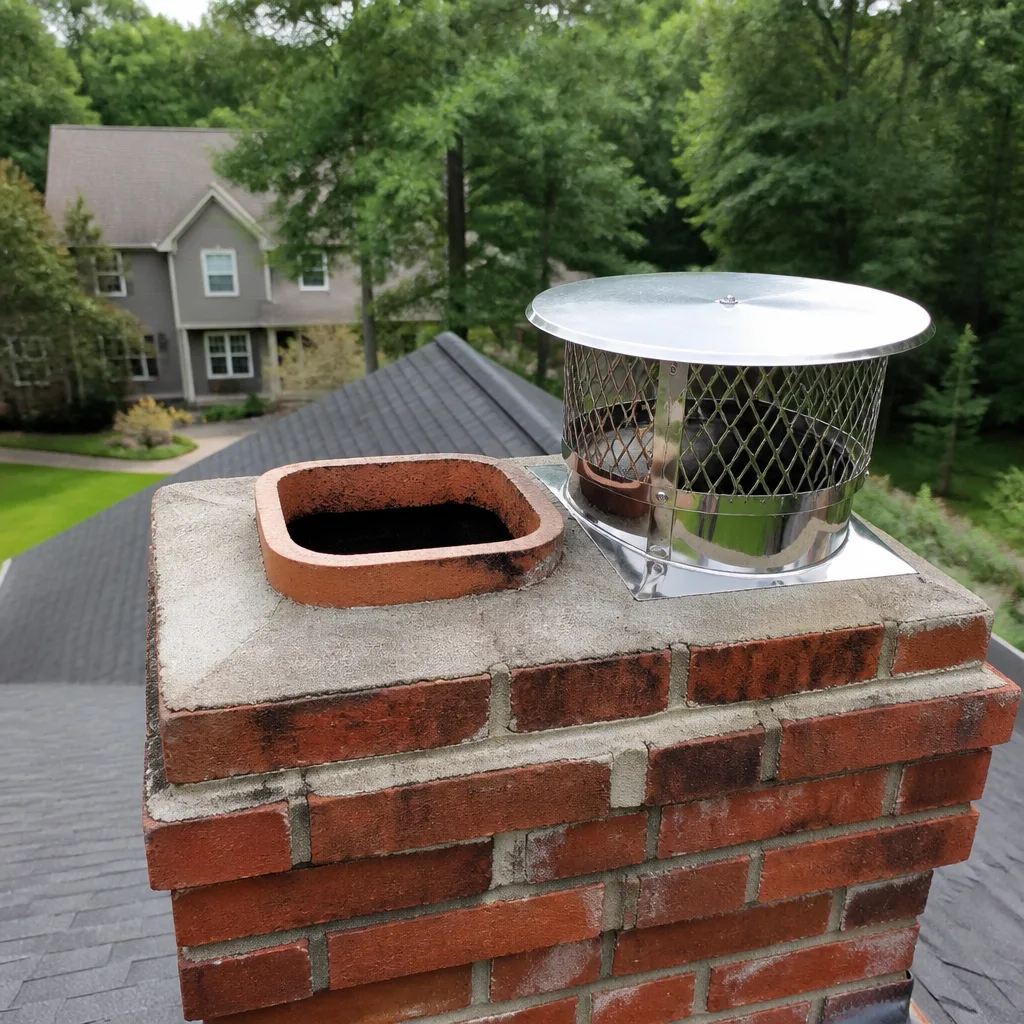
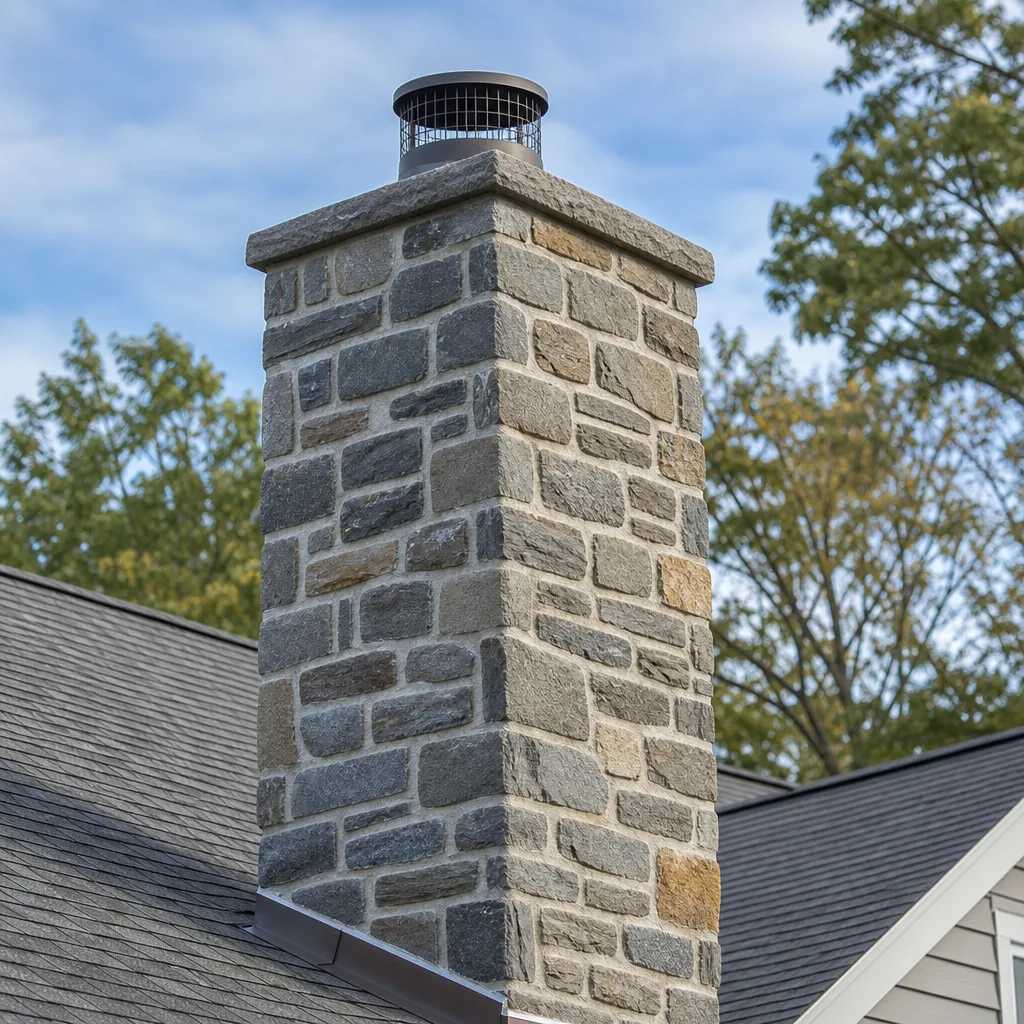
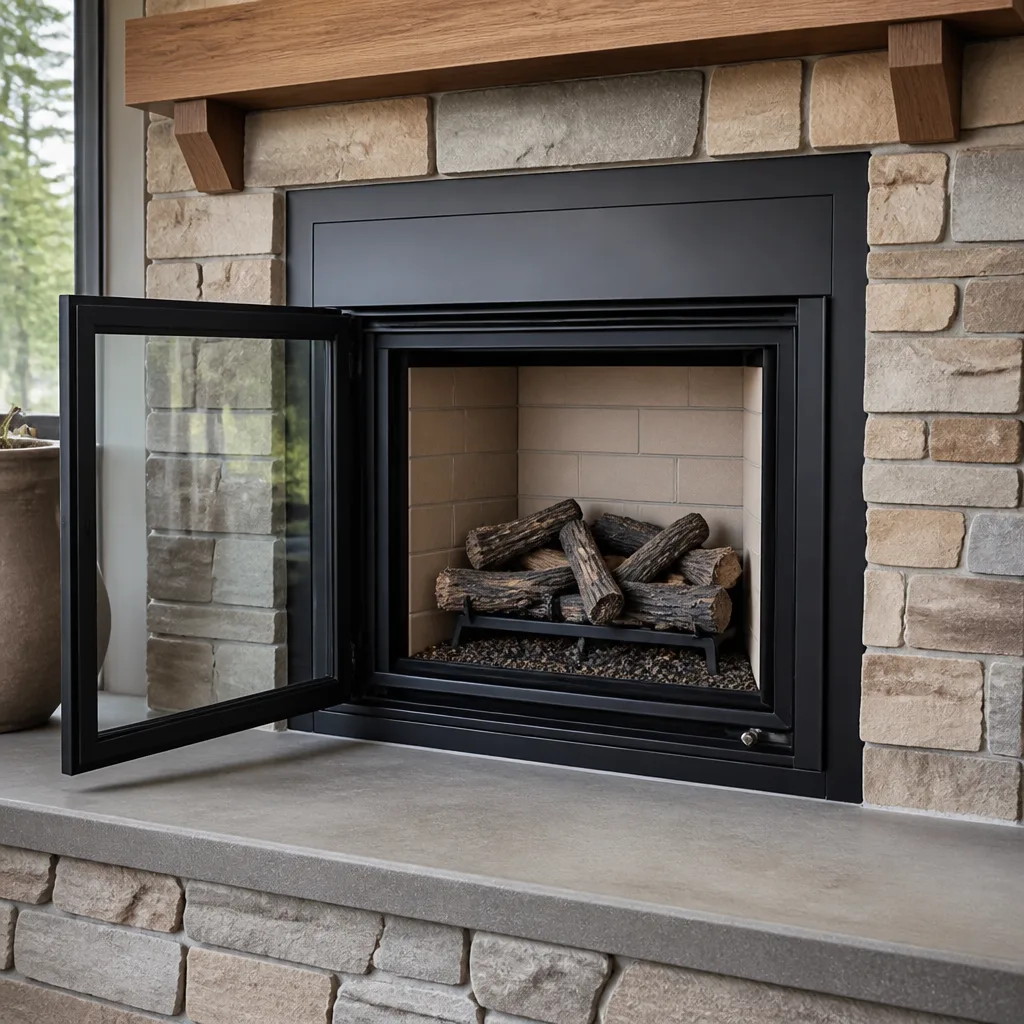
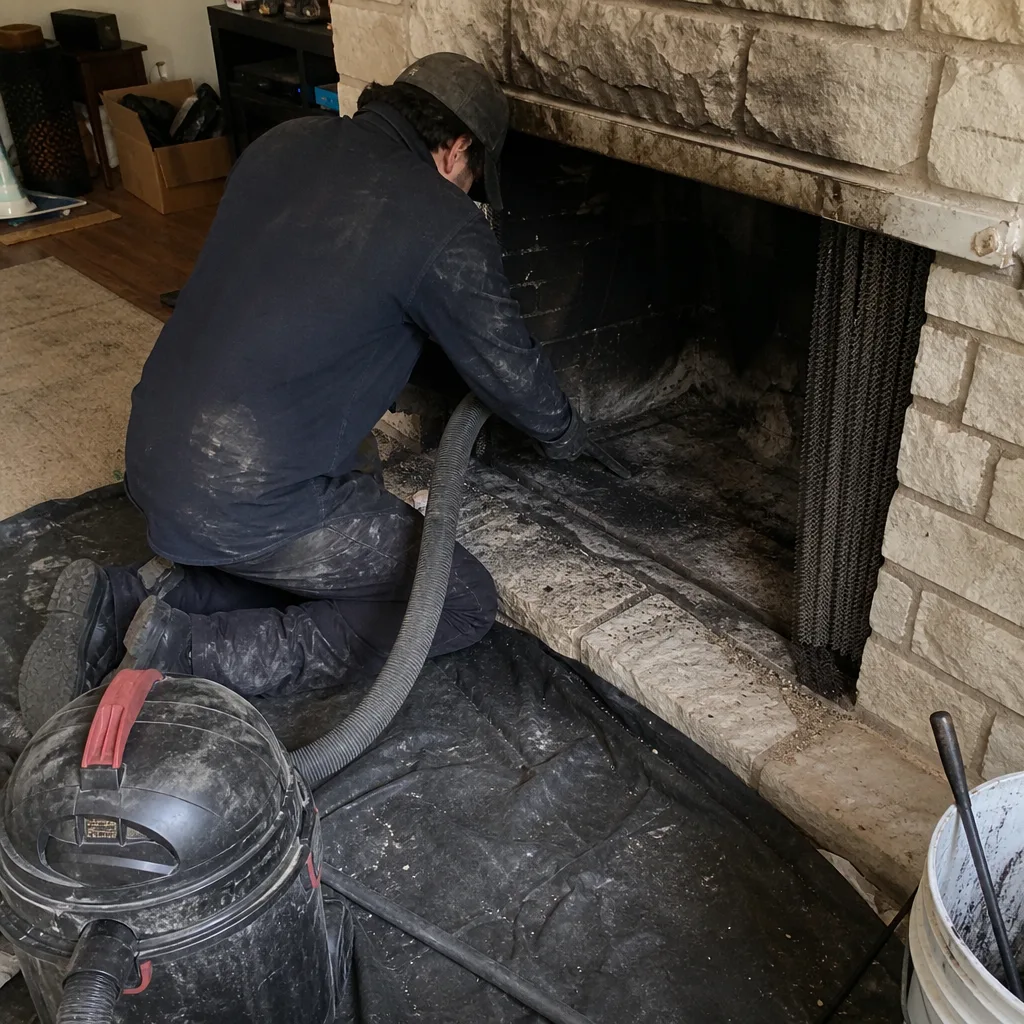 Before
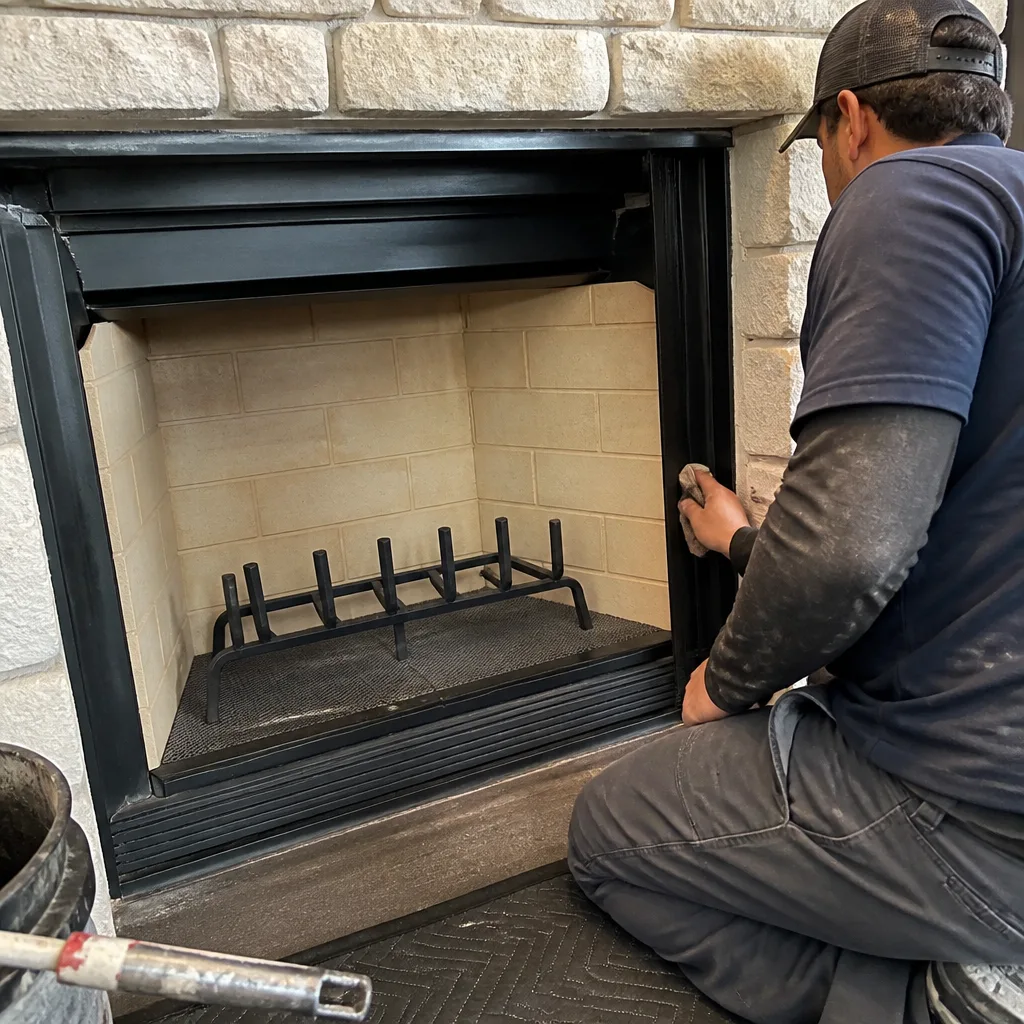 After
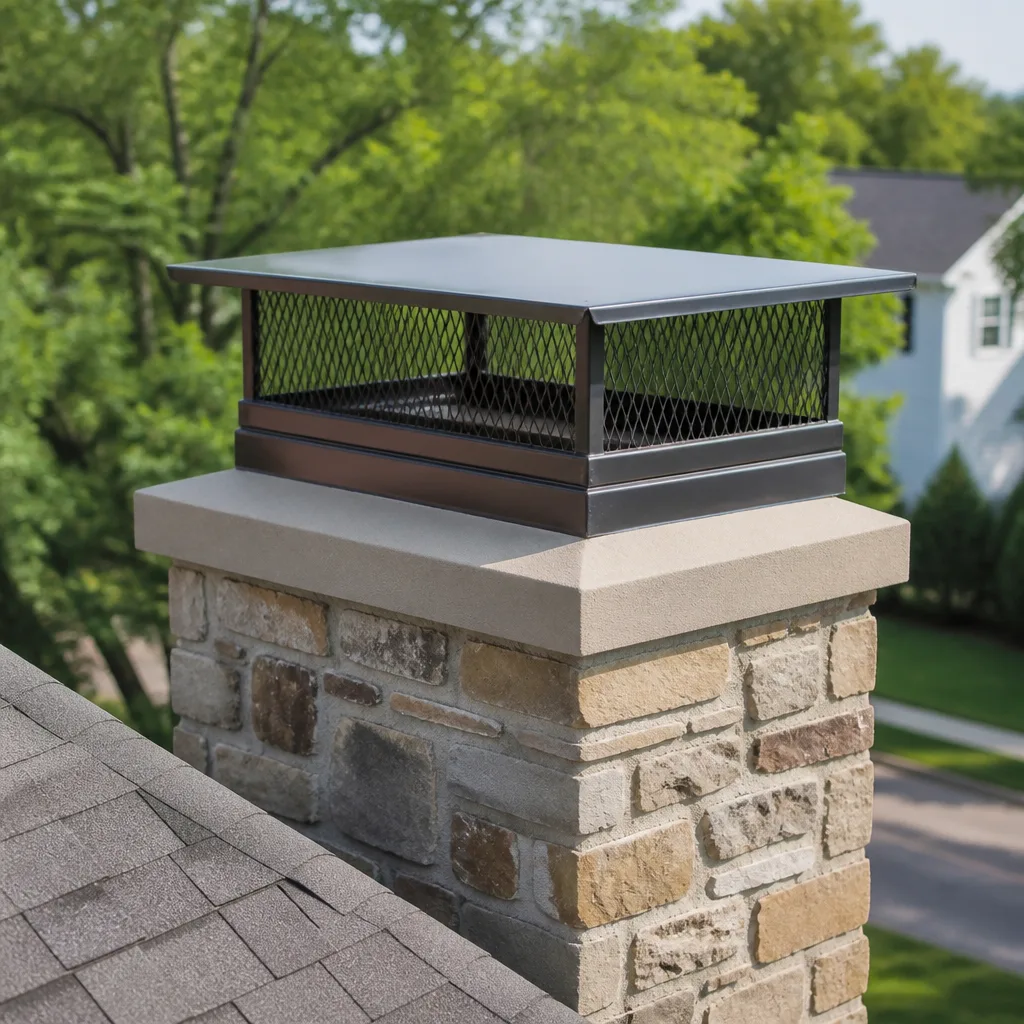
After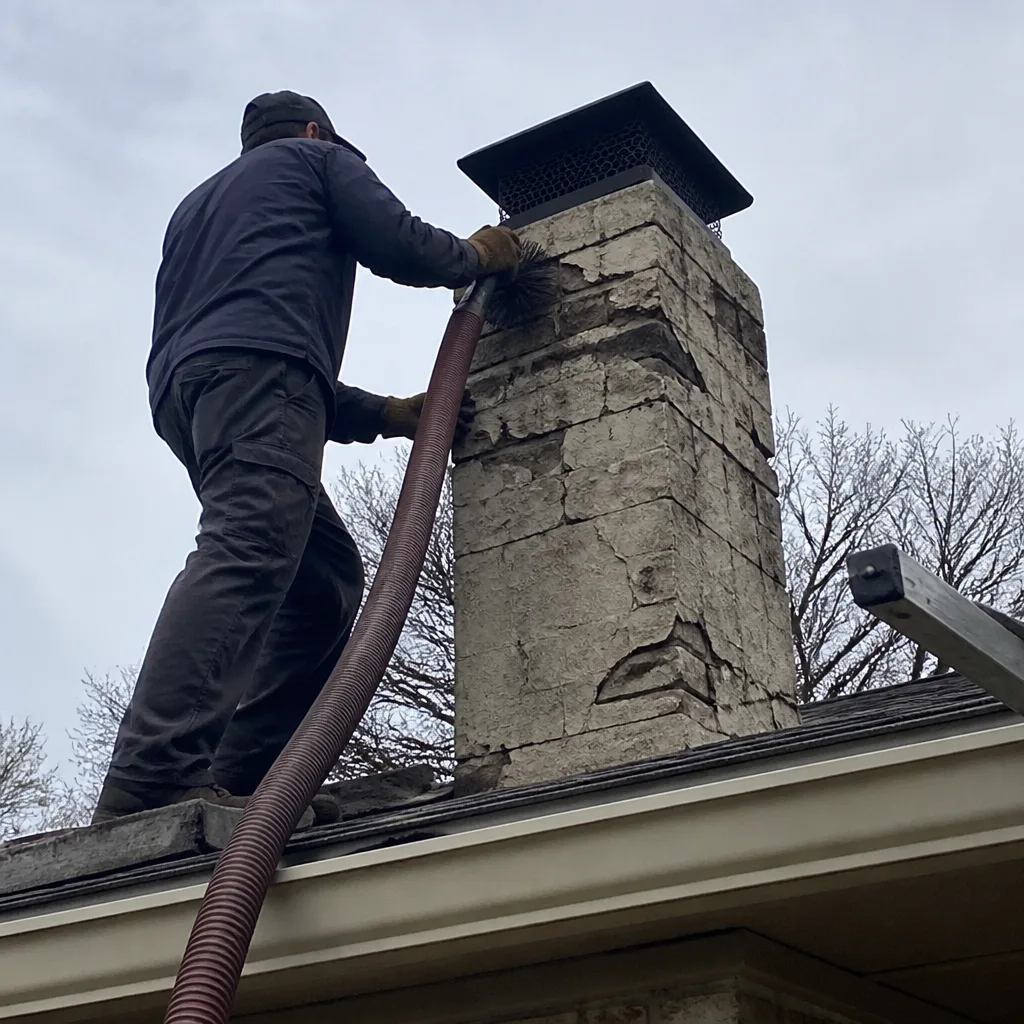 Before
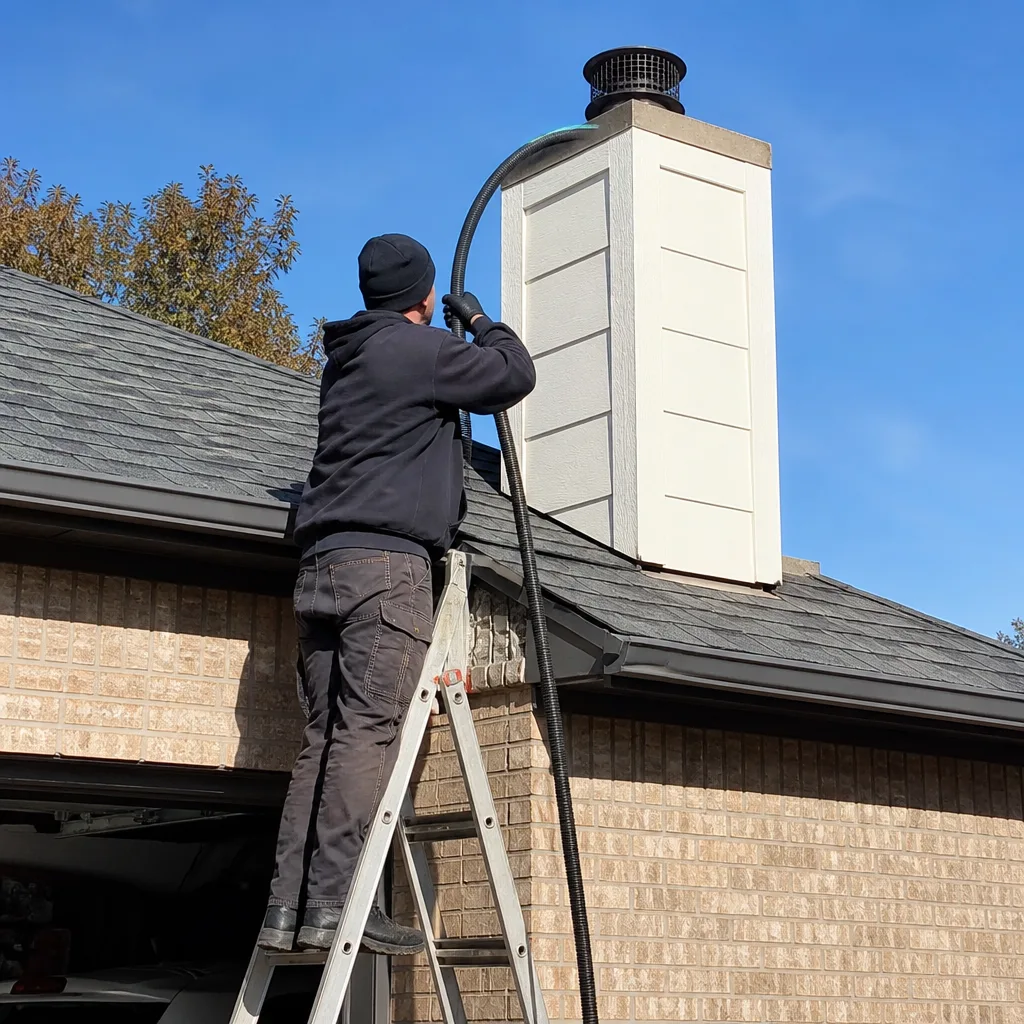 After
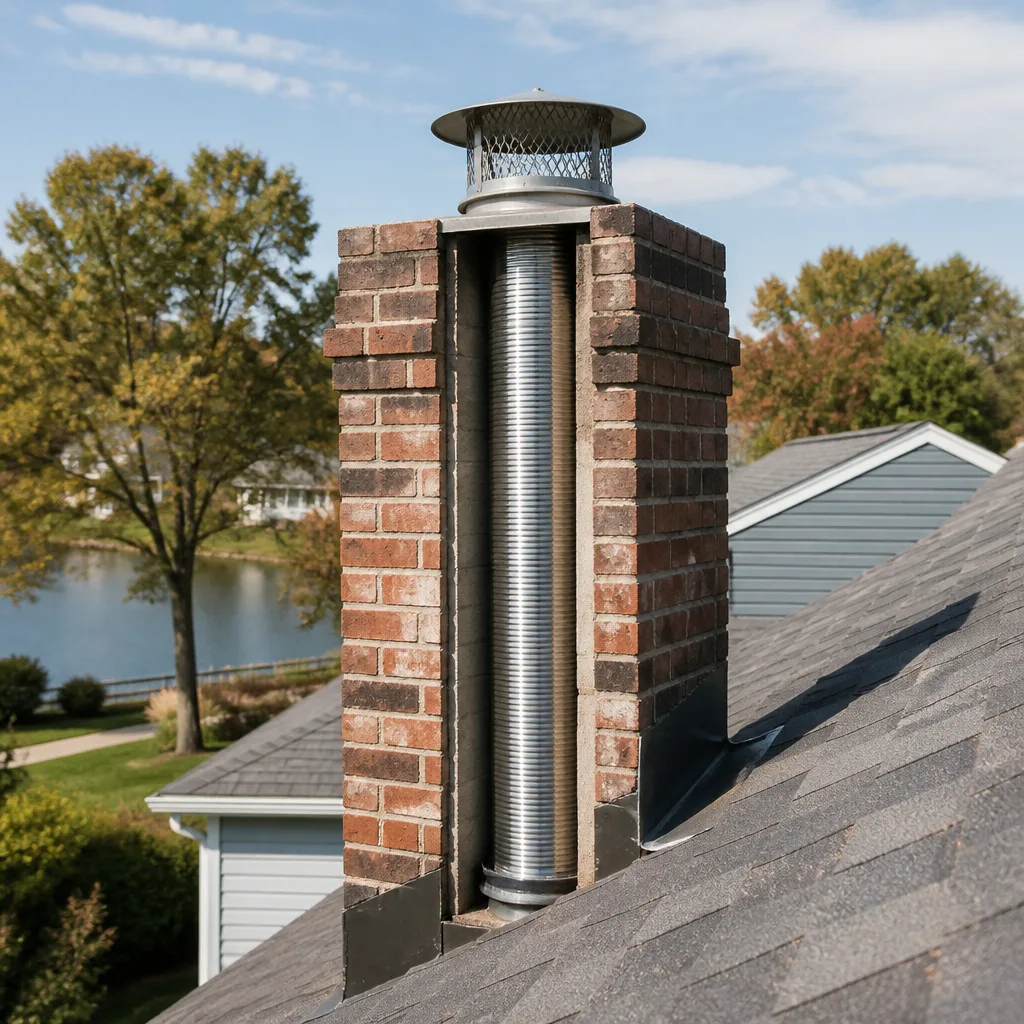
After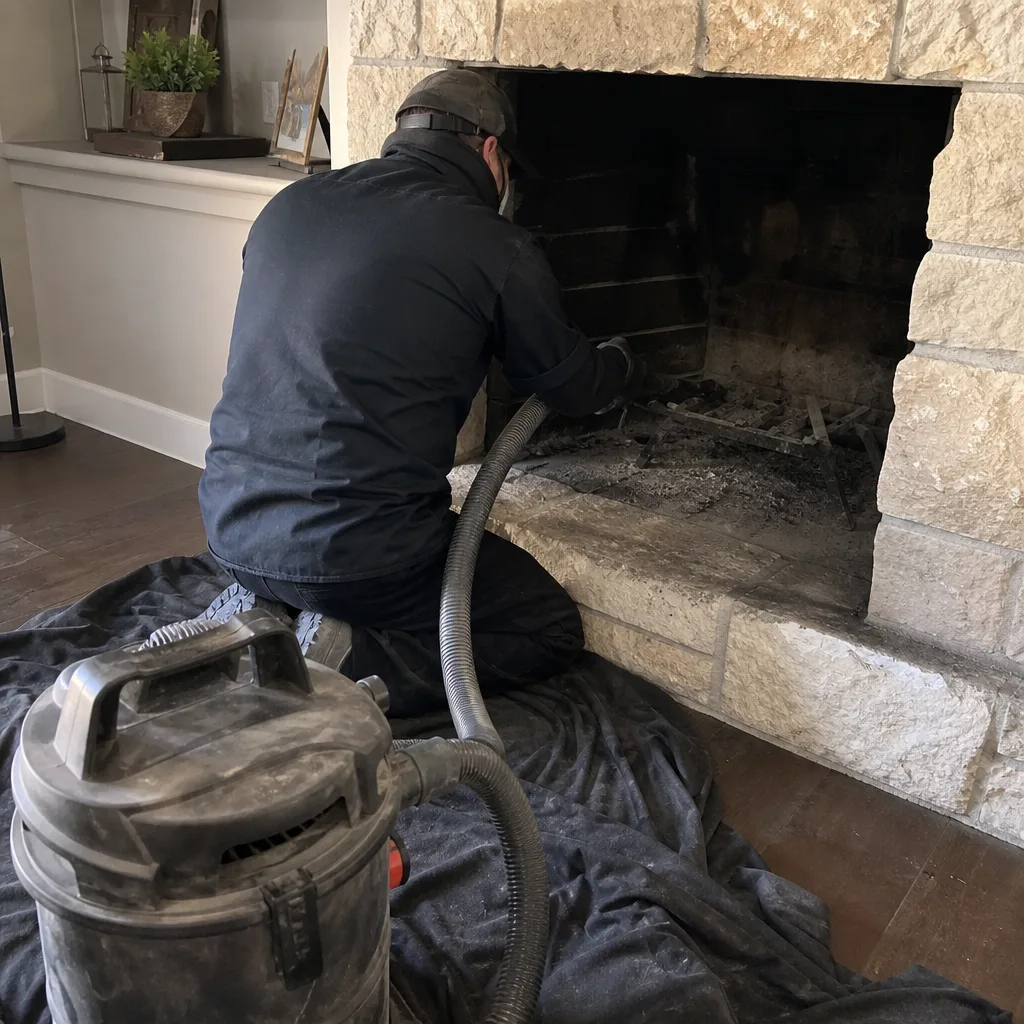 Before
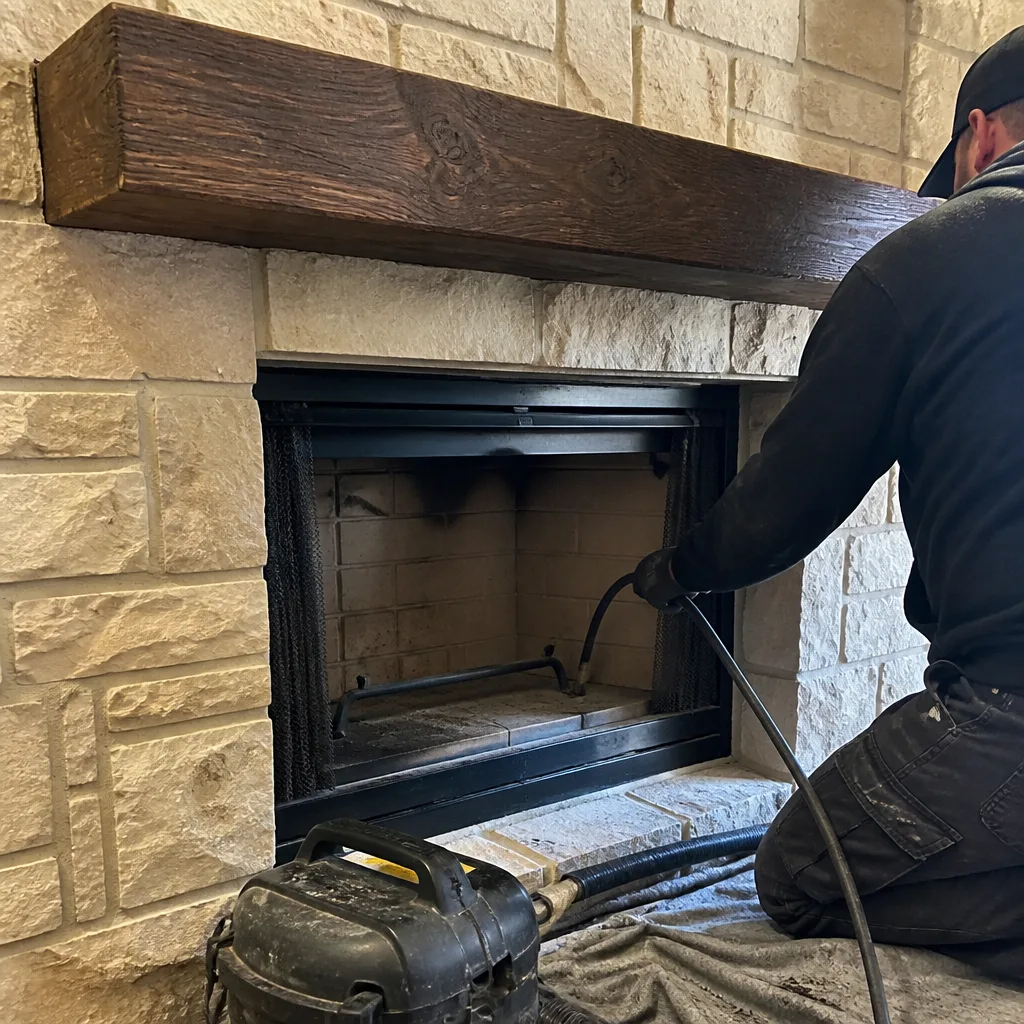 After
AfterHow Much Does Chimney Cap & Crown Cost in Fort Worth?
Chimney cap and crown work in Fort Worth typically runs between $150 and $1,800, depending on whether you need a simple cap replacement, a crown repair, or a full crown rebuild. Most homeowners in Tarrant County pay somewhere between $200 and $600 when the crown is still structurally sound and only the cap needs attention. If both need work at the same time – which is common in Fort Worth’s clay-soil neighborhoods where freeze-thaw cycles accelerate masonry cracking – expect the combined job to land between $400 and $1,400.
Chimney Cap and Crown Cost Breakdown (2026)
Fort Worth’s pricing reflects a mid-sized Texas market: labor rates are lower than Dallas proper but higher than rural Tarrant County, and material costs track national supply chains with a modest freight premium. Below are the line-item ranges we see on actual jobs here.
| Service | Typical Fort Worth Range | Notes |
|---|---|---|
| Single-flue galvanized steel cap (supply + install) | $150 – $275 | Most common single-story home in SW Fort Worth or Wedgwood |
| Single-flue stainless steel cap (supply + install) | $200 – $375 | Longer service life; better fit for brick chimneys that see heavy rain off the west |
| Multi-flue or oversized cap | $275 – $550 | Common in older 2-story homes in Ryan Place, Fairmount, and Westcliff |
| Copper decorative cap | $450 – $900 | Chosen for curb appeal in Rivercrest, Monticello, and high-end new builds in Clearfork |
| Crown repair (hairline cracks, sealant application) | $185 – $395 | CrownCoat or equivalent elastomeric sealant; works when the crown shell is still intact |
| Crown rebuild (partial – damaged section) | $450 – $750 | Mortar and form work; needed when cracking has allowed water infiltration |
| Crown rebuild (full – tear-off and re-pour) | $750 – $1,800 | Two-story chimneys, difficult roof pitch, or severely spalled crowns |
| Cap + crown repair (combined job) | $400 – $900 | Most cost-effective time to address both; one trip, one scaffold setup |
| Cap + full crown rebuild (combined job) | $900 – $1,800 | Complete top-of-chimney restoration; includes photo documentation under Haven Standard Clause 4 |
Every number above reflects a written price delivered before work starts – that is not a marketing line, it is Haven Standard Clause 1. You will see the scope, the material spec (whether it’s a Gelco cap, an Olympia Chimney product, or a Famco stainless unit), and the warranty in writing before anyone sets a ladder against your roofline. If you have a competitor’s written estimate already in hand, bring it to us – we offer a free second opinion on any written quote.
What drives the final number up or down
Roof pitch is the single biggest variable in Fort Worth pricing. A chimney on a 6:12 pitch in Tanglewood takes longer to access safely than the same chimney on a flat-topped 1960s ranch in the Poly neighborhood. That extra scaffold or roof-walk time translates directly into labor cost, sometimes adding $75 to $200 to an otherwise straightforward cap swap.
Chimney height is the other major driver. A two-story chimney in an older Fairmount Victorian sits 6 to 8 feet higher than its single-story counterpart, which affects both ladder reach and the safe handling of a 40-pound masonry crown pour. When a chimney requires a scaffold frame rather than just an extension ladder, that setup cost is itemized separately in the written quote so you can see exactly what you’re paying for.
Material grade matters more than most homeowners realize. A galvanized steel cap costs less upfront but may need replacement in 8 to 12 years in Fort Worth’s humidity and occasional hail. A stainless or copper cap costs more now and rarely needs replacing in a homeowner’s tenure. We source caps and crown materials from Gelco, Olympia Chimney, Famco, and Copperfield – manufacturers whose failure rates we can actually track across the 38,000+ jobs we’ve documented since 2009.
What Affects Chimney Cap and Crown Pricing in Fort Worth
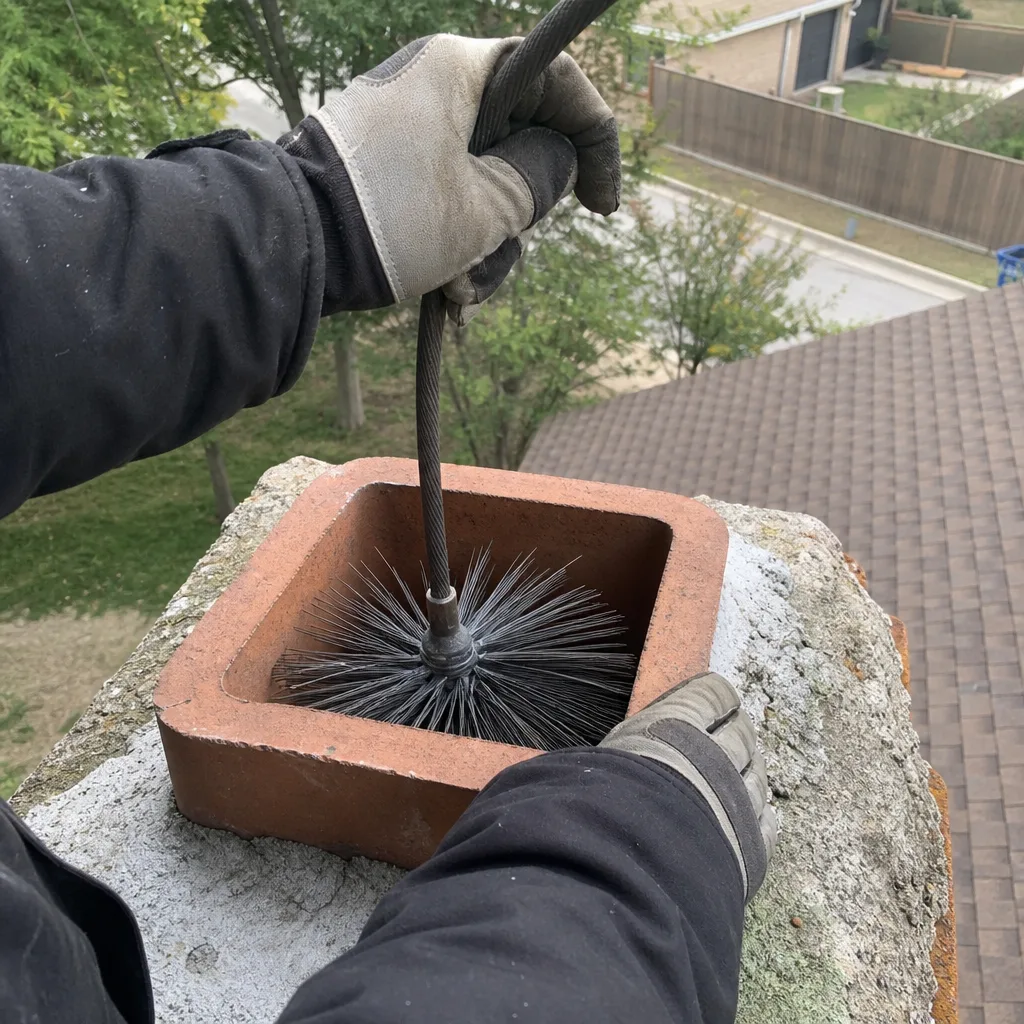
- Roof pitch and access difficulty: Steeper rooflines in neighborhoods like Wedgwood or the older sections of Haltom City require additional setup time and safety rigging. Expect $50 to $200 added to the base price when pitch exceeds 8:12.
- Chimney height and stories: A standard single-story cap swap in far southwest Fort Worth near Hulen is a 45-minute job. The same job on a two-story chimney in Ryan Place can run two hours with proper equipment, which is reflected in labor.
- Crown condition at the time of inspection: What looks like a surface crack from the ground can reveal itself as a through-crack when the camera goes down the flue. A Level 2 inspection – camera in, not just a flashlight look – tells you what you’re actually dealing with before you approve any scope. That distinction affects whether you’re quoted a sealant job or a full rebuild.
- Number of flues: Two-family homes and larger properties in Polytechnic Heights or the Meadowbrook area sometimes have two-flue chimneys serving separate fireplaces or a fireplace and a furnace. A multi-flue cap costs more in material and requires tighter sizing tolerances.
- Fort Worth’s clay soil movement: The expansive Blackland Prairie clay soil that runs through much of central and east Fort Worth causes foundation movement that telegraphs up through masonry chimneys. We see crown cracking in homes in Eastwood, Stop Six, and the Handley area that is directly tied to seasonal soil shift – not just weather. Crowns in these areas sometimes need repair every 10 to 15 years regardless of cap condition.
- Permit requirements: Fort Worth’s Building Inspection division (City of Fort Worth Development Services) generally does not require a permit for a cap replacement or crown repair using like-for-like materials. A full chimney rebuild that alters the masonry structure may require one. We confirm permit status during the inspection and note it in writing before quoting any structural scope – you are never surprised by a compliance issue after the job is underway.
 Before
 After
AfterCap vs. Crown: What’s the Difference and Why Both Matter
These two Chimney Cap & Crown components are often confused, and the confusion costs homeowners money when they fix one and ignore the other.
The chimney cap is the metal lid that sits on top of the flue opening. It keeps rain, nesting animals (Texas starlings and chimney swifts are active in Fort Worth from March through October), and wind-driven debris from entering the flue. Without one, rain falls directly onto the smoke shelf and the firebox floor, accelerating deterioration of every component below it.
The chimney crown is the concrete or mortar slab that covers the entire top of the chimney structure, surrounding the flue liner tile. Its job is to direct water away from the masonry and toward the roof rather than into the chimney’s brick joints. A crown is supposed to overhang the chimney edge by at least 2 inches and slope downward from the flue liner to that edge – a specification that was routinely ignored in 1970s and 1980s Fort Worth construction, which is why we see so many failing crowns in homes built during that era in Ridglea, Westcliff, and the older sections of North Fort Worth.
When the crown develops cracks – and Fort Worth’s temperature swings from 18-degree February nights to 105-degree July afternoons accelerate that process considerably – water enters the masonry. That water freezes and expands in winter, widens the crack, and by the next summer you have a spalling crown: one that is visibly flaking and crumbling. Left unaddressed, the damage migrates down into the brick joints below the roofline, at which point you are no longer talking about a $400 crown repair but potentially a $3,000 to $6,000 chimney rebuild.
Fixing the cap without addressing a cracked crown is like replacing a skylight while leaving the surrounding frame rotted. The cap keeps birds out; the crown keeps the masonry dry. Both need to be functional for either to do its job.
You can read more about our complete approach on the Chimney Cap and Crown in Fort Worth service page.
What a Level Two Inspection Finds Before You Approve Anything
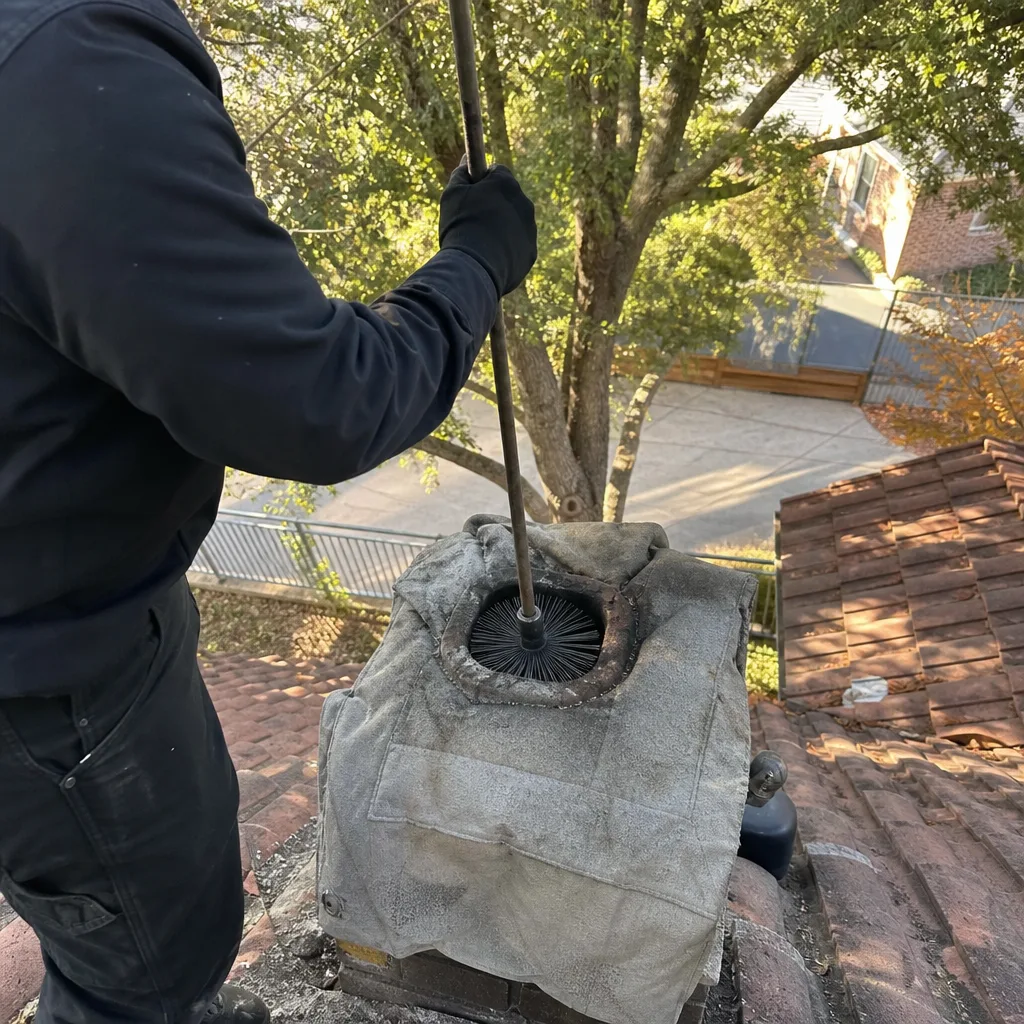
A flashlight look from a ladder is how most sweep companies assess cap and crown condition. That is not enough, and it has not been enough since NFPA 211 established Level 2 inspection standards as the minimum for any change in occupancy, any system modification, or any incident causing damage.
When a Level Two Chimney Co. technician arrives at your Fort Worth home, the inspection starts with the camera. The camera goes down the flue liner, capturing footage and stills of the tile condition, any offset or damage at the smoke chamber, and the firebox floor. What’s happening at the crown and at the cap is directly connected to what’s happening inside the liner – water that entered through a cracked crown shows up as efflorescence (white mineral streaks) on tile joints, as spalling tiles, or as a deteriorated smoke shelf. Without the camera, you don’t know whether you’re buying a $300 cap job or a situation that also needs liner attention.
The documented photo record from that inspection is yours to keep. It lives in our system and is accessible if you refinance, sell the home, or file a homeowner’s insurance claim. More than a few Fort Worth homeowners have used that documentation to support an insurance claim for storm-related crown damage. That archive practice has been Level Two’s standard since 2009 – Clause 4 of the Haven Standard – not an add-on we introduced when insurers started asking for it.
How to Save on Chimney Cap and Crown in Fort Worth
The most reliable way to avoid a large repair bill is to address small problems before the next Fort Worth freeze cycle. A hairline crown crack that costs $185 to $250 to seal in October costs $800 to $1,400 to rebuild the following spring after water has entered and worked through two freeze-thaw events. That math does not require a financial calculator.
A few other ways to keep costs reasonable:
- Combine the cap and crown in one visit. Labor and access setup are shared across both tasks. Doing them separately means paying for two trips, two ladder setups, and in some cases two scaffold builds. Combining them on one job typically saves $100 to $250 compared to scheduling them separately.
- Schedule in fall, not spring. Fort Worth sweep companies – including us – are busier in spring when homeowners discover damage from winter weather. Fall scheduling tends to have more flexibility, which sometimes means faster turnaround and no rush premium.
- Get a written estimate before committing. Every estimate from Level Two Chimney Co. is free and in writing. Call (682) 499-2712 and we will schedule an inspection, put the camera down the flue, and give you a written scope and price before you decide anything. There is no pressure to proceed, and a free second opinion is available if you want to compare against a competitor’s written quote.
- Know what material you’re getting. A $99 cap from a hardware store installed by a general handyman may not fit correctly, may not meet NFPA clearance requirements, and often fails within three to five years. A correctly sized stainless cap installed by a trained technician, sourced through suppliers like Famco or Olympia Chimney, costs more upfront and avoids the re-do cost entirely.
- Use the 365-Day Done Right Promise. Every job we complete is backed by this – if something is not right within 365 days of the completed work, we come back and fix it. That is not a confidence-builder slogan; it is a documented commitment stamped on every written scope. Factor that into the real cost comparison against lower-priced competitors who don’t offer it.
FAQs – Chimney Cap and Crown Cost in Fort Worth
How much does a chimney cap cost in Fort Worth, TX?
A chimney cap in Fort Worth costs between $150 and $550 for most single-family homes, installed. The range depends on material (galvanized vs. stainless vs. copper) and whether your chimney has one flue or multiple. A single-flue stainless cap – the most common choice we install in neighborhoods like Wedgwood, Sycamore Park, and the Far Southwest – runs $200 to $375 with installation. Copper caps for homes in Rivercrest or Clearfork typically run $450 to $900. Call (682) 499-2712 for a free estimate with a written price before any work starts.
How much does a chimney crown repair cost in Fort Worth?
Chimney crown repair in Fort Worth runs $185 to $395 for hairline or surface cracking treated with an elastomeric sealant like CrownCoat, and $450 to $750 for a partial rebuild where sections of the crown need to be re-formed and re-poured. A full crown teardown and rebuild costs $750 to $1,800, with the higher end applying to two-story chimneys or difficult roof pitches. The only reliable way to know which category your crown falls into is a Level 2 inspection with a camera in the flue – surface appearance alone doesn’t tell the full story.
Can I skip the chimney crown repair and just replace the cap?
You can, but it is rarely the right call. The cap keeps water out of the flue opening; the crown keeps water out of the masonry surrounding it. A cracked crown will continue to allow water infiltration regardless of what cap is sitting on top of it. In Fort Worth’s climate – with summer heat expanding masonry and winter cold contracting it – a crown crack that is left unaddressed typically widens enough to require a full rebuild within two to four years. The $200 you save by skipping the crown sealant now frequently becomes a $1,000-plus rebuild job later.
Does Fort Worth require a permit for chimney cap or crown work?
Fort Worth’s Development Services department generally does not require a building permit for like-for-like chimney cap replacement or surface crown repair using equivalent materials. Structural work – such as a full crown rebuild that alters the masonry profile, or any work that changes the chimney height or flue configuration – may require a permit, and any work near a gas appliance vent may involve additional code considerations. We confirm permit requirements during the inspection and note them in the written scope before any work is approved. You are never responsible for a permit surprise discovered after the job starts.
How long does a chimney cap and crown last in Fort Worth’s climate?
A properly installed stainless steel cap lasts 15 to 25 years in Fort Worth conditions. Galvanized caps run 8 to 12 years before rust and fit degradation become concerns. Copper caps, when correctly sized and installed, can last the life of the chimney. A well-poured concrete crown with correct overhang and slope should last 20 to 30 years – but Fort Worth’s clay soil movement and wide temperature swings mean that even well-built crowns often need sealant maintenance every 10 to 15 years. We document the crown and cap condition with photos on every visit, so you have a baseline comparison year over year rather than relying on memory or guesswork.
Is it cheaper to repair or replace a chimney crown?
Repair is always cheaper in the short term: $185 to $395 for sealant vs. $750 to $1,800 for a full rebuild. The question is whether repair is appropriate. A crown with hairline cracks and intact edges is an excellent sealant candidate. A crown where freeze-thaw damage has worked through the full depth, or where improper original construction left no overhang, will fail again quickly after sealant alone – and by that point you have paid for both the sealant and the eventual rebuild. The Level 2 camera inspection gives us actual documentation of what is happening inside the flue and lets us assess whether the crown’s structural shell is sound enough to hold a sealant repair for another 10 or more years. That determination is made before you are asked to approve anything.
What You Walk Away With After Every Job
When Level Two Chimney Co. completes a cap or crown job at your Fort Worth home, you have four things in hand before our technician leaves: a written scope of what was done, the material spec (brand, grade, and size of cap or crown materials used), a written warranty, and a documented photo record of the completed work. That record is archived under Haven Standard Clause 4 and is accessible any time you need it – for a real estate transaction, an insurance claim, or simply your own peace of mind the next time a contractor tells you something needs to be redone.
Corrine Halstead has led Level Two Chimney Co. with that documentation standard in place from the start. The 38,000-plus inspections and cleanings completed since 2009 all have written records. None of them started with “call for a quote.” All of them ended with a photo file. That is what the Level Two Chimney Co. home page describes as the practice – and it is what every Fort Worth homeowner who works with us experiences on the day of the job.
Ready for a Written Price Before Anything Starts?
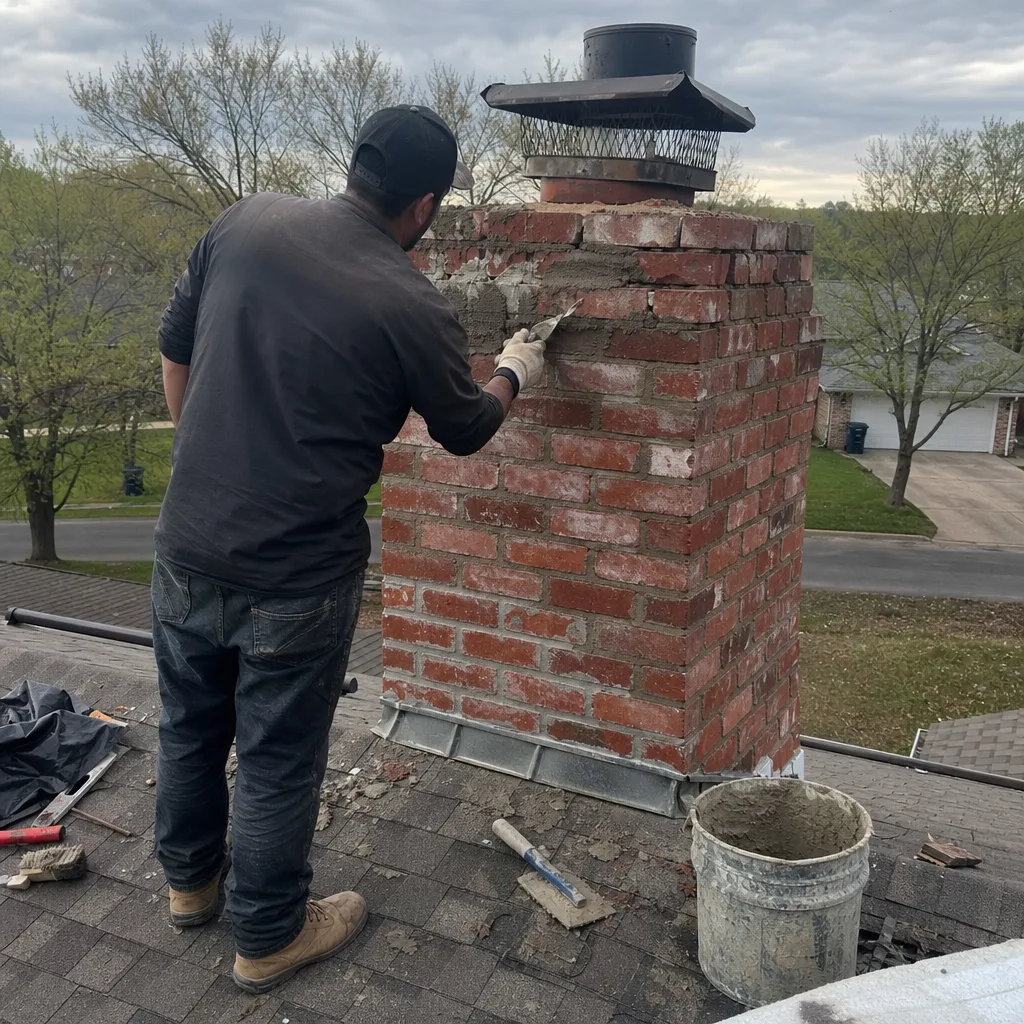
If your chimney cap is missing, rusted, or loose after a storm, or if you have noticed staining on your fireplace firebox floor or white streaking on your exterior brickwork, those are signs the crown and cap system needs attention now – before the next rain event works further into the masonry. Fort Worth’s spring storm season and late-winter freeze cycles do not wait for convenient scheduling.
Call Level Two Chimney Co. at (682) 499-2712 – a live person answers, 24 hours a day, 7 days a week. We will schedule an inspection, put the camera down the flue, and hand you a written price and written scope before any work begins. If you already have a competitor’s written estimate, bring it – we will review it and give you our honest assessment for free. No pressure, no surprises, no “call for a quote” runaround.
Pricing reflects the Fort Worth market as of 2026. Level Two Chimney Fort Worth offers free estimates – call (682) 499-2712.
Written by Corrine Halstead, Owner at Level Two Chimney Co., serving Fort Worth, TX since 2009.
What Our Customers Say
"They ran a camera down the flue and showed me the cracked tiles on a screen. The previous company had swept it twice and never mentioned it."
- Gregory F."They told me the flue was fine and I did not need a liner. Charged me for the inspection and nothing else. That is why I have called them twice since."
- Hal M."We were buying the house and needed a real inspection. The report had photographs, the standard it was done to, and a clear repair figure. The seller paid for the repair."
- Lorna D.