
Last updated September 22, 2026
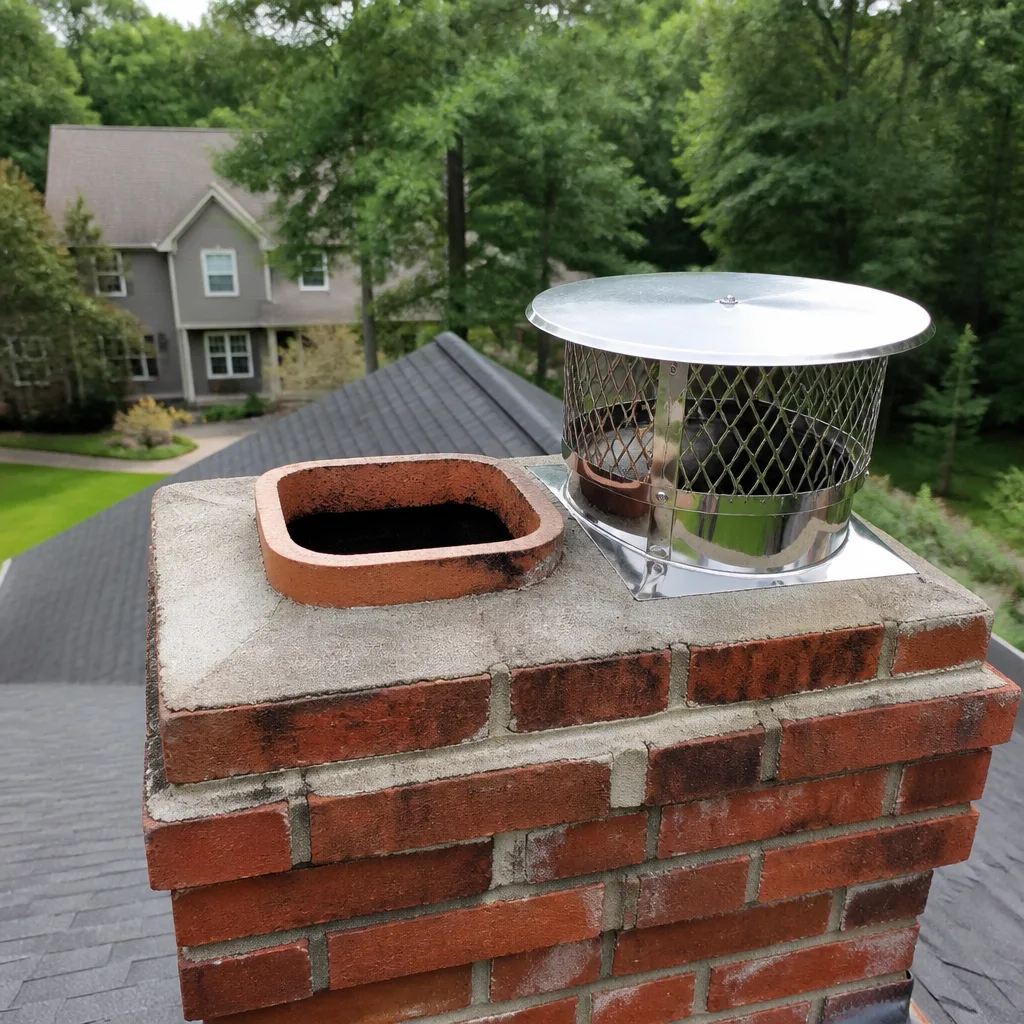
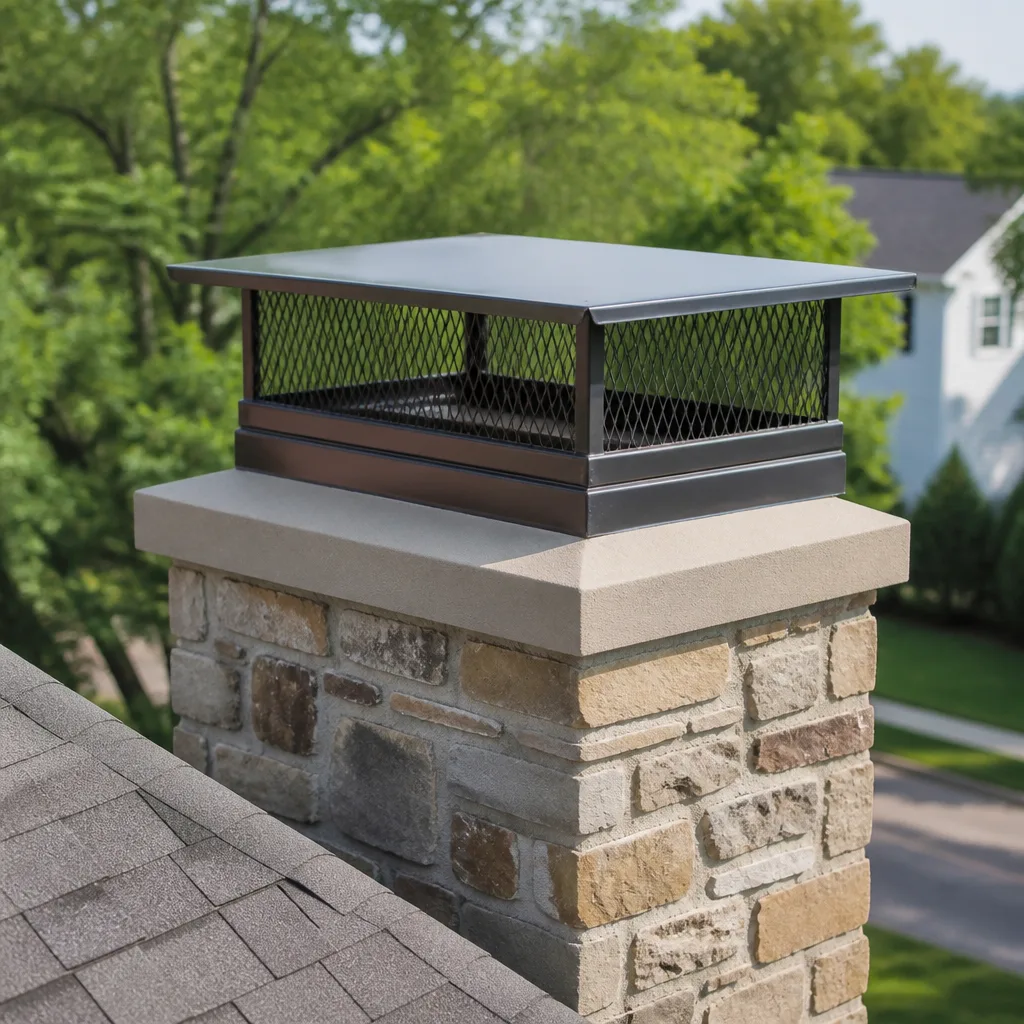
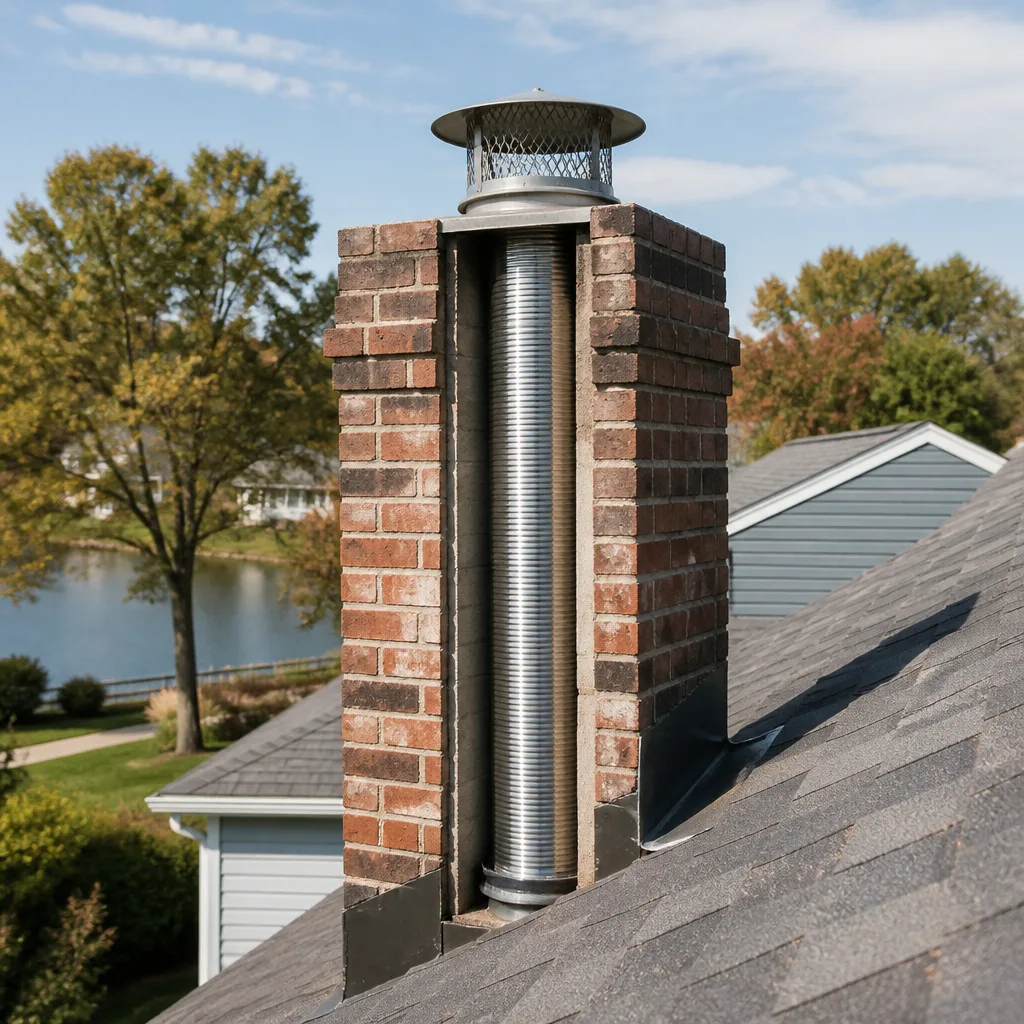
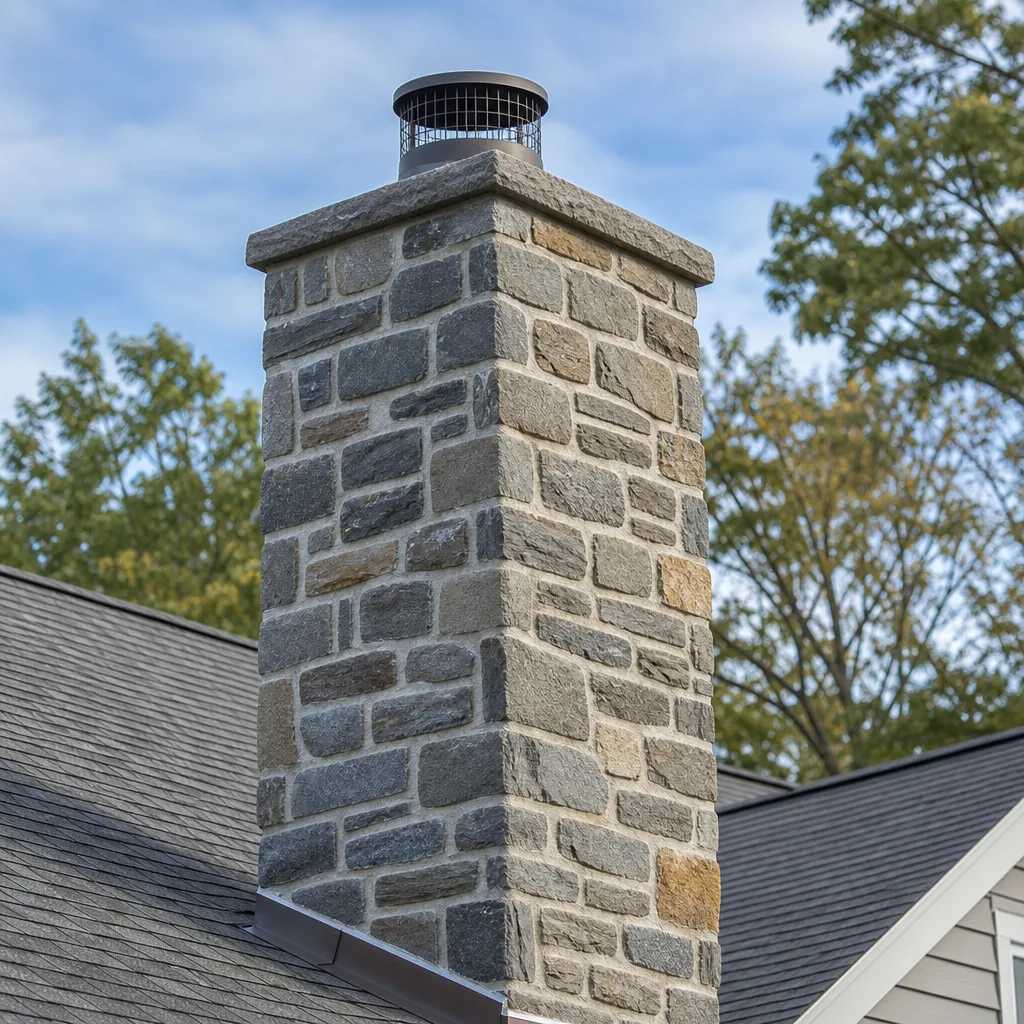
Level 1 sweep and inspection to the NFPA 211 annual standard - flue, crown, cap, and flashing checked and photographed
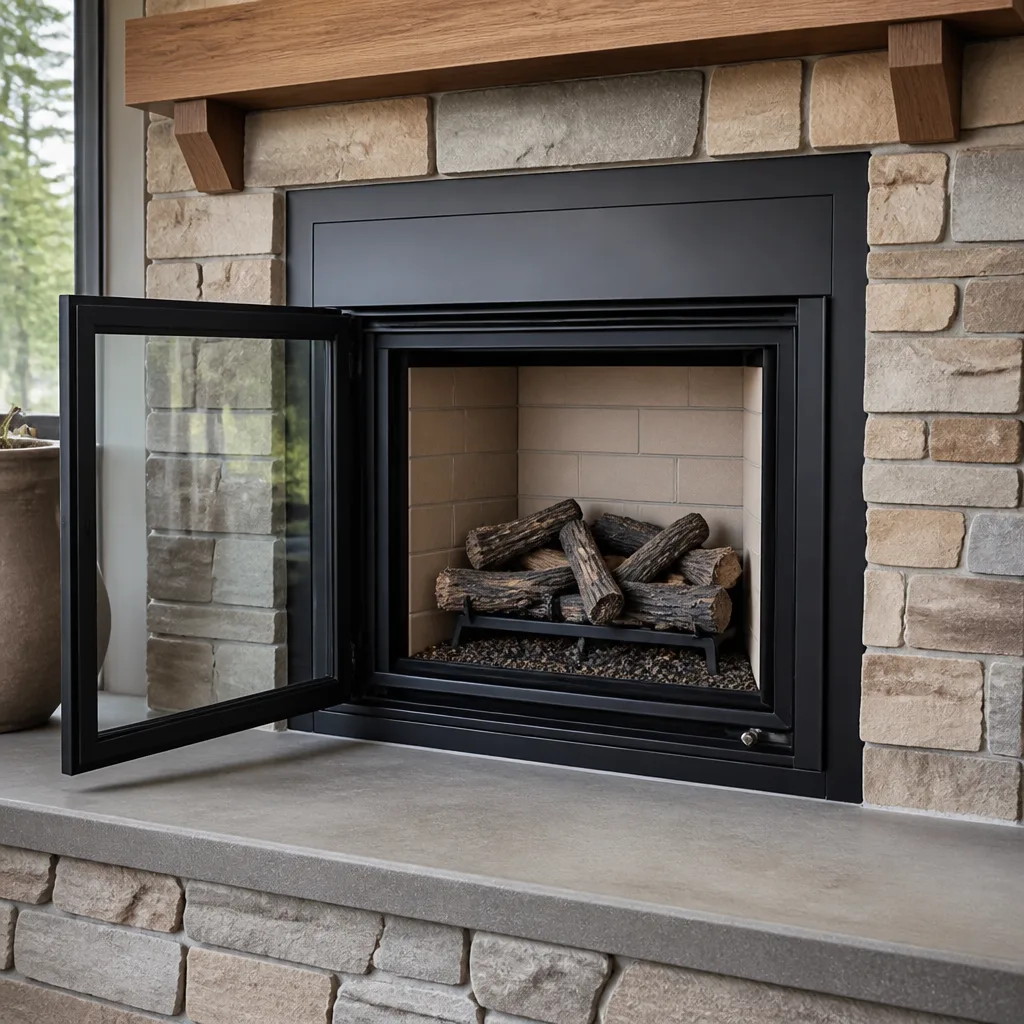
Chimney sweep logs do not sweep chimneys. They loosen some creosote - which then falls where a brush and vacuum still have to collect it.
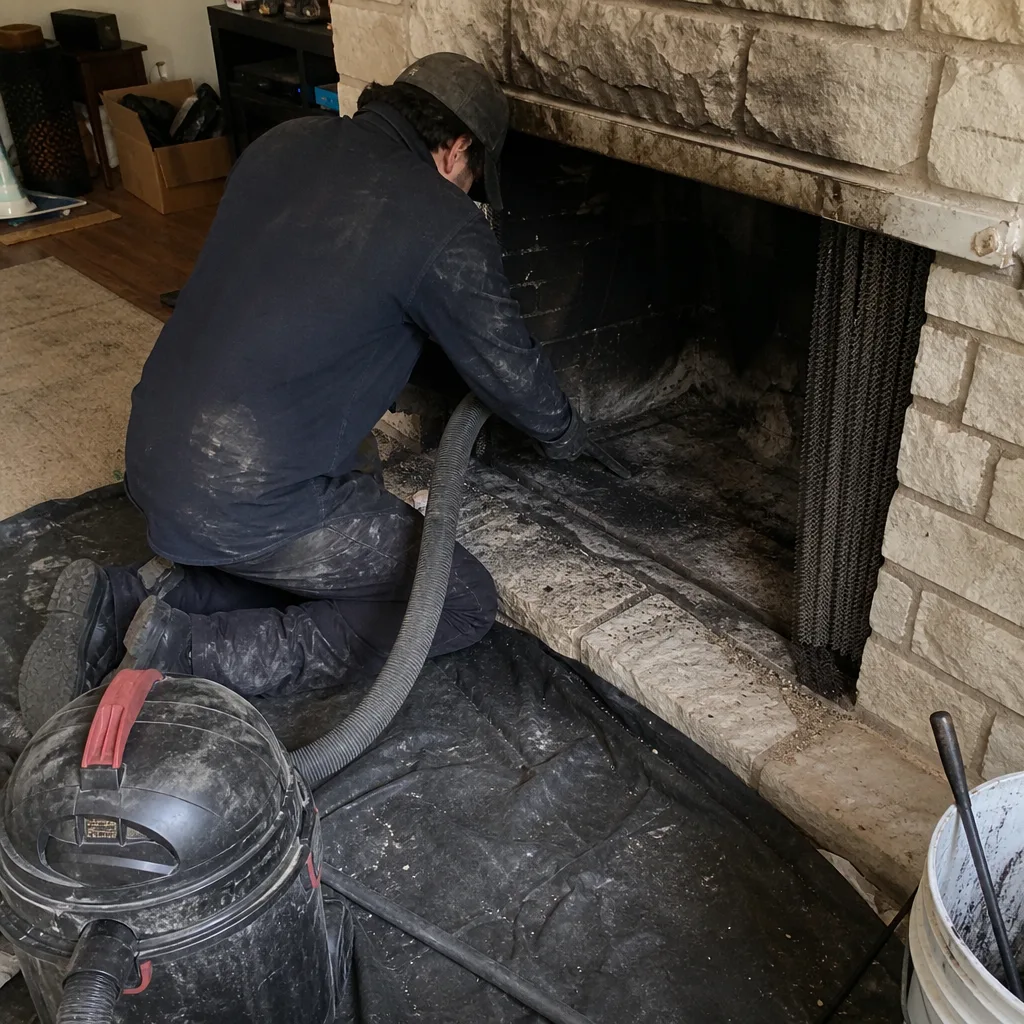 Before
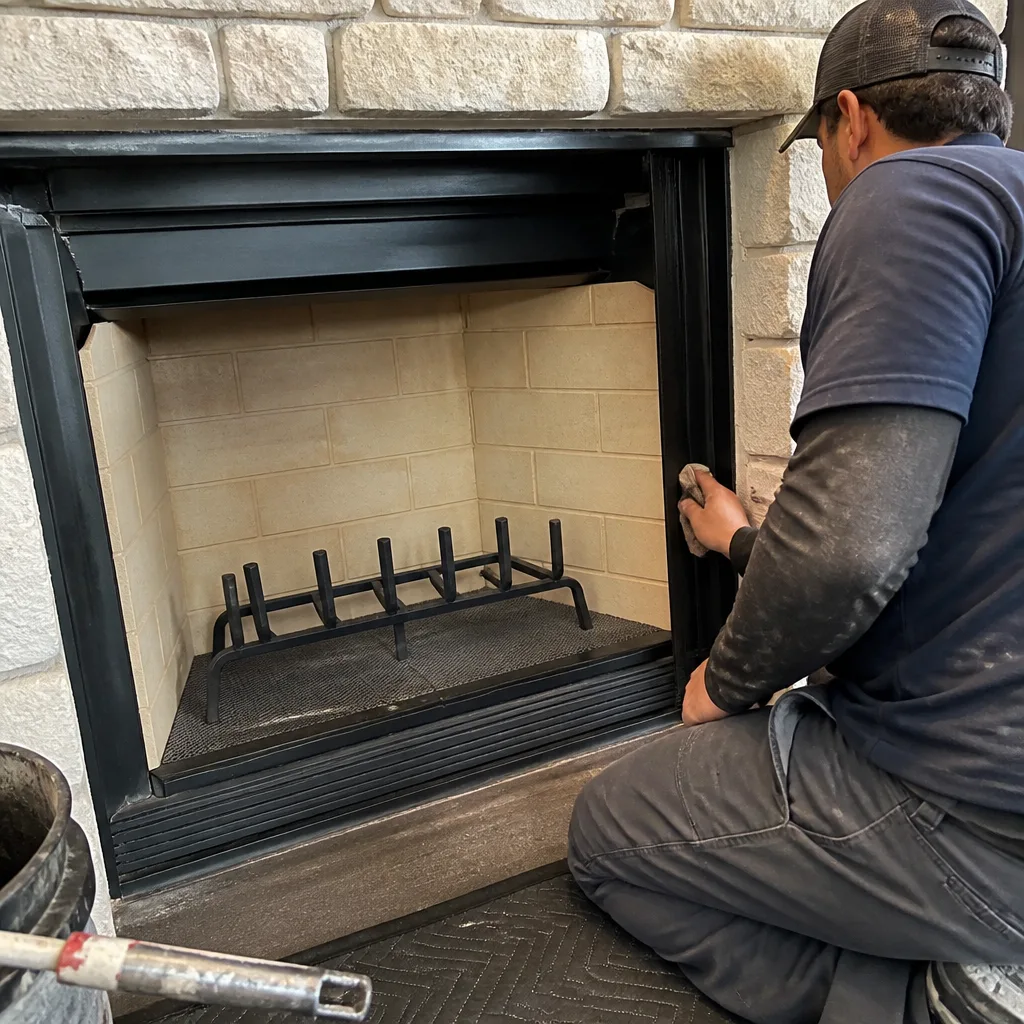 After
After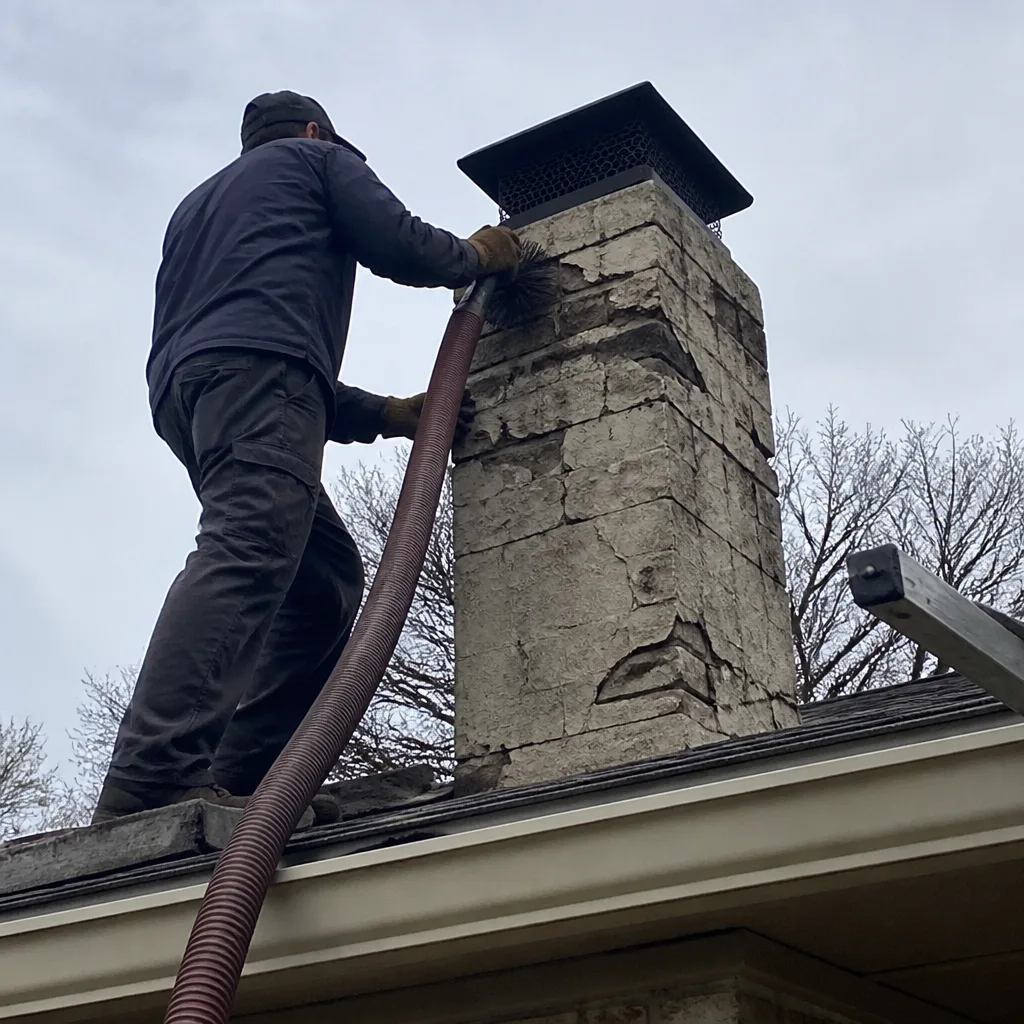 Before
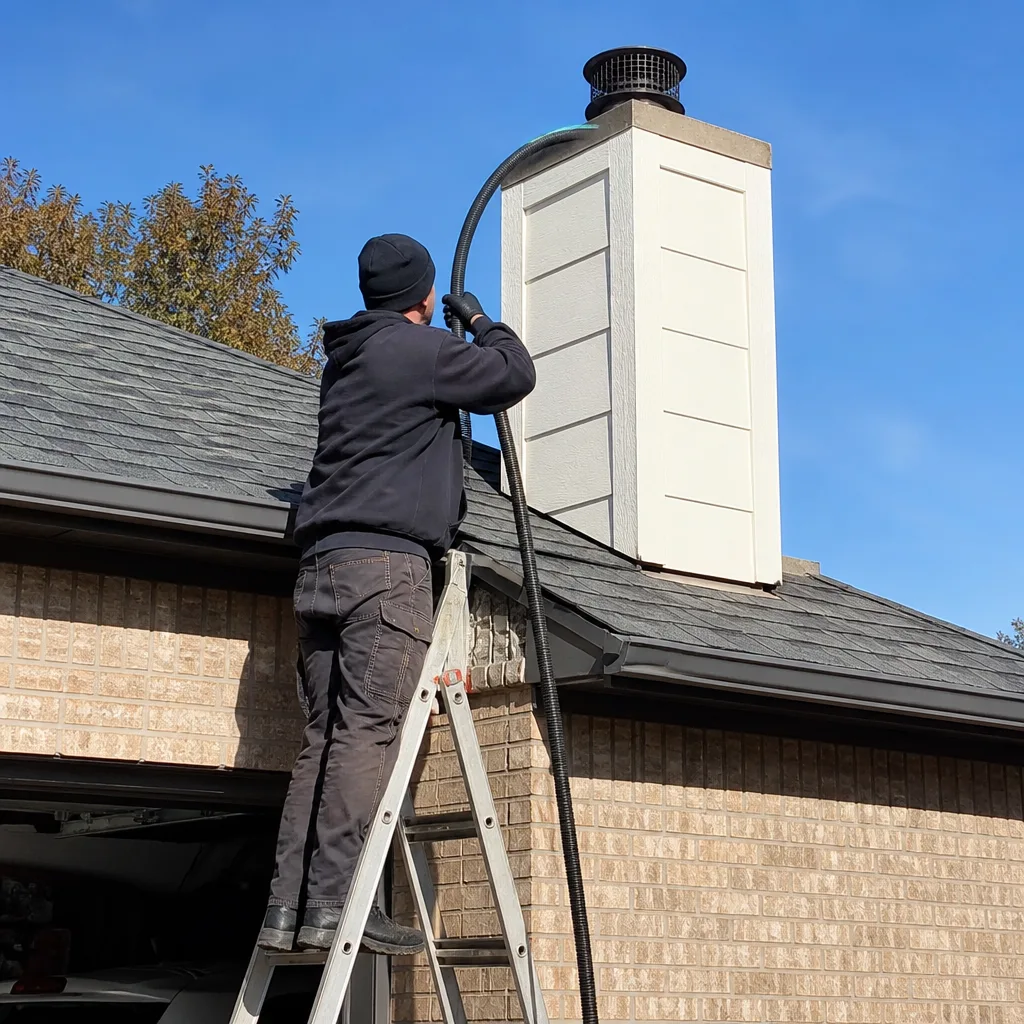 After
After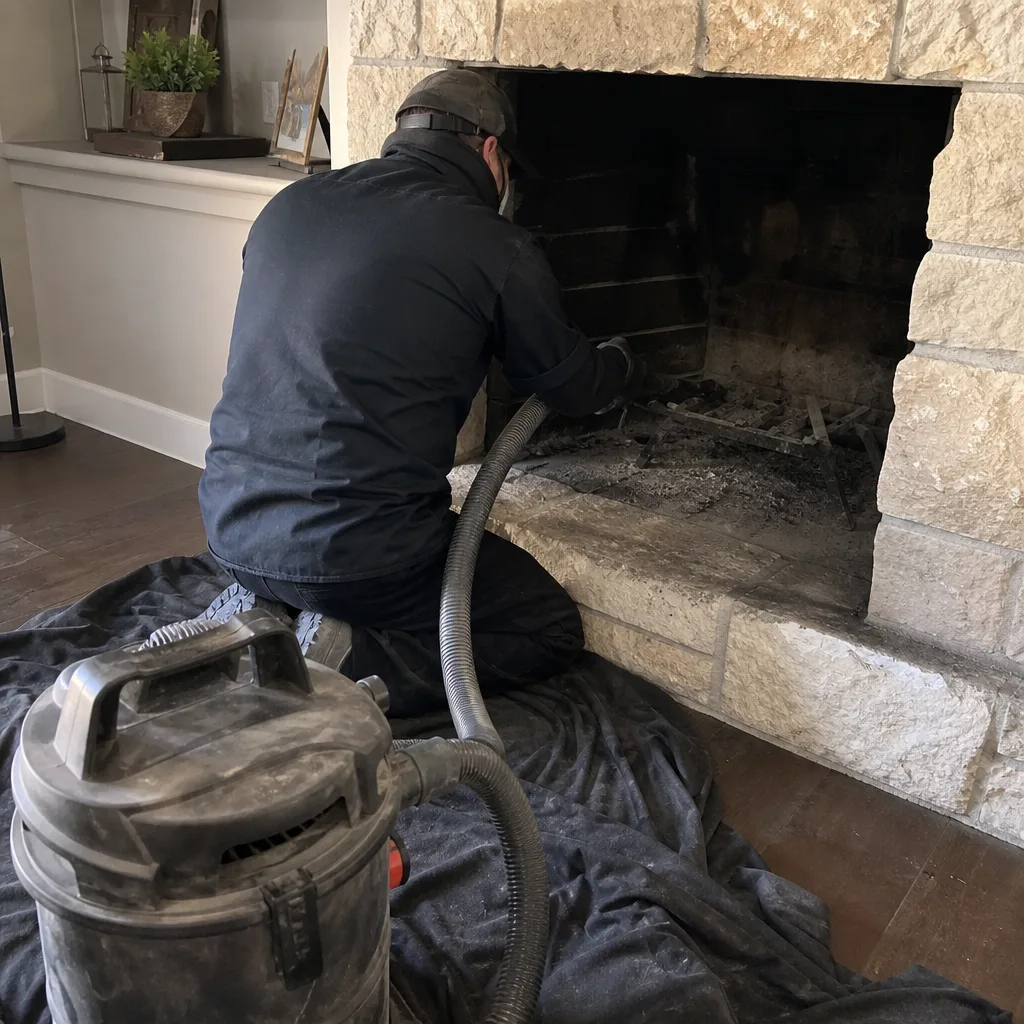 Before
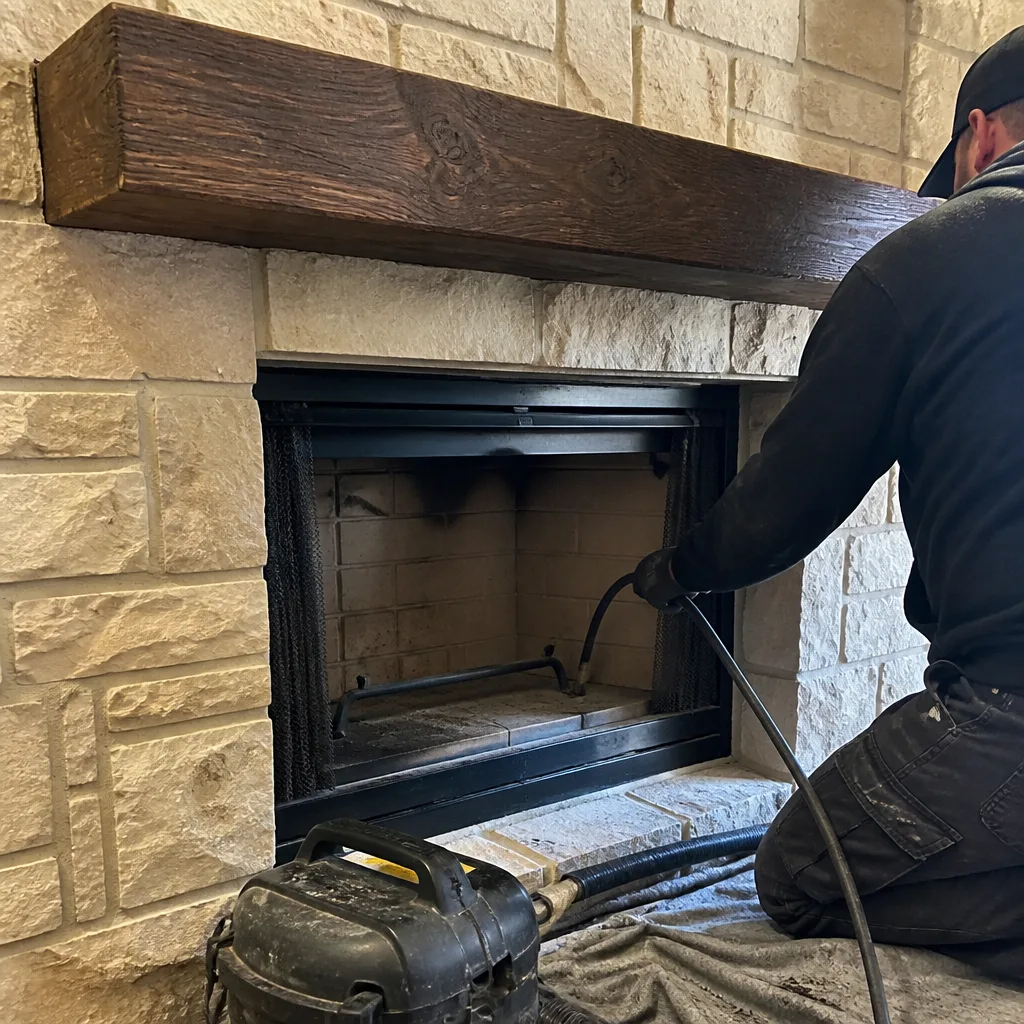 After
AfterDIY vs Professional Chimney Cleaning: The Fort Worth Homeowner’s Decision Guide
A Fort Worth homeowner who cleans their own chimney every year and does it correctly is still flying without a black box. If a fire starts in the flue, they have no documented evidence of the chimney’s condition before the event - and neither does their insurer. In Tarrant County’s competitive real estate market, that gap can cost a sale or void a claim. This guide defines exactly what DIY can accomplish, where it ends, and why the dividing line isn’t skill or cost - it’s documentation.
Quick Answer
DIY chimney cleaning in Fort Worth can safely remove Stage 1 creosote from the firebox and lower flue on a straight, masonry chimney with standard tools costing $80-$150. However, a homeowner cannot produce the NFPA 211 Level 2 camera-scan documentation that insurers, buyers’ agents, and fire marshals require after an incident - which is why our guide to hiring a chimney cleaning contractor in Fort Worth emphasizes verifying this capability before you book. For real estate transactions, insurance claims, or any chimney with Stage 2+ creosote, a professional sweep is necessary.
Table of Contents
- What DIY Chimney Cleaning Can Actually Accomplish
- The Documentation Gap: Why DIY Leaves You Exposed
- Equipment Reality Check: What It Costs to Match a Pro
- Creosote Stages: When DIY Makes Sense and When It Doesn’t
- The Hybrid Approach: Between Professional Sweeps
- Fort Worth-Specific Factors: Climate, Codes, and Neighborhoods
- Common Mistakes to Avoid
- When to Call a Professional
- Frequently Asked Questions
- The Bottom Line
 Before
 After
AfterWhat DIY Chimney Cleaning Can Actually Accomplish
Let’s be precise about scope. A competent homeowner with a standard fireplace can safely accomplish three things:
- Remove loose ash and debris from the firebox. This is straightforward maintenance that reduces odor and improves draft efficiency.
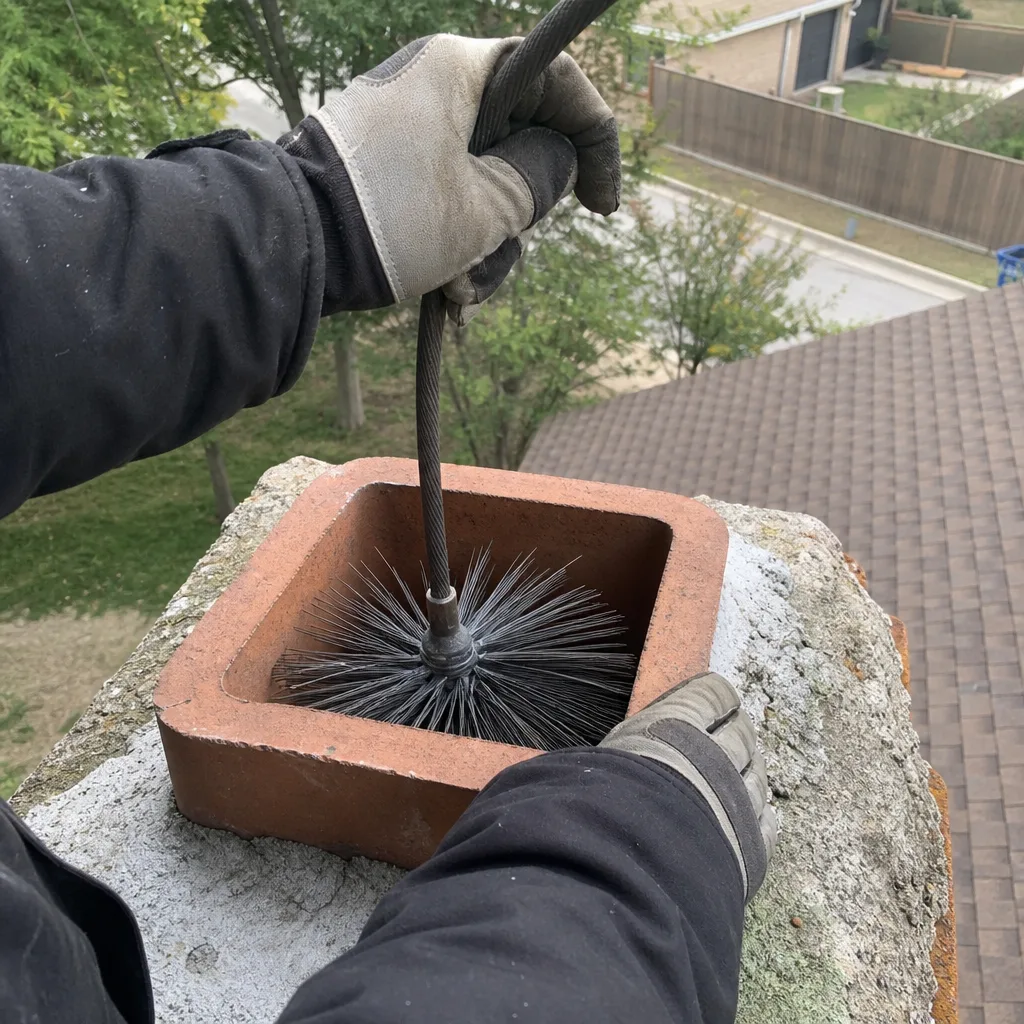
- Brush surface-level creosote from the lower flue. Using a fiberglass or polypropylene brush on extension rods, a homeowner can reach 10-15 feet up from the firebox on a straight run.
- Inspect visible components for obvious damage. Cracked firebrick, missing mortar, or a damaged throat damper are visible without specialized equipment.
That’s the complete list. What DIY cannot do: inspect the upper flue liner (where most deterioration occurs), evaluate the smoke chamber (the area above the damper), assess crown integrity from the roof, or document any of it with timestamped photos tied to NFPA standards.
In Fort Worth’s older neighborhoods like Fairmount, Ryan Place, and Berkeley Place, many chimneys were built before 1970 with unlined clay flue tiles. These systems accumulate creosote faster than modern lined chimneys, and the tiles themselves crack from thermal cycling. A homeowner brushing from below won’t detect a cracked tile at the roofline - but a camera will.
The skill required for basic DIY sweeping is moderate. You need upper-body strength for the brushing motion, comfort working in soot, and attention to containment (plastic sheeting, HEPA vacuum). The risk of doing it wrong is real but manageable: incomplete cleaning, mess, or minor damage to the flue liner from an oversized brush. The risk of not knowing what you missed is larger.
The Documentation Gap: Why DIY Leaves You Exposed
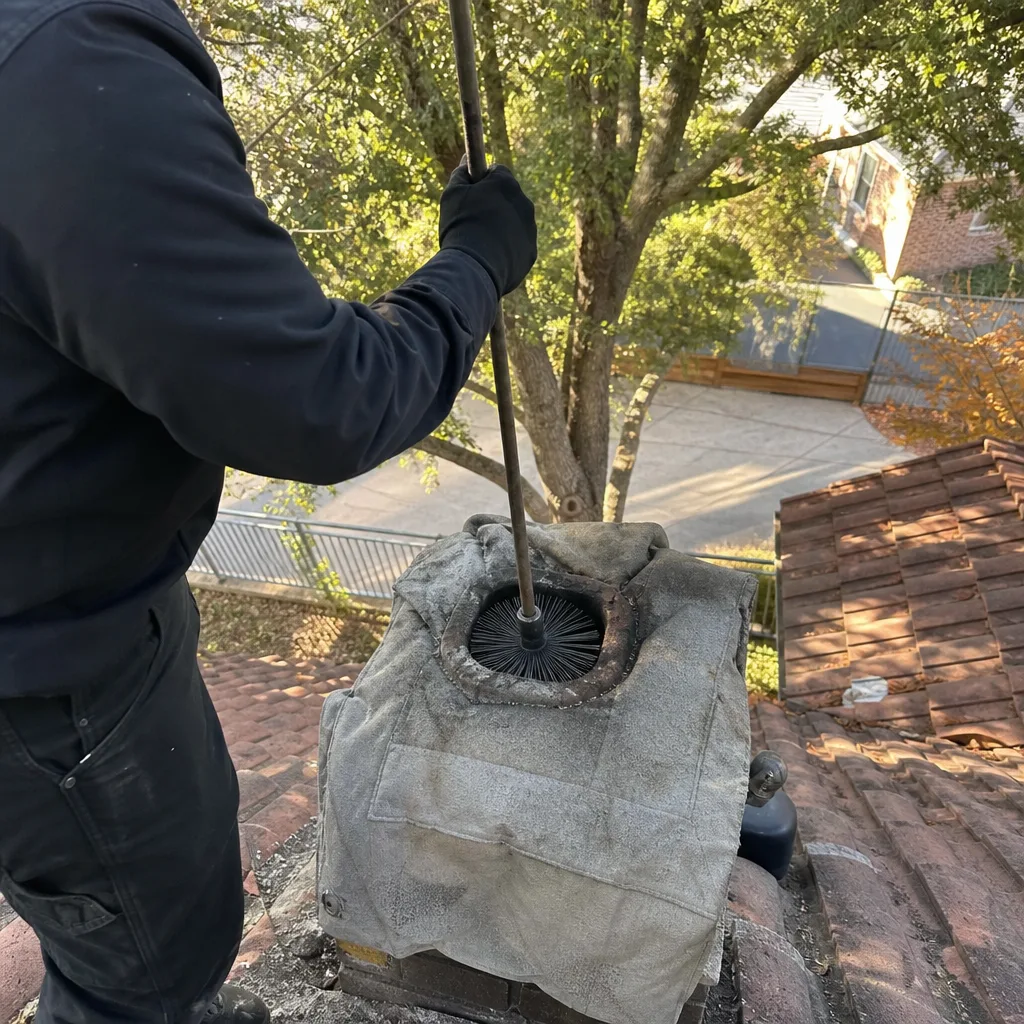
This is where most guides get the debate wrong. They compare cost ($80 in brushes versus $200-$400 for a professional sweep) and conclude DIY saves money. But cost isn’t the right axis. Documentation is - and our 2026 Fort Worth chimney cleaning cost breakdown explains what that documentation actually covers.
Here’s when documentation becomes critical:
- Real estate transactions. In Fort Worth’s hot market, buyers’ agents increasingly request a Level 2 inspection report. A seller who DIY-cleaned annually has no report to produce. The buyer orders their own inspection, finds issues, and renegotiates - or walks.
- Homeowner insurance claims. After a chimney fire, insurers ask for proof of maintenance. “I cleaned it myself” carries no weight without dated photos, written scope, and technician credentials.
- Fire marshal investigations. Tarrant County fire marshals document cause and origin. A professional sweep record establishes baseline condition; its absence invites scrutiny of negligence.
- Warranty claims on inserts or liners. Manufacturers like DuraFlex and Olympia Chimney require professional installation and documented annual maintenance to honor warranties.
At Level Two Chimney Fort Worth home, we’ve completed more than 38,000 inspections since 2009. Every one includes a written price before work starts and a documented photo record on completion - Clause 4 of the Haven Standard. That archive has resolved disputes, accelerated insurance claims, and verified warranty coverage for Fort Worth homeowners.
A DIY sweep produces no such record. The work happened, but it cannot be proven. In legal and financial terms, it’s as if it didn’t happen.
Equipment Reality Check: What It Costs to Match a Pro
Let’s price out what it takes to replicate a professional sweep’s capabilities, not just their basic cleaning.
| Item | DIY Cost | Professional Equivalent |
|---|---|---|
| Basic brush set (polypropylene, 4 rods) | $35-$55 | Included in service |
| HEPA vacuum for ash/soot | $80-$150 | Commercial-grade, included |
| Drop cloths, PPE, containment | $25-$40 | Included in service |
| Chimney inspection camera (basic) | $200-$400 | High-res articulating camera, included |
| Rotary cleaning system (for Stage 2+ creosote) | $300-$600 | Professional-grade, included |
| Combustible gas analyzer | $150-$300 | Included in Level 2 inspection |
| Total to match professional capability | $790-$1,545 | $200-$400 per sweep |
The camera is the critical gap. A $200 borescope from a hardware store shows you a dark, shaky image. A professional chimney camera has LED lighting, 90-degree articulation, and distance markers. More importantly, the technician operating it has seen thousands of flues and knows what “normal wear” versus “replace immediately” looks like on a DuraFlex liner versus a clay tile system versus a HeatShield-coated application.
Recording is not the same as interpreting. A homeowner can buy a camera and film their flue. They cannot, without years of training, reliably distinguish between glaze creosote that brushes off and pyrolyzed creosote that has reduced the flue’s safe operating temperature by 200 degrees. That distinction determines whether the chimney is safe to use tonight.
Creosote Stages: When DIY Makes Sense and When It Doesn’t
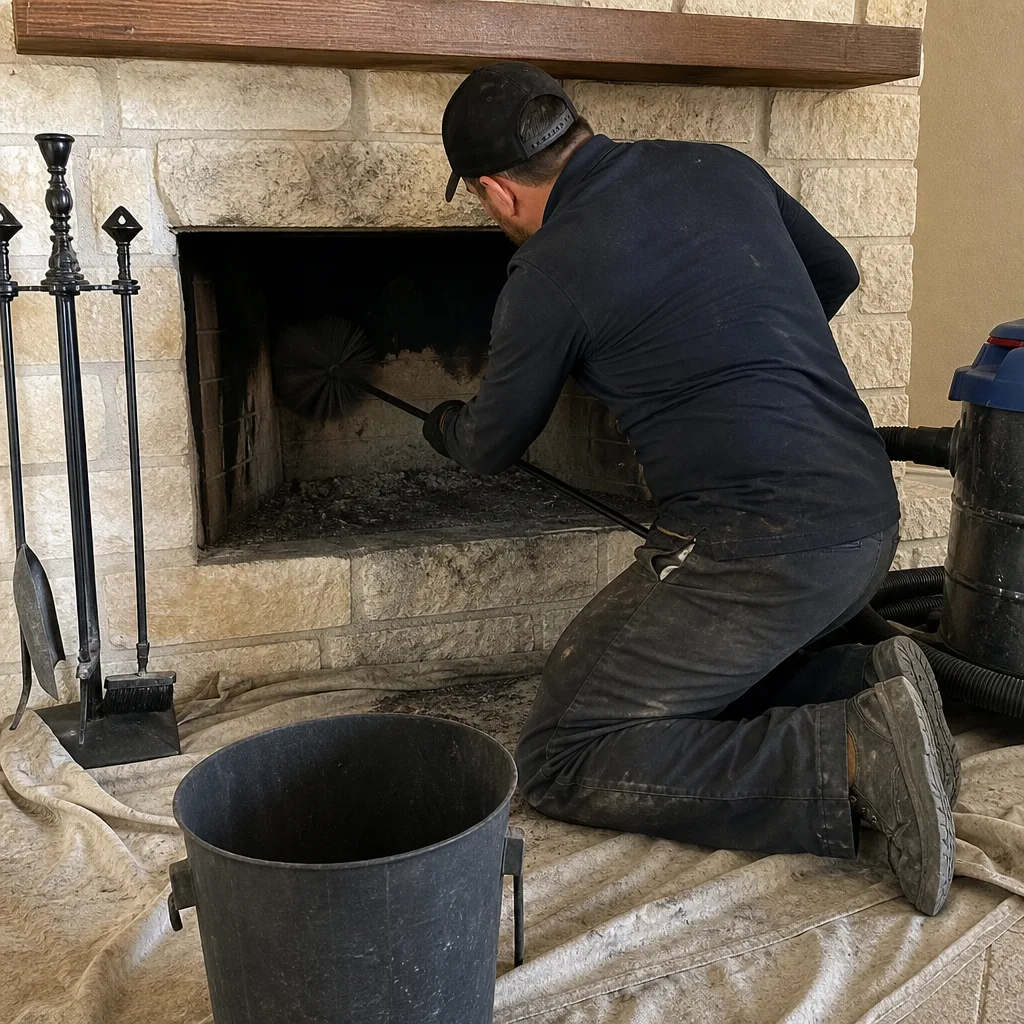
Creosote progresses through three stages. The stage determines whether DIY is reasonable, risky, or impossible.
Stage 1: Soot and flaky creosote. Light, dusty, or flaky black deposits. Brushes off easily with standard polypropylene brushes. This is the condition you’ll see after a season of weekend fires with dry hardwood. DIY is reasonable here, provided you’re on a straight masonry flue with no known damage.
Stage 2: Crunchy or tar-like deposits. Hard, porous, or honeycomb texture. Requires stiff wire brushes or rotary cleaning with chains or whips. The deposits adhere to the flue liner and won’t release with standard brushing. DIY is risky - aggressive brushing can damage clay tiles, and incomplete removal leaves hazardous buildup. In Fort Worth, where oak and pecan are common firewood choices, Stage 2 develops faster than many homeowners expect, especially with smoldering fires.
Stage 3: Glazed or hardened creosote. Shiny, rock-hard, enamel-like coating. Cannot be removed mechanically without damaging the flue. Requires chemical treatment (powdered creosote modifier applied over multiple fires, then professional removal) or in severe cases, liner replacement. DIY is impossible and dangerous to attempt. A chimney with Stage 3 creosote has already experienced conditions that may have compromised the liner’s integrity.
The only way to know your stage is to look. A flashlight from below reveals the first 3-4 feet. The upper flue, where most Stage 2 and 3 deposits form due to cooler temperatures, requires a camera. This is why Chimney Cleaning & Sweep in Fort Worth includes camera inspection as standard - not optional, not extra.
The Hybrid Approach: Between Professional Sweeps
There’s a middle path that respects both budgets and safety. We call it the documented hybrid, and it works like this:
- Annual professional sweep with Level 2 inspection. Establish baseline documentation. This is your black box. In Fort Worth, where burning season runs November through March, schedule this in early fall before the first fire.
- Mid-season DIY ash removal. Between professional visits, remove ash and light debris from the firebox. This improves efficiency and reduces acidic moisture buildup. Do not attempt flue brushing - you risk disturbing deposits that a professional already assessed.
- Visual checks after severe weather. Fort Worth’s spring storms and occasional ice events can damage crowns and caps. From ground level, binoculars can spot obvious crown cracks or missing cap sections. Document with dated photos for your records.
- Professional re-inspection before any real estate event. Even if your last sweep was four months ago, a fresh Level 2 inspection with current documentation protects your sale price.
This approach costs more than pure DIY but less than learning you’ve voided an insurance claim. The key discipline: never let your documentation gap exceed 12 months. Insurers and buyers’ agents look for continuous professional maintenance, not sporadic owner effort.
Fort Worth-Specific Factors: Climate, Codes, and Neighborhoods
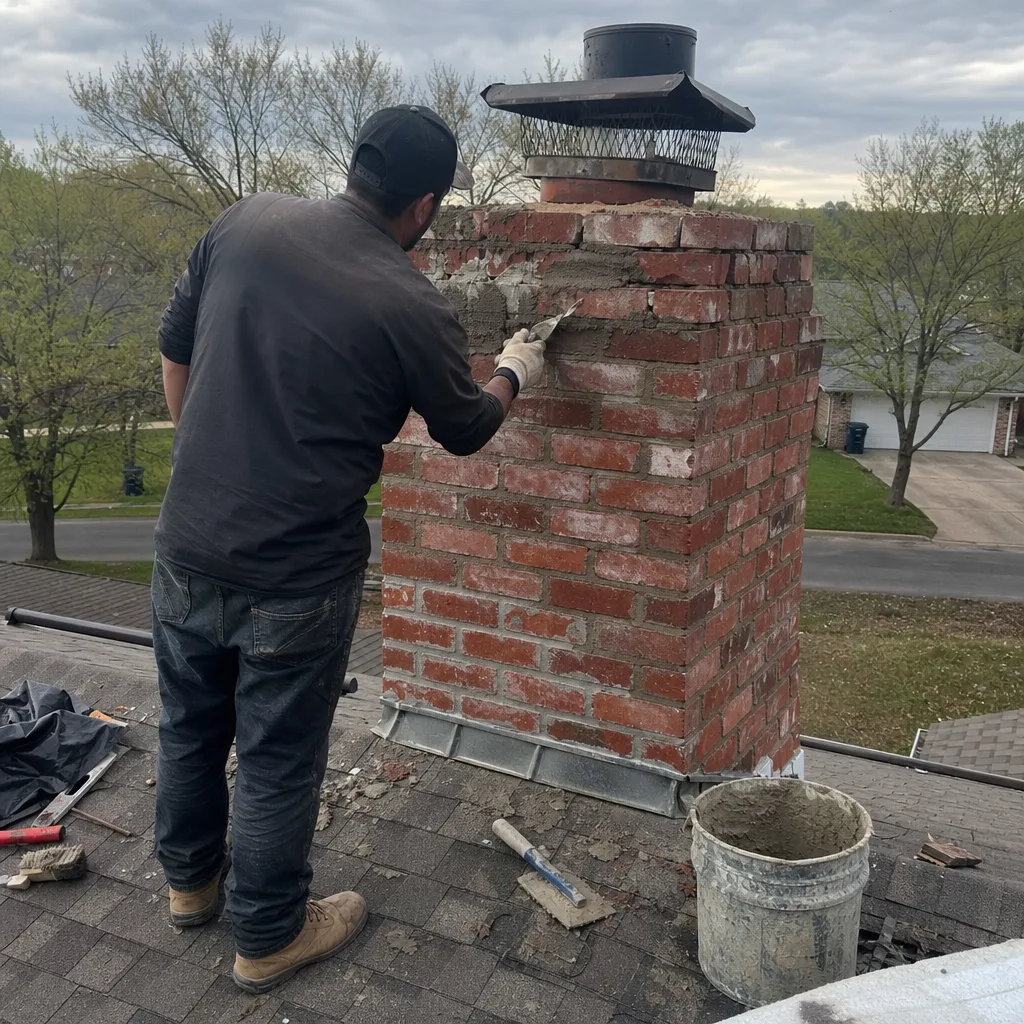
Local context changes the math on DIY versus professional cleaning.
Climate and burning patterns. Fort Worth’s mild winters mean many homeowners use fireplaces intermittently - weekend evenings, holidays, cold snaps. Intermittent use actually produces more creosote than daily use because the flue never reaches sustained high temperatures that would burn off light deposits. The result: Stage 1 creosote accumulates faster than expected, and homeowners who “only use it occasionally” are surprised by buildup.
Wind and debris. Our prevailing south winds carry cottonwood seed, pecan catkins, and construction dust into uncapped flues. A homeowner brushing creosote may not notice a partially blocked flue from debris above the smoke shelf. Professional sweeps check draft performance with a manometer; DIY relies on subjective “seems to draw okay.”
Neighborhood housing stock. In Mistletoe Heights, Arlington Heights, and the Cultural District, pre-war chimneys often have unlined brick flues or early clay tile installations that fail modern safety standards. In newer developments like Walsh, Westworth Village, and parts of Alliance, factory-built metal chimneys are common and require manufacturer-specific maintenance protocols. DIY guidance written for masonry chimneys can damage metal systems.
Local codes and enforcement. Fort Worth Fire Prevention Code adopts NFPA 211 by reference. While the city doesn’t mandate professional sweeping for single-family homes, the standard of care in civil liability cases follows NFPA guidance. A homeowner who deviates from documented professional maintenance assumes that liability personally.
Real estate disclosure requirements. Texas Property Code requires sellers to disclose known defects. A chimney with known creosote buildup or liner damage that the seller DIY-cleaned without documentation creates a disclosure dilemma: did they “know” of a defect they couldn’t properly assess? Professional inspection removes that ambiguity.
Common Mistakes to Avoid
- Using a brush that’s the wrong size or material. An oversized poly brush on a metal flue can damage the liner; a wire brush on clay tile can score and weaken it. Match the brush to the flue material, or don’t brush at all.
- Cleaning from the top down without proper roof safety. Fort Worth’s composite shingle roofs become slick with soot and creosote residue. Falls from single-story roofs cause serious injury annually. If you can’t work safely from a ladder with three points of contact, don’t attempt top-down cleaning.
- Assuming no smell means no problem. Odor indicates active creosote or moisture issues, but absence of odor doesn’t confirm safety. Carbon monoxide and draft problems are odorless.
- Skipping the smoke chamber. The area above the damper and below the flue liner is where many chimney fires start. It’s inaccessible to standard brushes from below and requires specialized tools most homeowners don’t own.
- Using household vacuums for soot. Standard shop vacuums expel fine particulate through their exhaust. Only HEPA-filtered vacuums designed for ash contain the silica and creosote particles that cause respiratory damage.
- Documenting with phone photos that lack context. A photo of your firebox proves you looked at it; it doesn’t prove condition, date, or professional assessment. Insurers and buyers’ agents dismiss amateur documentation.
- Waiting for visible smoke problems. By the time smoke backs up into the room, the hazard has progressed well past DIY scope. Slow draft, unusual odors, or visible creosote flakes in the firebox are earlier warnings.
When to Call a Professional
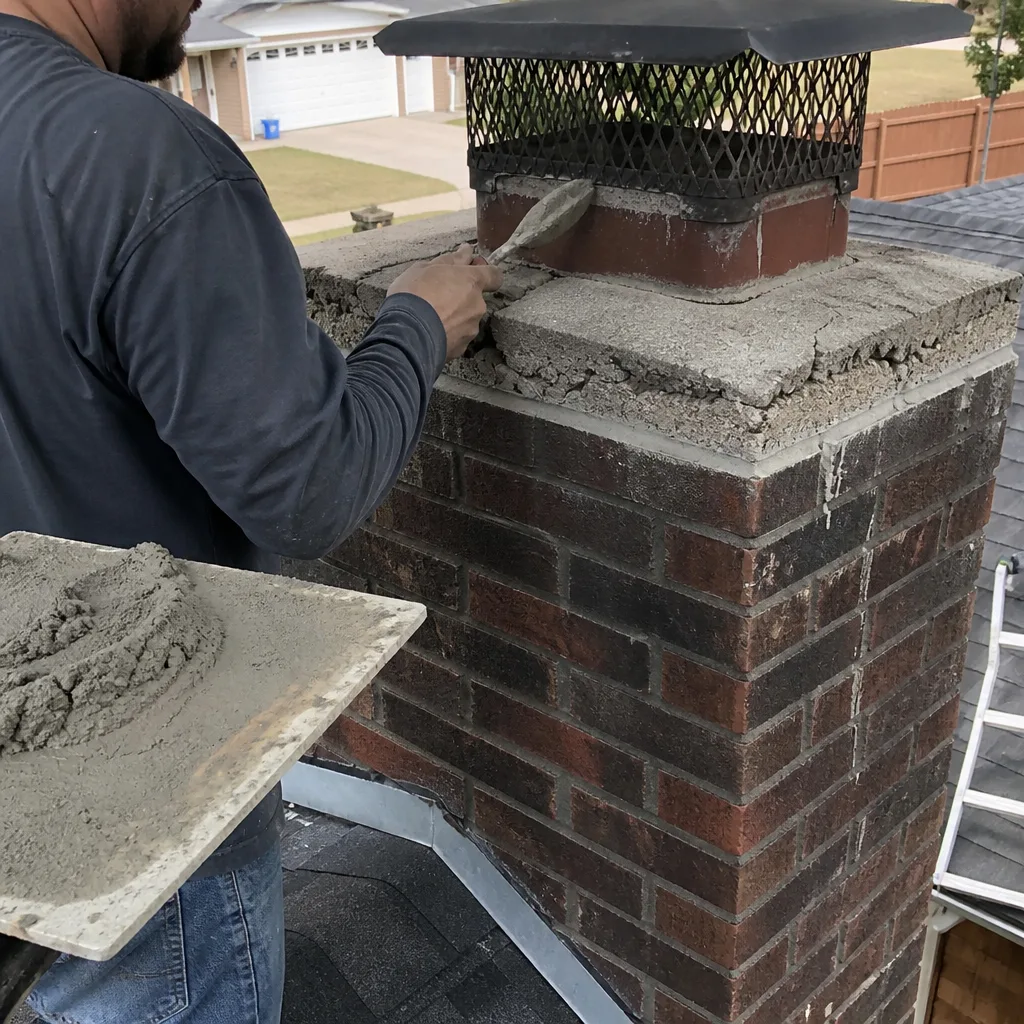
Call a professional sweep when: you haven’t had a Level 2 inspection in 12 months or more; you’re buying or selling a home in Fort Worth; you’ve changed fuel types (gas to wood, or adding a pellet insert); you’ve experienced a chimney fire, even a minor one; you see Stage 2 or 3 creosote; your chimney is metal, pre-fabricated, or has a flexible liner; or you’re installing a new appliance and need warranty-compliant documentation.
Level Two Chimney Fort Worth offers free estimates throughout Fort Worth and Tarrant County. Every estimate includes a written price, written scope, and written warranty before any work begins - Haven Standard Clause 1. Call (682) 499-2712 to schedule, or request a free second opinion on any competitor’s written quote.
Frequently Asked Questions
A standard chimney sweep with NFPA 211 Level 2 camera inspection in Fort Worth typically runs $200-$400 for a single-flue masonry chimney. Factory-built metal chimneys, multi-flue systems, or those requiring rotary cleaning for Stage 2+ creosote fall at the higher end. Level Two Chimney Fort Worth delivers a written price before any work starts - no exceptions, no surprises. Call (682) 499-2712 for an exact quote; estimates are free.
A damaged flue liner cannot be cleaned into safety. Cracks, gaps, or spalling (flaking) clay tile allow heat and combustion gases to reach combustible framing - a fire hazard no amount of creosote removal fixes. The only way to assess liner condition is with a camera inspection. If a competitor recommends liner replacement without showing you camera evidence, bring us their written estimate for a free second opinion.
NFPA 211 recommends annual inspection, with cleaning frequency determined by creosote accumulation, not calendar time alone. In Fort Worth’s climate, with intermittent use and varied firewood quality, most wood-burning chimneys need sweeping every 1-2 burning seasons. Gas fireplaces need less frequent cleaning but still require annual inspection for debris, moisture damage, and venting integrity. The 38,000+ chimneys we’ve inspected since 2009 show that “I burn clean wood” is a poor predictor of actual creosote buildup.
Three outcomes, in order of likelihood: reduced draft efficiency and smoke spillage into the home; chimney fire from ignited creosote deposits, which can reach 2,000°F and damage the liner or ignite adjacent framing; and carbon monoxide intrusion from blocked or damaged flues. The third is the least common and the most lethal. Skipping maintenance also voids manufacturer warranties on inserts and liners from brands like DuraFlex, Olympia Chimney, and Gelco. Call (682) 499-2712 if you’re behind schedule - we’ll assess priority without pressure.
Chimney cleaning logs contain chemical modifiers that dry and loosen light creosote deposits. They do not remove creosote - they alter its chemistry so subsequent brushing is more effective. They are not a substitute for mechanical cleaning, provide no documentation, and can worsen conditions if used on already-compromised liners. In our experience across Fort Worth, logs are best viewed as a between-sweep supplement, not a replacement for professional service.
Yes, though the scope differs. Gas fireplaces don’t produce creosote, but they accumulate dust, debris, and moisture that affect burner performance and venting. The vent system still requires inspection for blockages, corrosion, and proper draft. Ceramic logs degrade and can obstruct flame patterns. Fireplace Services in Fort Worth includes gas system inspection, burner cleaning, and vent integrity verification - with the same documented photo record as our wood-burning services.
The Bottom Line
DIY chimney cleaning in Fort Worth is technically feasible for Stage 1 creosote on straight, masonry systems in good repair. It costs $80-$150 in tools and demands moderate skill. What it cannot produce - and what increasingly matters - is the documented, professional record that insurers, buyers, and fire officials require. The hybrid approach (annual professional sweep with mid-season owner maintenance) balances cost and protection. For more guides & resources on keeping your chimney safe year-round, see our blog. For any chimney with Stage 2+ creosote, known damage, or a real estate transaction ahead, professional service isn’t an upgrade. It’s the baseline.
Level Two Chimney Fort Worth has operated under the Haven Standard since 2009. Every job includes a written price before work starts, a camera-scan inspection with documented photo record, and the 365-Day Done Right Promise. Materials from DuraFlex, HeatShield, and Olympia Chimney are procured through our buying network to keep customer prices honest.
Call (682) 499-2712 for a free estimate. Estimates include written scope and pricing - not a range, not a “starting at.” The price we write is the price you pay. Free second opinions available on any competitor’s written quote.
Written by Corrine Halstead, Owner at Level Two Chimney Fort Worth, serving Fort Worth since 2009.