
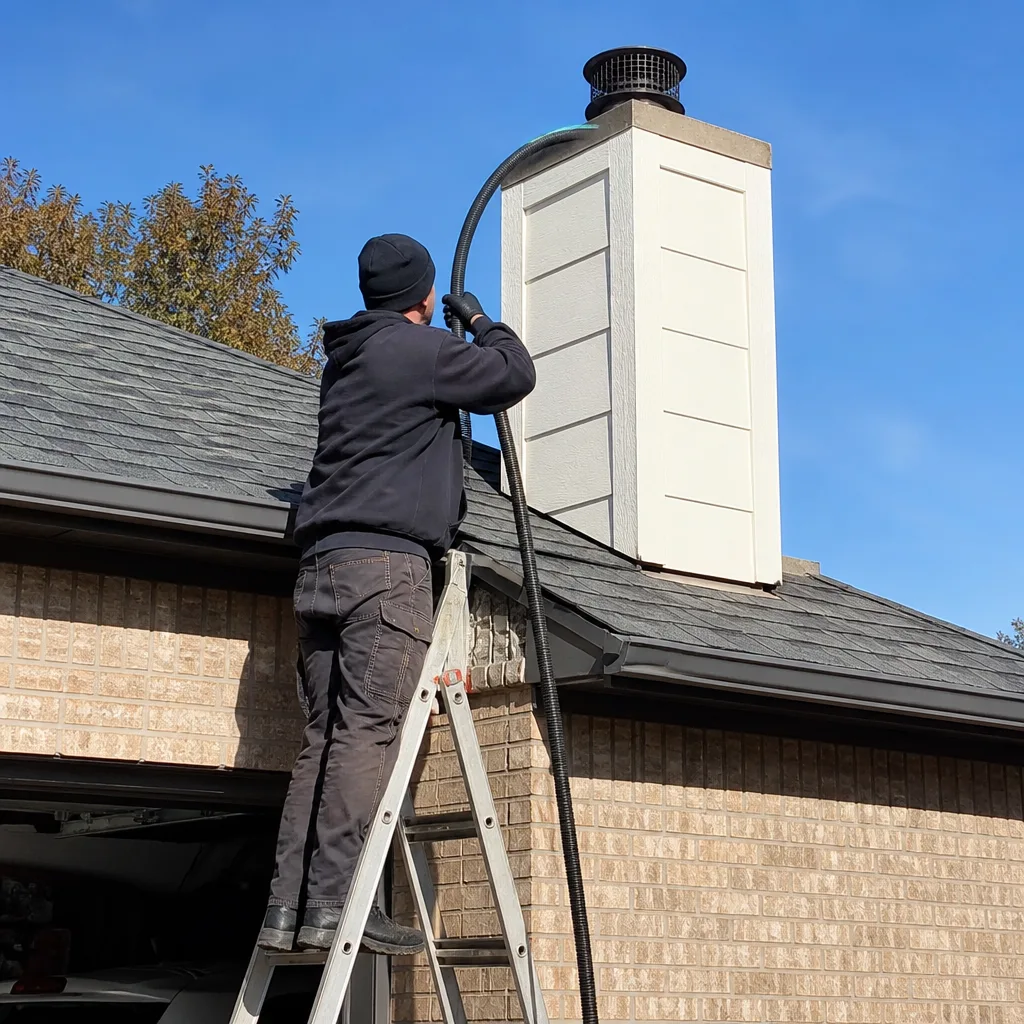
Level 1 sweep and inspection to the NFPA 211 annual standard - flue, crown, cap, and flashing checked and photographed
Chimney sweep logs do not sweep chimneys. They loosen some creosote - which then falls where a brush and vacuum still have to collect it.
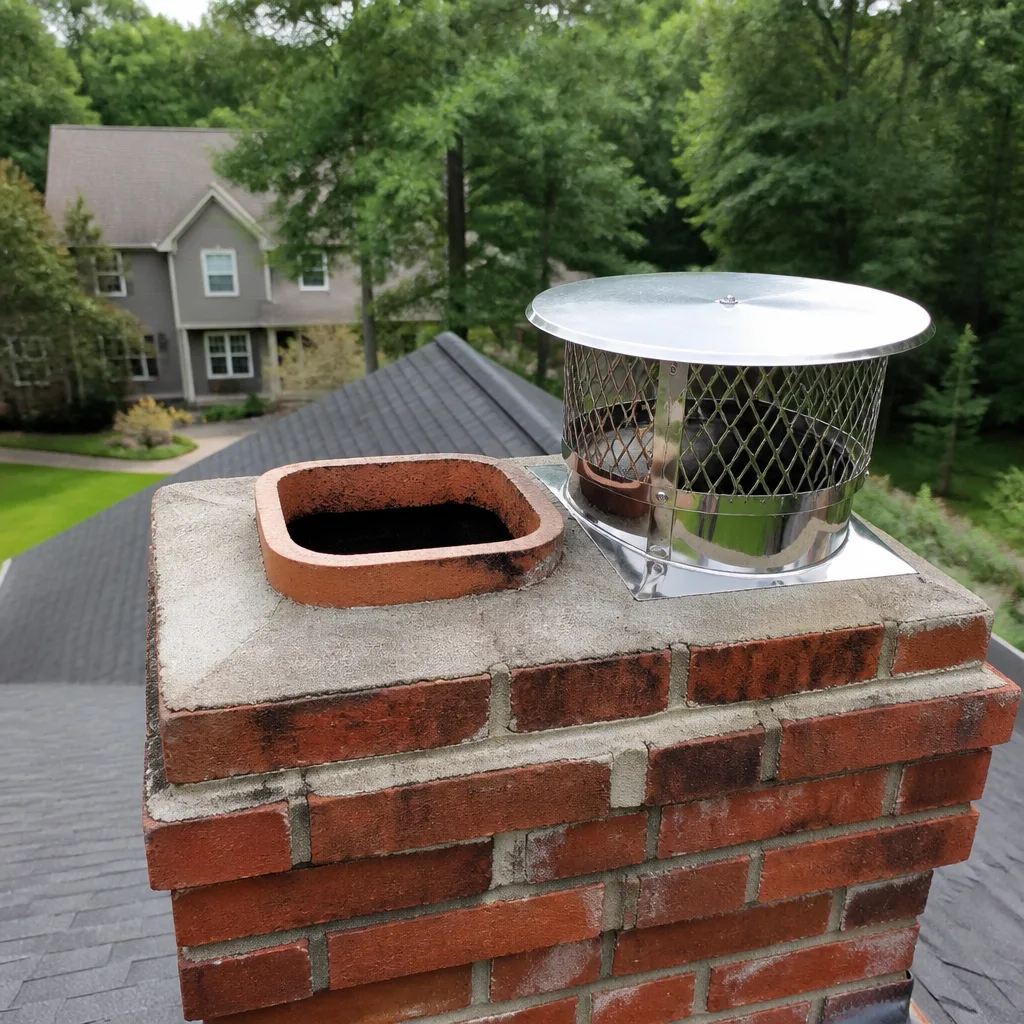
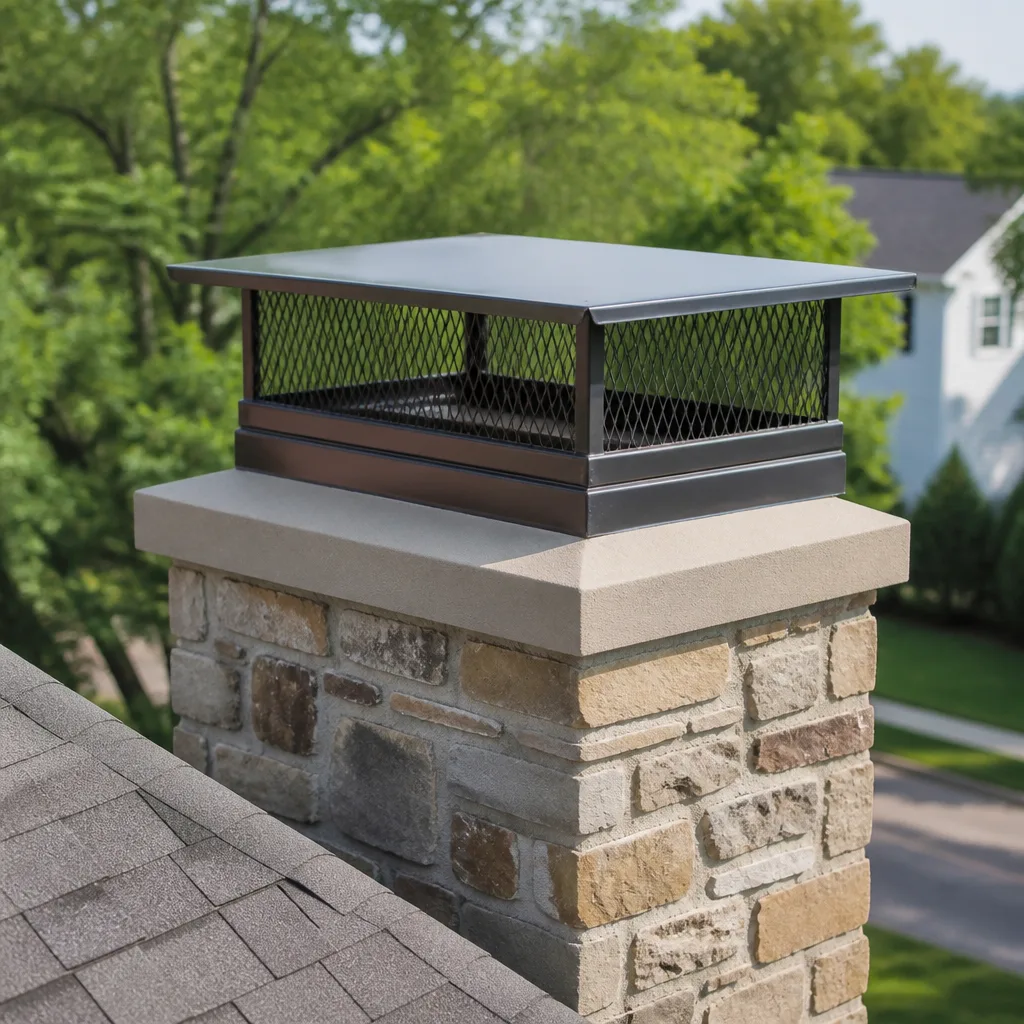
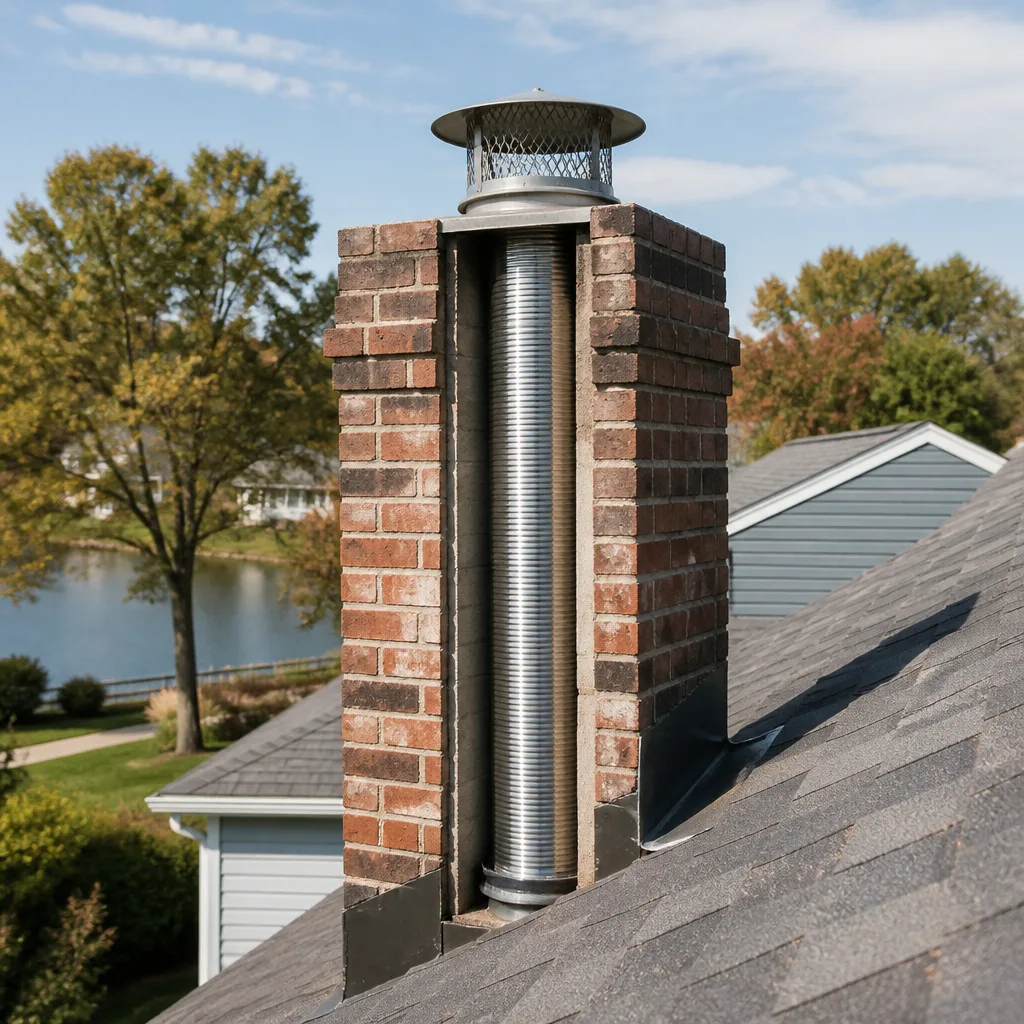
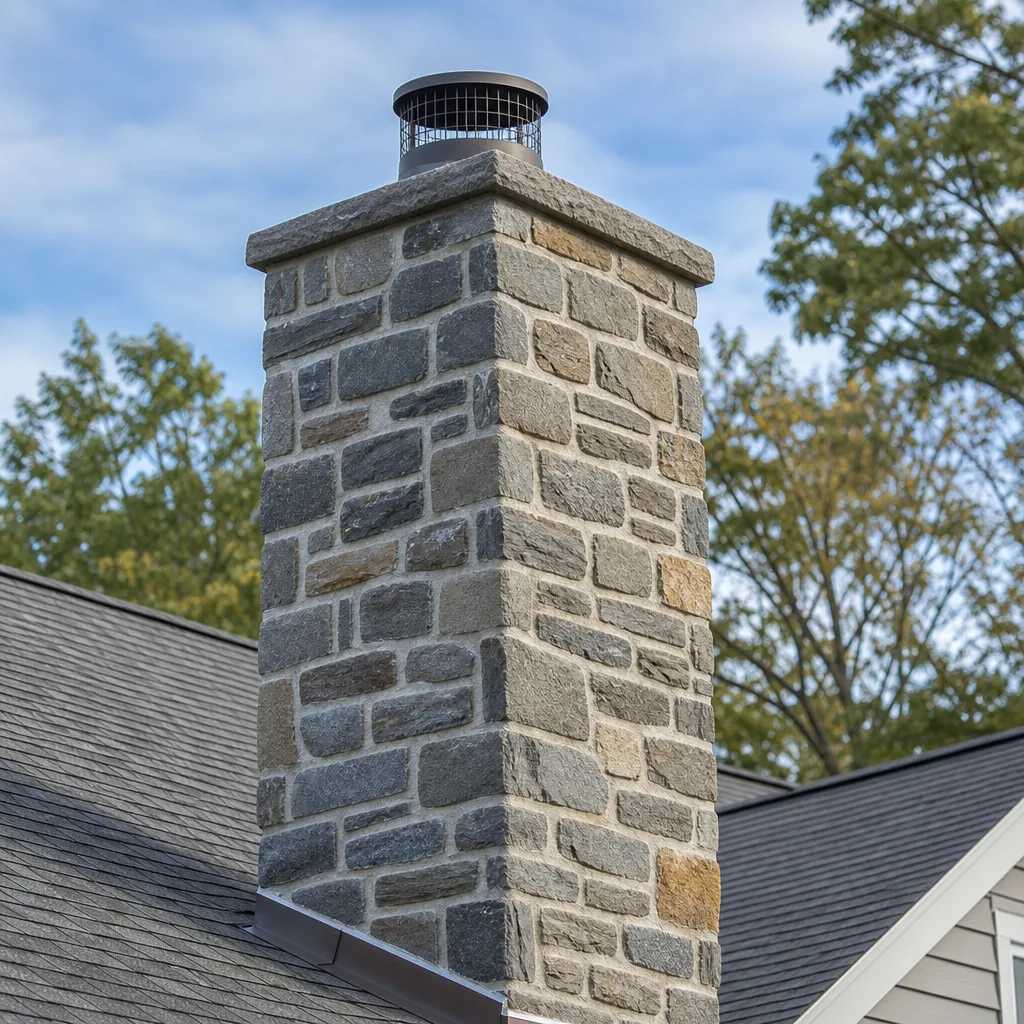
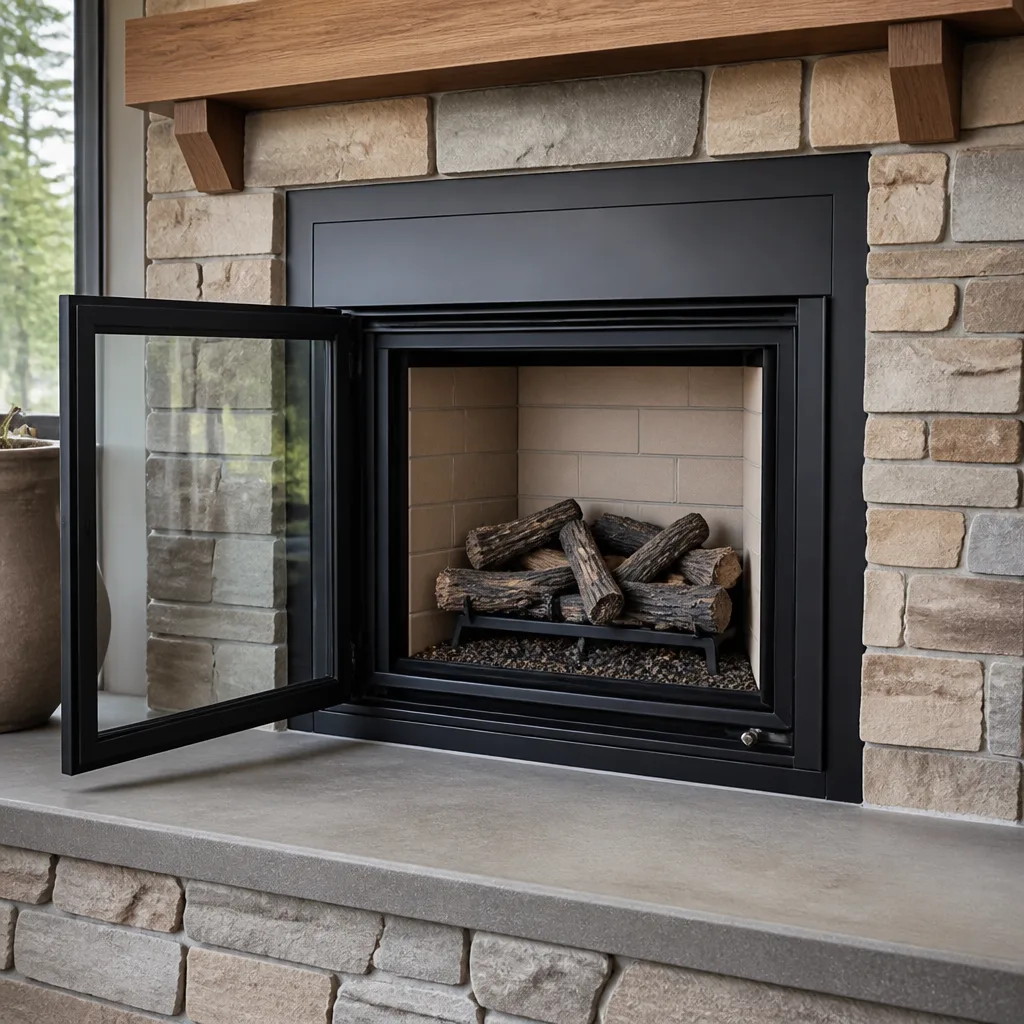
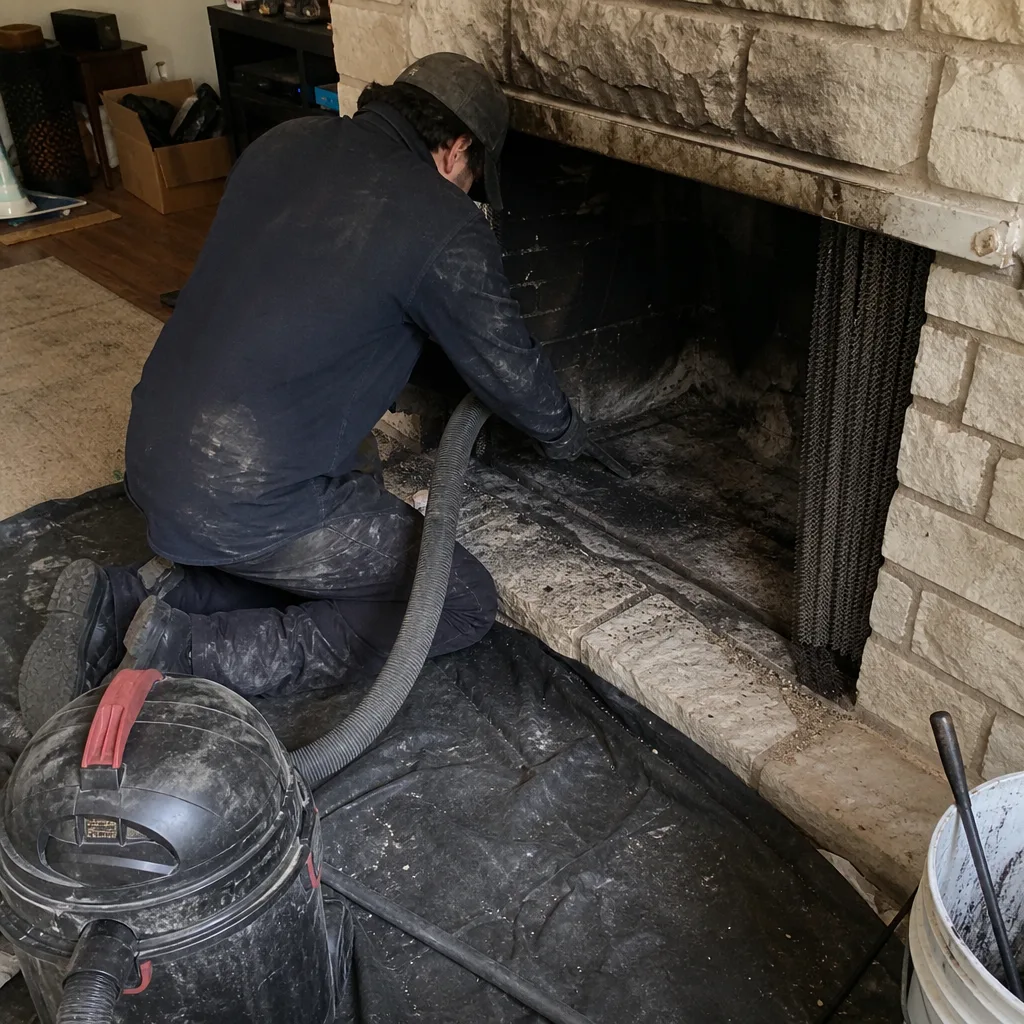 Before
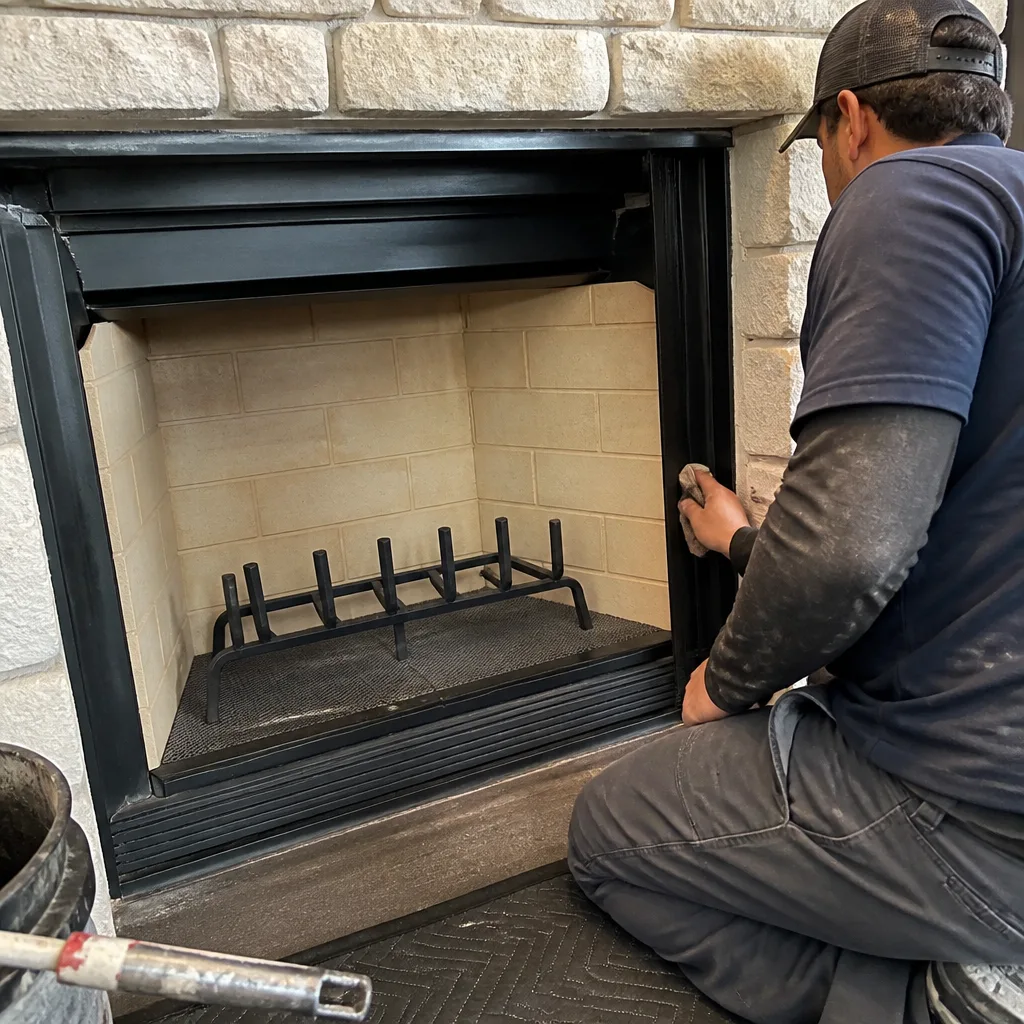 After
After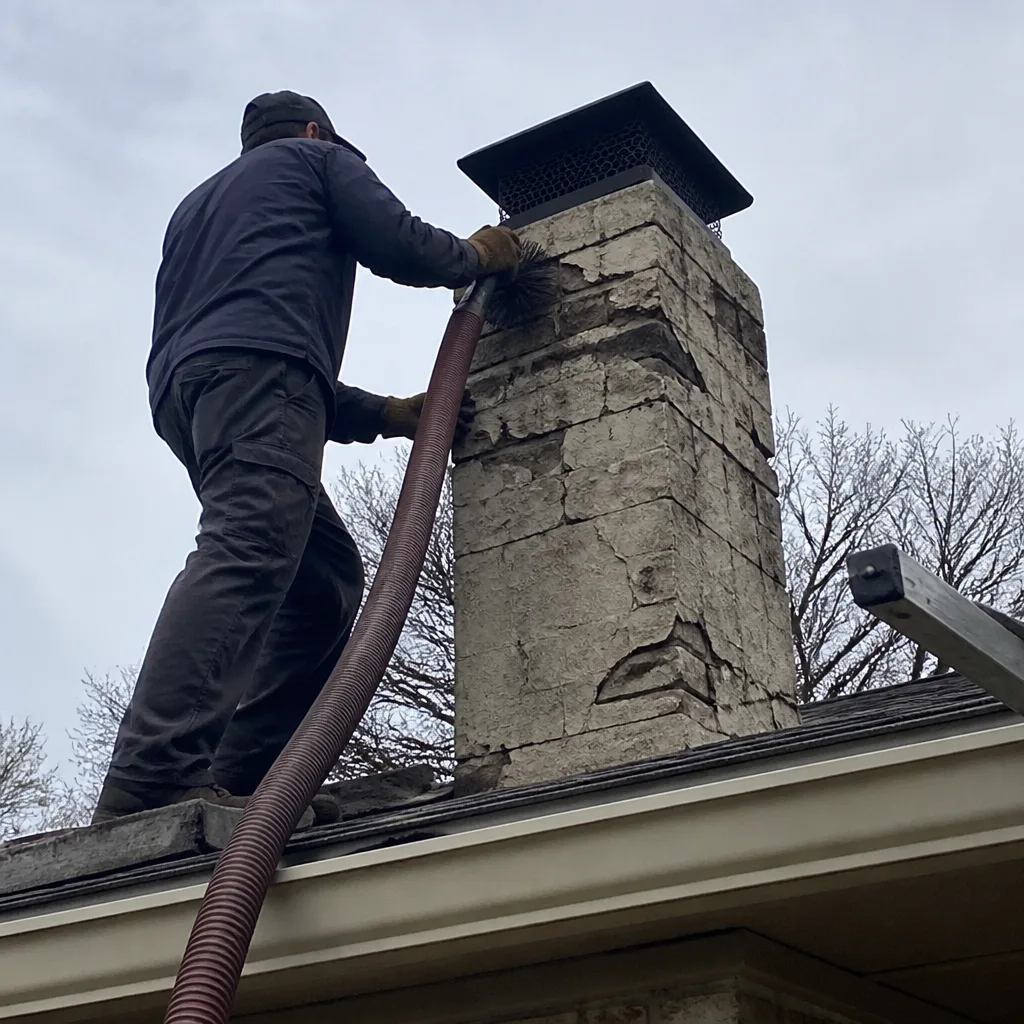 Before
 After
After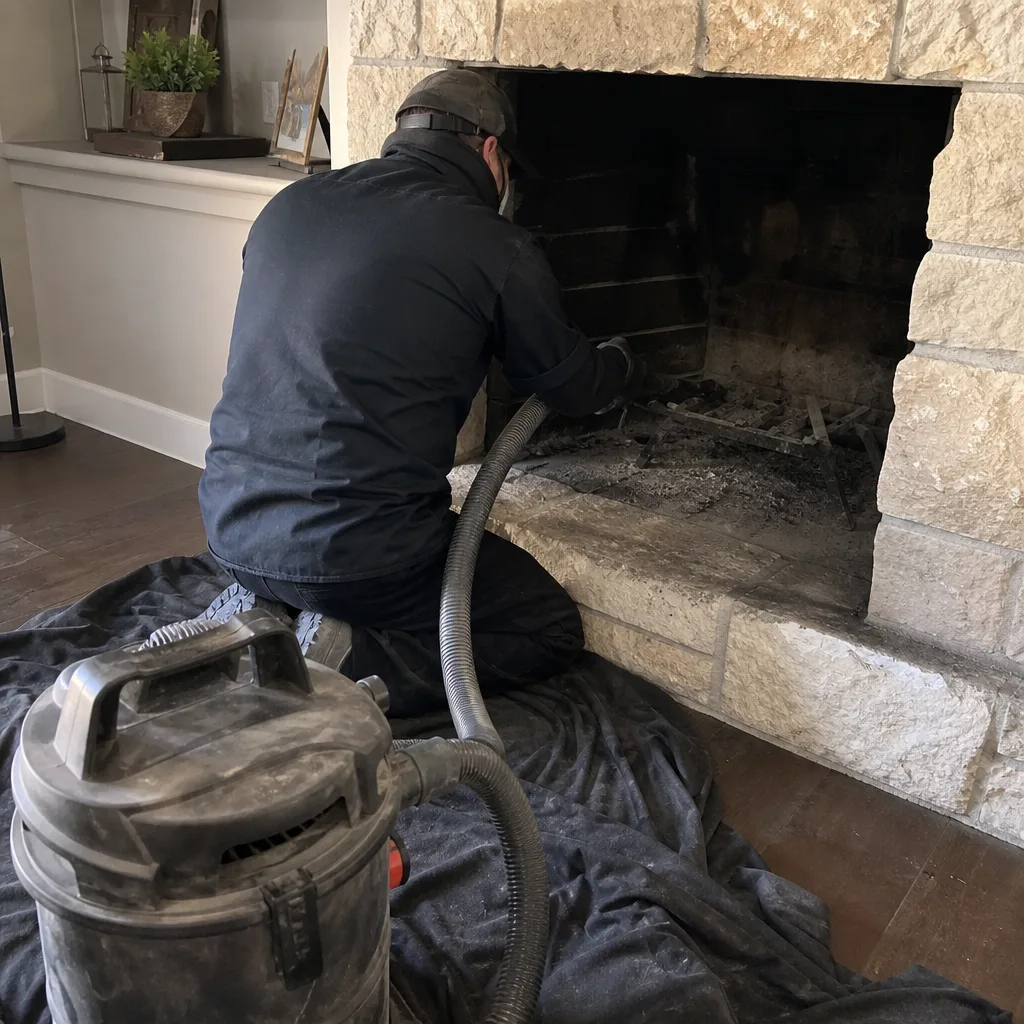 Before
 After
AfterCreosote Removal in Fort Worth, TX
Creosote removal in Fort Worth typically runs $150 to $800, depending on which of the three creosote classes is present and how much of the flue is affected. Most standard cleaning appointments address Class I deposits and fall on the lower end; Class II and Class III situations require specialized chemical treatments or mechanical removal and cost more. Level Two Chimney Fort Worth has documented and cleared creosote from more than 38,000 chimneys across the Fort Worth area since 2009 through our Chimney Cleaning & Sweep services – every job with a written price before work starts and a photo record when it’s done.
Creosote is the byproduct of incomplete combustion. Every fire you burn leaves some behind. In Fort Worth’s climate – where mild winters tempt homeowners to burn green wood or start fires in a cold, unprimed flue – the conditions that accelerate creosote buildup are more common than most people realize. The good news is that it’s a solvable problem when it’s caught and treated at the right stage.
If you want to know exactly what’s in your flue before anyone starts work, call us at (682) 499-2712. A live person picks up, seven days a week, and we’ll schedule a camera-scan inspection under NFPA 211 Level 2 standards. From there you get a written scope and a written price – not an estimate that changes once the tech is already in your home. Our Chimney Cleaning & Sweep in Fort Worth page covers the full scope of what every cleaning visit includes.
Understanding the Three Classes of Creosote
The trade classifies creosote in three stages, and the class determines the removal method. Knowing which one you’re dealing with is the entire point of the Level 1 Inspection and camera-scan we run before quoting any work.
- Class I (first-degree creosote): Loose, flaky soot. Brushes out during a standard chimney sweep. This is the normal result of a well-seasoned wood fire in a properly sized flue. Most Fort Worth fireplaces that get cleaned annually stay at Class I.
- Class II (second-degree creosote): A tar-like, hardened crust that clings to the flue liner. Standard brushes won’t clear it reliably. We use rotary mechanical tools and, where appropriate, chemical treatments – products like those in the Copperfield line – to break down the hardened layer before mechanical removal begins.
- Class III (third-degree creosote): A concentrated, shiny, almost glazed deposit that has been compressed and baked onto the liner wall over multiple burning seasons. This is the stage that creates serious chimney fire risk. Class III removal is a multi-step process, sometimes requiring two or more visits, and in some cases reveals liner damage underneath that needs to be addressed before the fireplace is safe to use again.
In Fort Worth’s older neighborhoods – Fairmount, Ryan Place, Mistletoe Heights – we regularly find Class II deposits in fireplaces that were used heavily during the colder months of 2022 and 2023 but haven’t had a Fireplace Cleaning since. The flues in those homes tend to be older clay tile liners, which are more textured than stainless steel and hold creosote more aggressively at the mortar joints.
When You Need Creosote Removal
- You smell something sharp or acrid when the fireplace isn’t in use. That’s often Class II or early Class III creosote off-gassing through small cracks or a poorly sealing damper. In Fort Worth’s warmer months, when attic temperatures climb well above 90 degrees, creosote in the flue can become volatile even without a fire burning.
- You see a dark, oily residue on the firebox walls or damper plate. When creosote migrates out of the flue and onto visible surfaces, it’s usually a sign the deposit inside is thick enough to overflow during temperature changes.
- You haven’t had the chimney cleaned in two or more burning seasons. If you burned more than two or three cords of wood over the last two winters – which is not unusual in Fort Worth homes with gas unavailable or preferred wood heat – annual cleaning is the minimum, not a luxury.
- You’ve noticed slower draft or smoke backing into the room. A thick creosote layer narrows the effective diameter of the flue and disrupts the column of rising air that draft depends on. This is especially common in Fort Worth during warm early-winter days, when the flue never gets cold enough to establish strong draft before a fire is lit.
- Your last inspection report listed Class II or Class III deposits. If another company gave you a written report noting second- or third-degree creosote, that’s an active fire risk. Class III creosote burns at temperatures above 2,000 degrees – hot enough to crack a clay liner in a single event.
- You heard popping or cracking sounds from the chimney during or after a fire. That’s sometimes the sound of creosote igniting inside the flue. It’s easy to dismiss as the house settling, but if it happened more than once, the flue needs a camera scan before the fireplace is used again.
 Before
 After
AfterOur Creosote Removal Process
- Camera-scan inspection before anything else. A technician runs a camera down the full length of the flue under NFPA 211 Level 2 protocol. We’re looking at the liner condition, the deposit class, and any pre-existing damage. You see the footage. We note every finding in writing. This step is what lets us give you an accurate written price – not a number that shifts when we “see what’s in there.”
- Written scope and written price delivered before work begins. Haven Standard Clause 1 requires it. You receive a written price, a written scope, and a written warranty before a single brush enters the flue. If you have a competitor’s written estimate, bring it – we offer a free second opinion on any written quote.
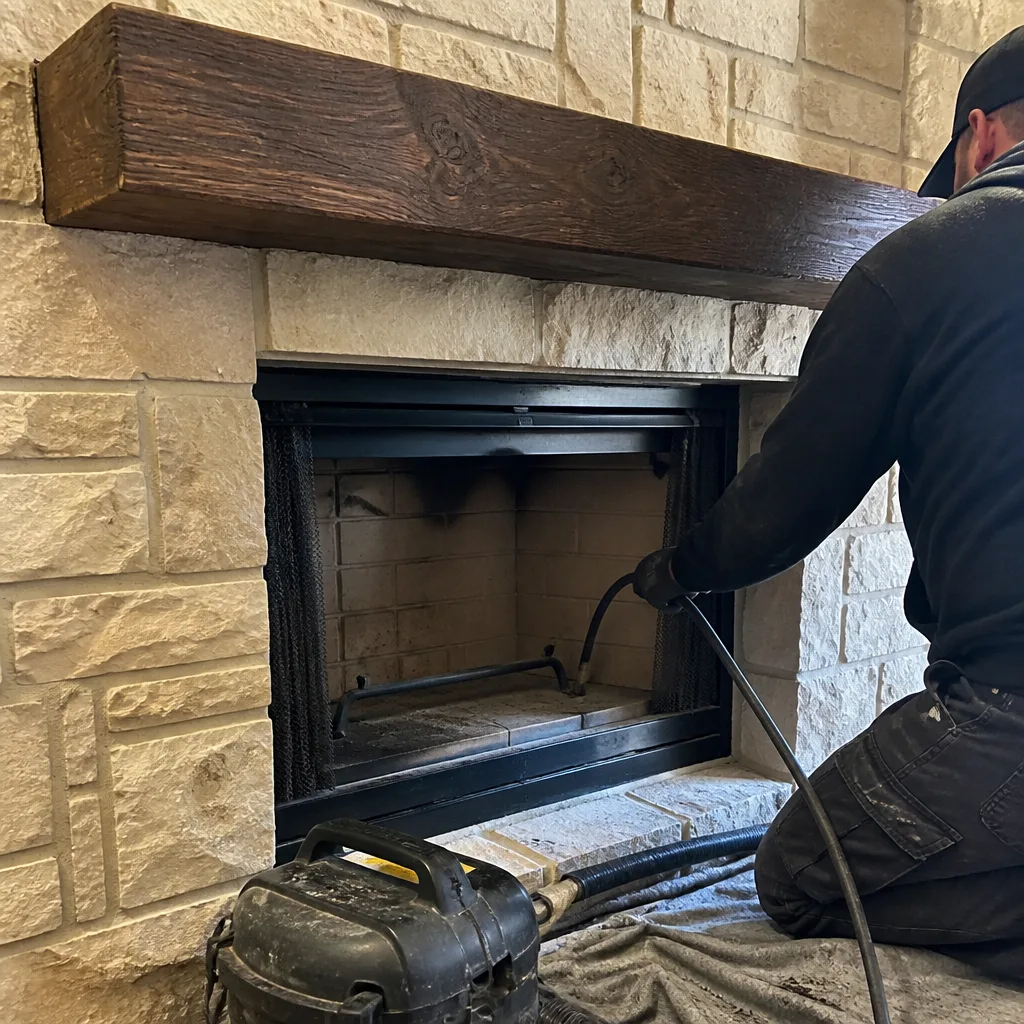
- Firebox and hearth protection. We drape and seal the firebox opening before removal begins. In Fort Worth homes, particularly in Westover Hills and TCU-Westcliff where original hardwood floors are common, creosote dust that escapes the firebox during cleaning is a real housekeeping problem. We contain it at the source.
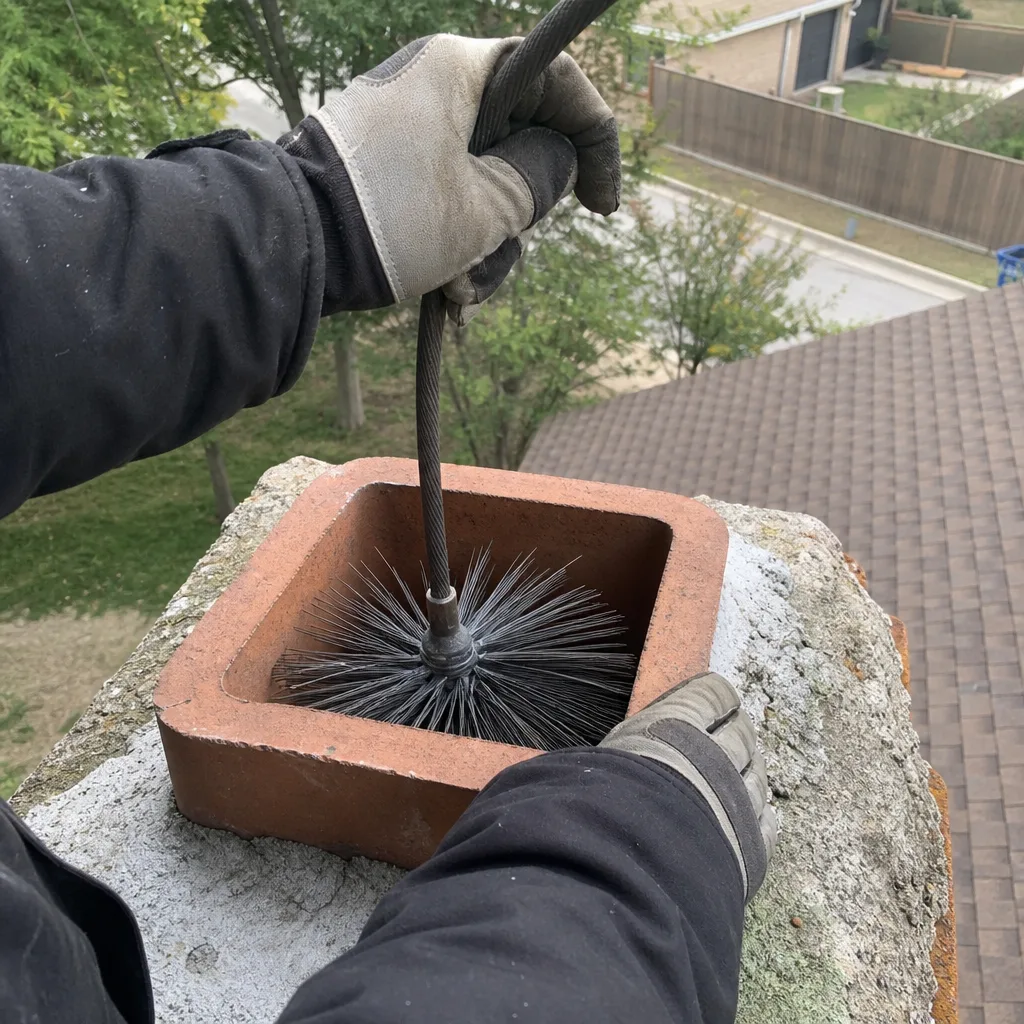
- Mechanical removal, chemical treatment, or both – matched to the class. Class I deposits are cleared with rotary brushes sized to the flue. Class II gets rotary mechanical tools plus, where appropriate, a chemical application to soften the tar crust before mechanical removal. Class III requires a more deliberate process: a chemical conditioning agent is applied first, sometimes left for a set period, then mechanical removal follows. We source chemical treatment products through Haven’s buying network specifically to keep material costs – and by extension your invoice – honest.
- Post-removal camera scan and documentation. When the flue is clear, the camera goes back down. We confirm the liner is intact, document the condition, and deliver a photo record. Haven Standard Clause 4 requires this on every job – it’s not an add-on. If the post-removal scan reveals liner damage that wasn’t visible under the deposit, we note it in writing and explain your options before any repair work is discussed.
- Cleanup and written summary. The hearth is cleaned, the protective draping comes down, and you receive a written summary of what was found, what was done, and what – if anything – to watch for before the next burning season. If the flue liner integrity looks marginal, we’ll say so plainly, with the camera image to back it up.
Creosote Removal Pricing in Fort Worth
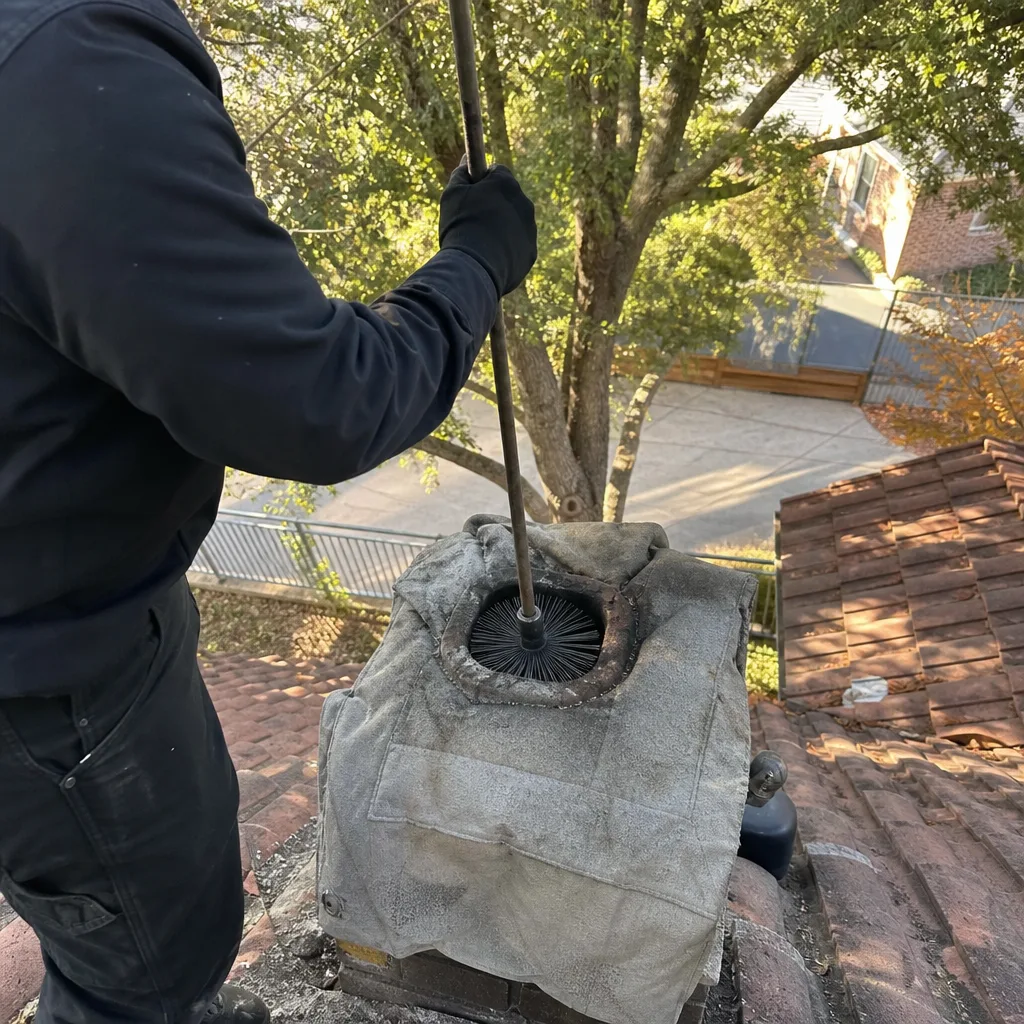
Creosote removal in Fort Worth runs $150 to $800 for the majority of residential jobs. Here’s how that range breaks down by situation:
| Situation | Typical Price Range |
|---|---|
| Class I creosote (standard annual cleaning) | $150 – $280 |
| Class II creosote (mechanical removal, single flue) | $280 – $450 |
| Class II with chemical treatment added | $380 – $550 |
| Class III creosote (multi-step, single flue) | $500 – $800 |
| Class III with follow-up visit required | $700 – $1,100+ |
Several factors move the number within those ranges for Fort Worth jobs specifically:
- Flue height and configuration. Fort Worth has a mix of single-story ranch homes in areas like Wedgwood and two-story Craftsmans in Fairmount. Taller flues take longer to clear and document.
- Liner material. Older clay tile liners (common in homes built before 1980) tend to hold Class II deposits more stubbornly at the mortar joints. Stainless steel liners from a previous reline clear faster.
- Number of fireplaces and flues. Some Fort Worth homes have two or three flues – a primary fireplace, a second fireplace, and a water heater or furnace vent sharing the same chimney chase. Each flue is priced separately.
- Pre-existing liner damage. If the camera scan finds cracked tiles or open mortar joints under the creosote, liner repair or relining may need to happen before or alongside removal. We price those separately and in writing before any additional work begins.
The written price you get before work starts is the price on the invoice when the job is done. No adjustments after the fact. If the post-removal scan turns up something that changes the scope, we stop, show you what we found, and give you a revised written quote before we proceed.
Call (682) 499-2712 to schedule the camera-scan inspection. Estimates are free, and a live person answers.
FAQs – Creosote Removal
How much does creosote removal cost in Fort Worth?
Creosote removal in Fort Worth typically costs between $150 and $800 for a single flue, depending on the creosote class. Class I (loose soot) falls in the $150-$280 range and is handled during a standard cleaning appointment. Class II (hardened tar) runs $280-$550 with chemical treatment included. Class III (glazed deposits, significant fire risk) starts at $500 and can exceed $1,000 if a follow-up visit is needed. The written price is delivered before work begins – not after the technician has already opened your flue. Call (682) 499-2712 for a free on-site estimate with camera scan included.
Is Class III creosote dangerous, and can it be removed without replacing the liner?
Class III creosote is a documented fire hazard. It ignites at temperatures above 2,000 degrees Fahrenheit – enough heat to crack a clay tile liner or damage the surrounding masonry in a single chimney fire. Whether it can be removed without replacing the liner depends on what the camera scan finds underneath. In many Fort Worth homes, the liner is intact under the deposit and removal alone resolves the immediate risk. In others, particularly in homes built in the 1960s and 1970s with original clay tile, the deposit has been masking cracked tiles that need repair or relining before the fireplace is safe. We tell you exactly what’s there before quoting any additional work.
How often should Fort Worth homeowners have creosote removed?
For a Fort Worth fireplace burning two to three cords of seasoned hardwood per season, an annual cleaning is the right interval – typically scheduled in late summer or early fall before the first fire of the year. Homeowners who burn less frequently, or who use a gas insert rather than wood, can extend that to every other year with a camera scan in between. The real answer depends on what the inspection finds. We’ve gone into Fort Worth homes in Como and Bluebonnet Hills that were “cleaned last year” and found Class II deposits because the previous sweep was a visual-only, no-camera inspection that missed a section of the upper flue. The camera tells you what’s actually there.
Can I remove creosote myself with store-bought products?
Store-bought creosote chemical treatments – the kind sold at hardware stores – can help reduce Class I deposits between professional cleanings, but they are not a substitute for mechanical removal of Class II or Class III creosote. The chemistry works by making the deposit more brittle, which helps it fall as ash, but that ash still needs to be cleared from the flue and the firebox. For Class II and Class III, the deposit is often thick enough that chemical treatment alone leaves significant material on the liner wall. More critically, creosote removal in a Class II or III situation requires a camera scan to confirm the liner is intact after removal – something no store-bought product can tell you. High-tension chimney cleaning equipment in a confined flue is also genuinely dangerous to operate without training. We recommend calling a qualified sweep for anything beyond maintaining a flue you already know is clean.
Why Fort Worth Homeowners Choose Level Two Chimney Co.
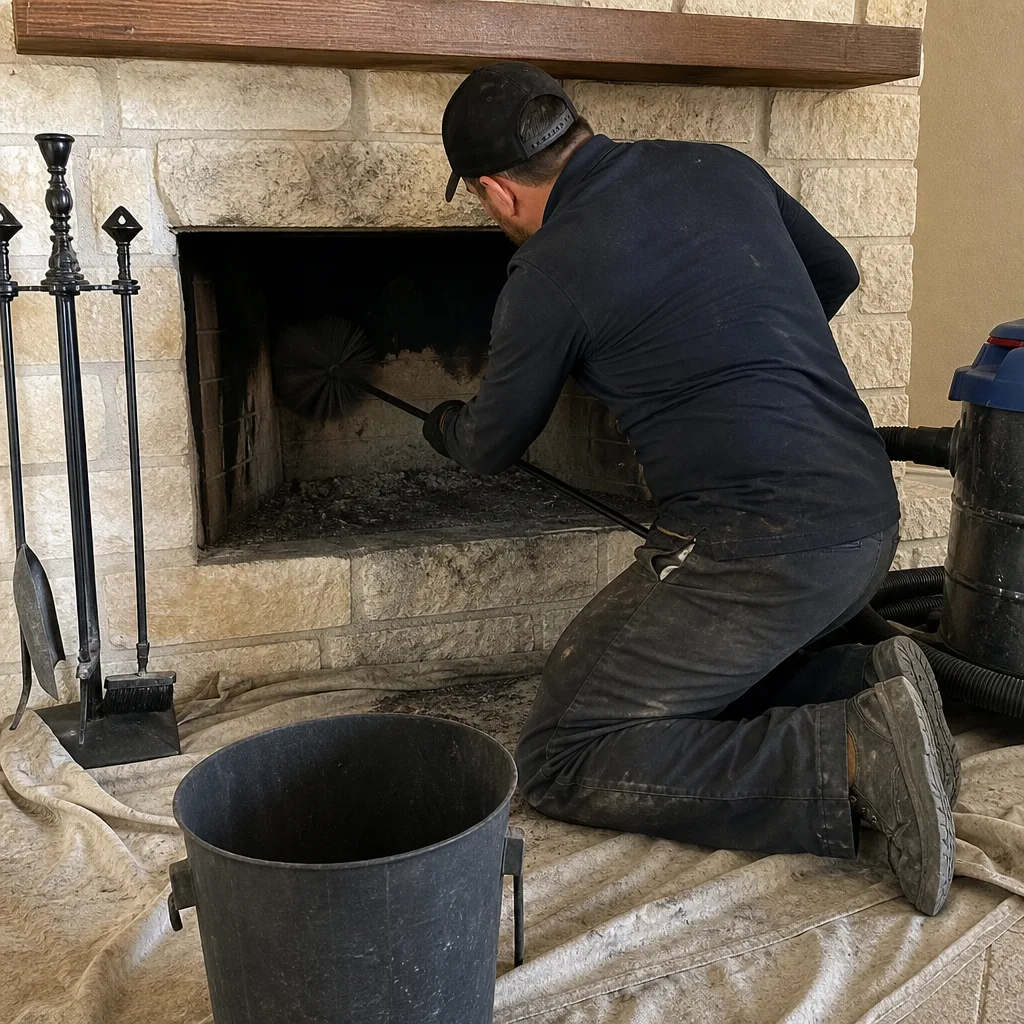
The name is a description of the work. NFPA 211 Level 2 Inspection – camera down the flue, written documentation, a record you can produce for your insurance company or a future buyer – is the baseline we work to on every visit, not an upgrade tier. Corrine Halstead built Level Two Chimney Fort Worth on that standard in 2009, and the practice of camera-scan documentation became Clause 4 of the Haven Standard years before insurers began requiring it.
Over 38,000 inspections and cleanings completed in the Fort Worth area since then. Every one with a written price before work started. Every one with a documented photo record when it was done. The 365-Day Done Right Promise is stamped on every job: if it’s not done right, we come back and make it right.
Background-checked, uniformed technicians. A named tech assigned to your appointment. A text when they’re on the way. A live person on the phone at (682) 499-2712 any time you call – not a voicemail, not a web form.
If another company has already given you a written estimate for creosote removal, bring it. We’ll give you a free second opinion on any written quote. And if your only contact with a chimney company so far has been a phone call with a number that sounded low, ask them to put it in writing – then call us and compare.
Visit our home page to see the full scope of what Level Two Chimney Fort Worth covers, or call (682) 499-2712 to schedule your camera-scan inspection and get a written price before anyone starts work.
Written by Corrine Halstead, Owner at Level Two Chimney Fort Worth, serving Fort Worth.