
Last updated September 22, 2026
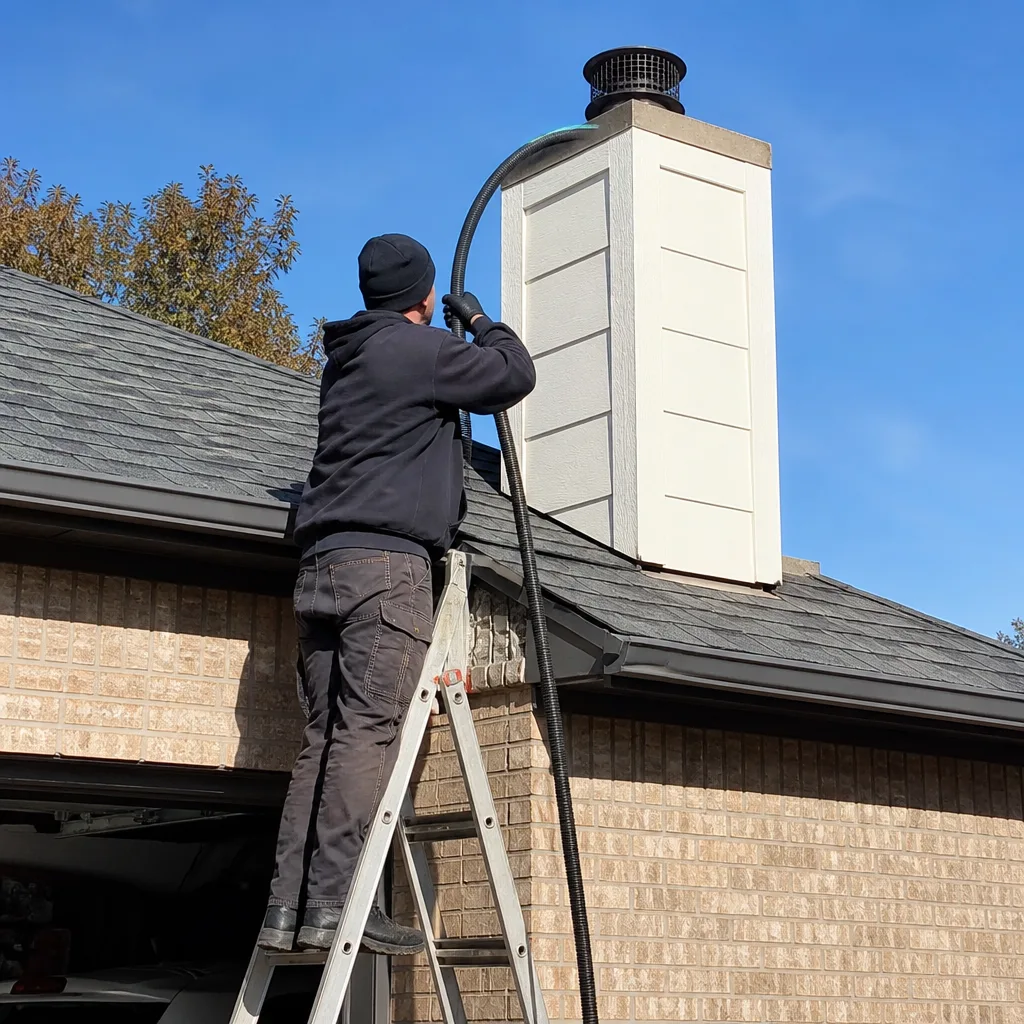
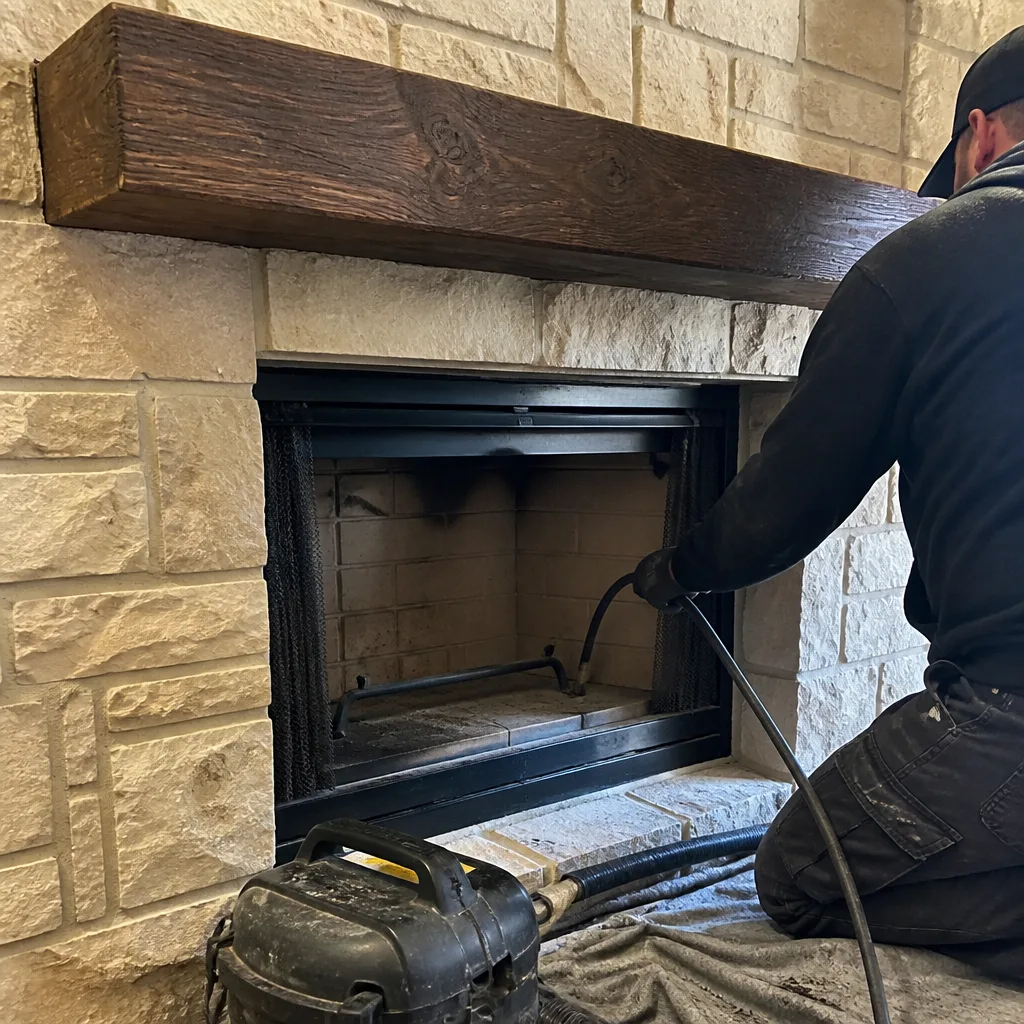
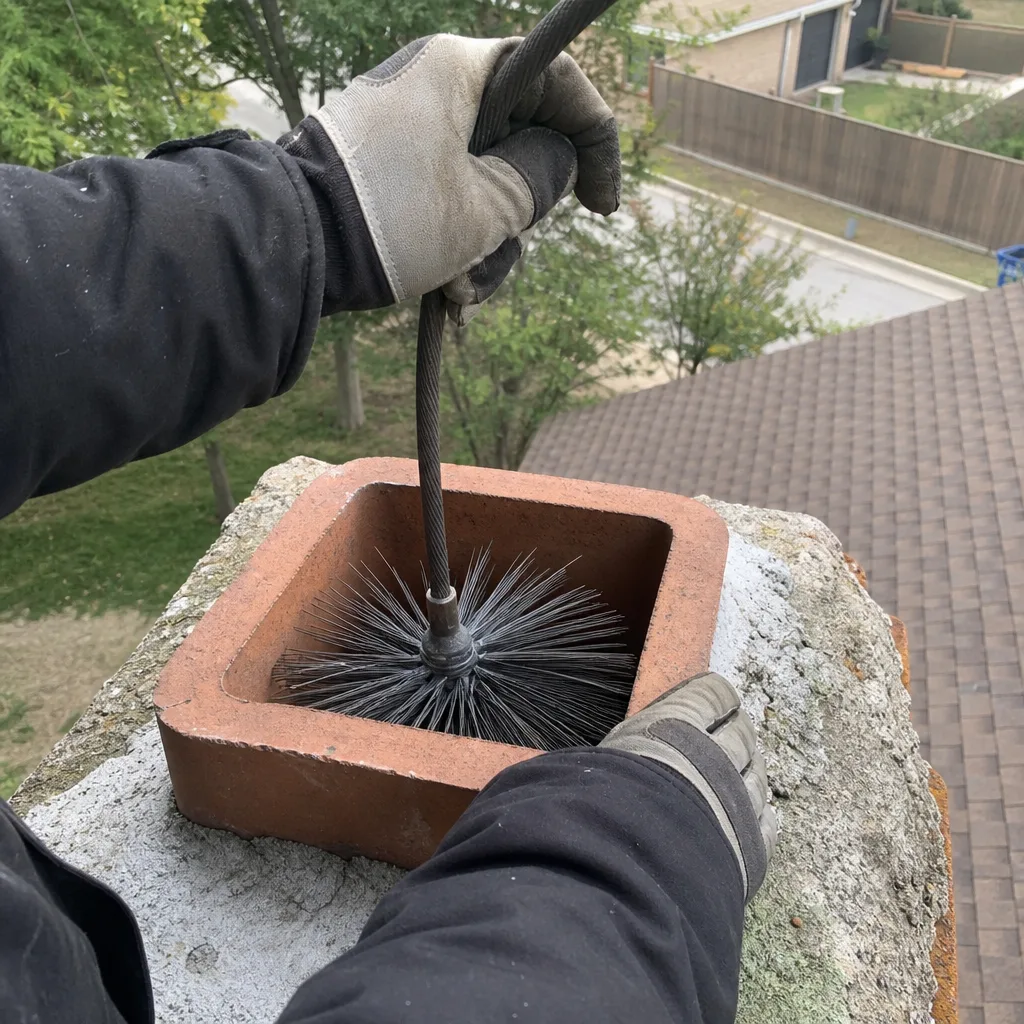
Level 1 sweep and inspection to the NFPA 211 annual standard - flue, crown, cap, and flashing checked and photographed
Chimney sweep logs do not sweep chimneys. They loosen some creosote - which then falls where a brush and vacuum still have to collect it.
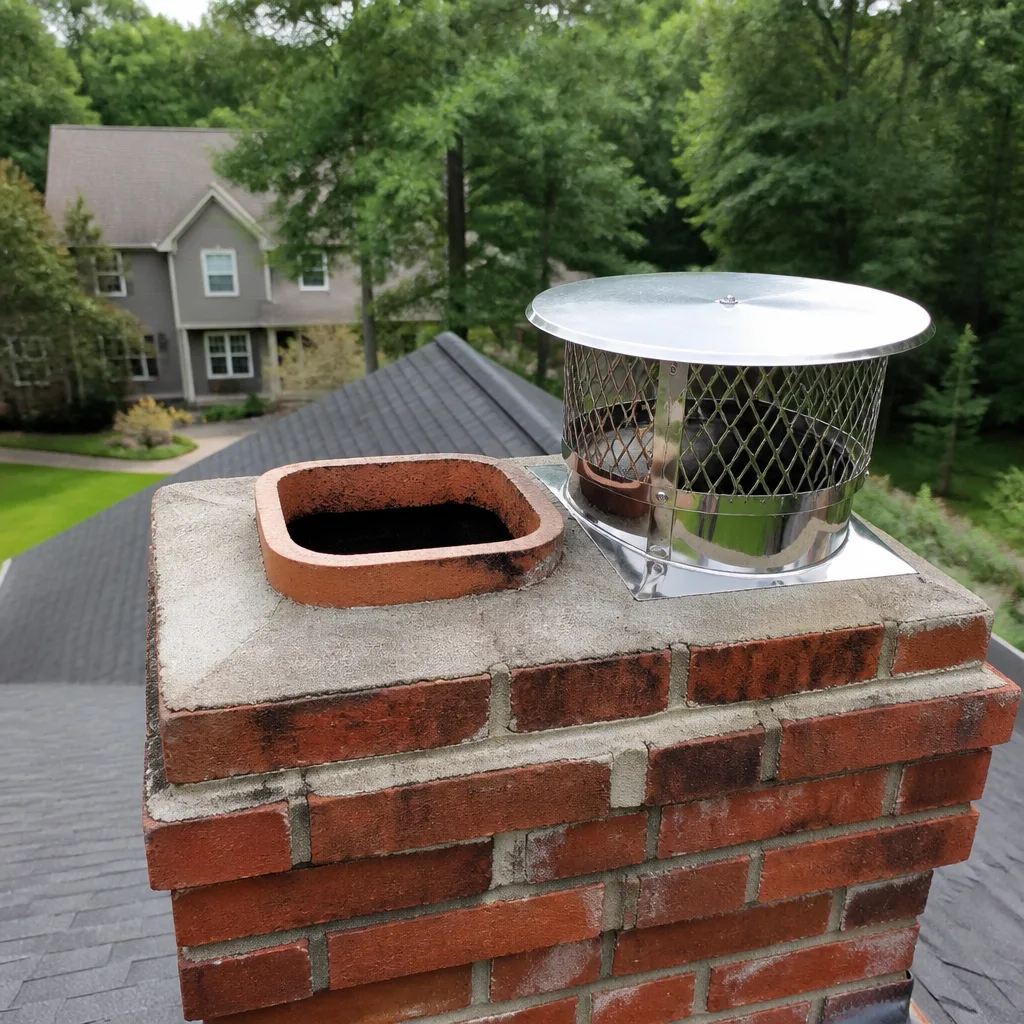
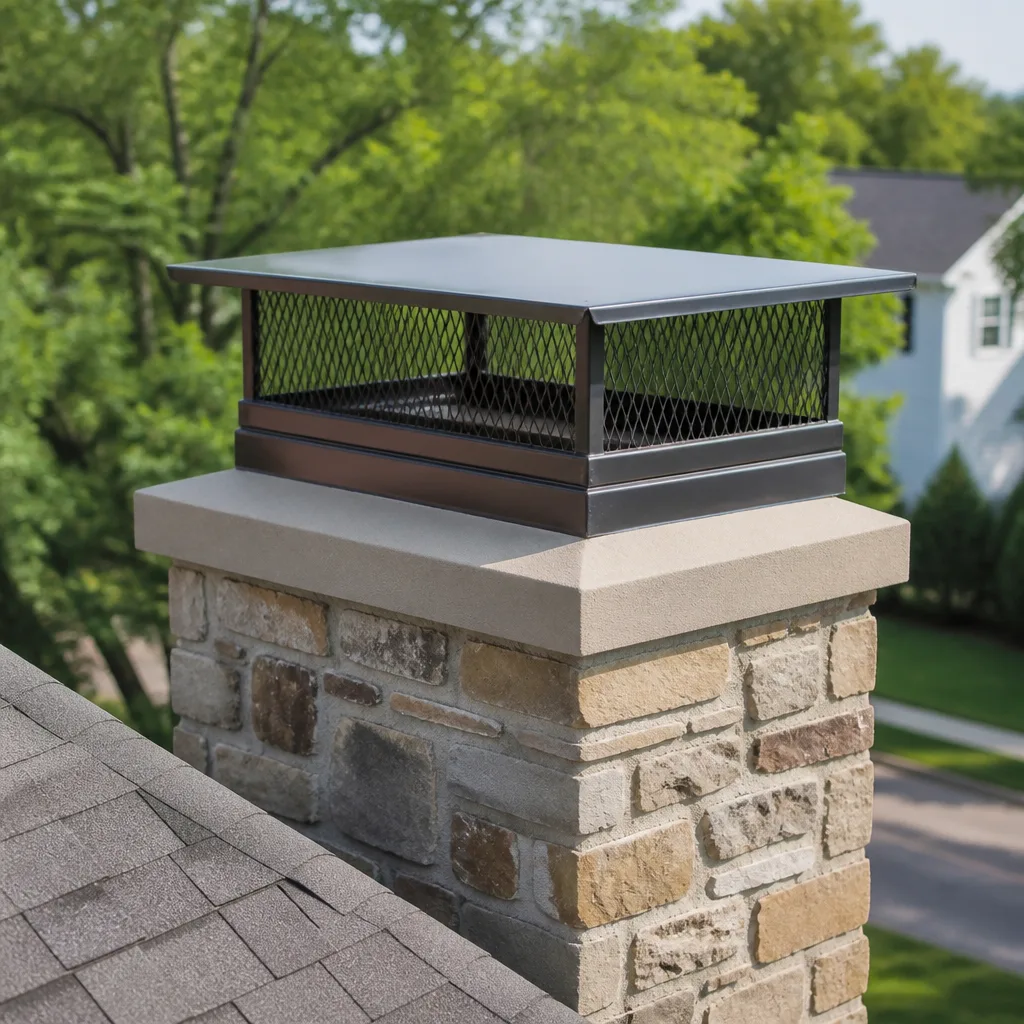
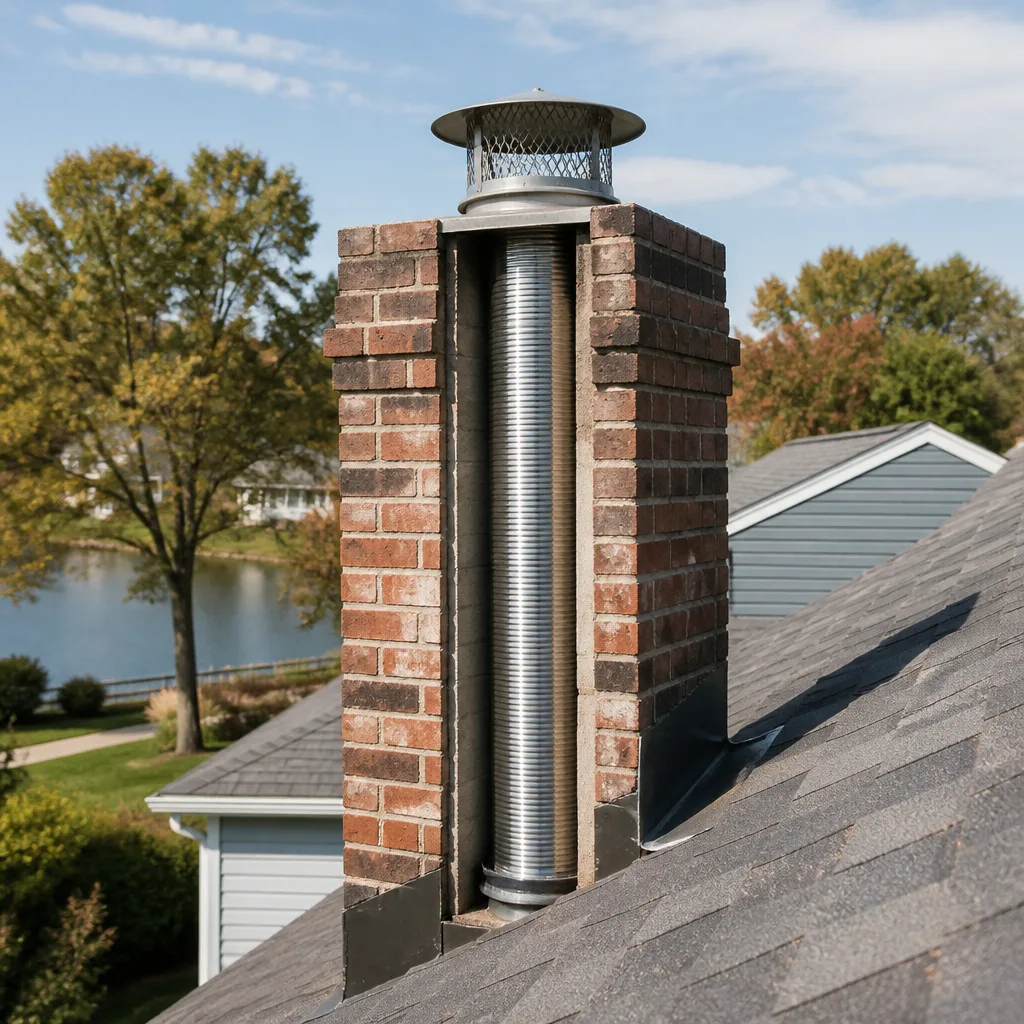
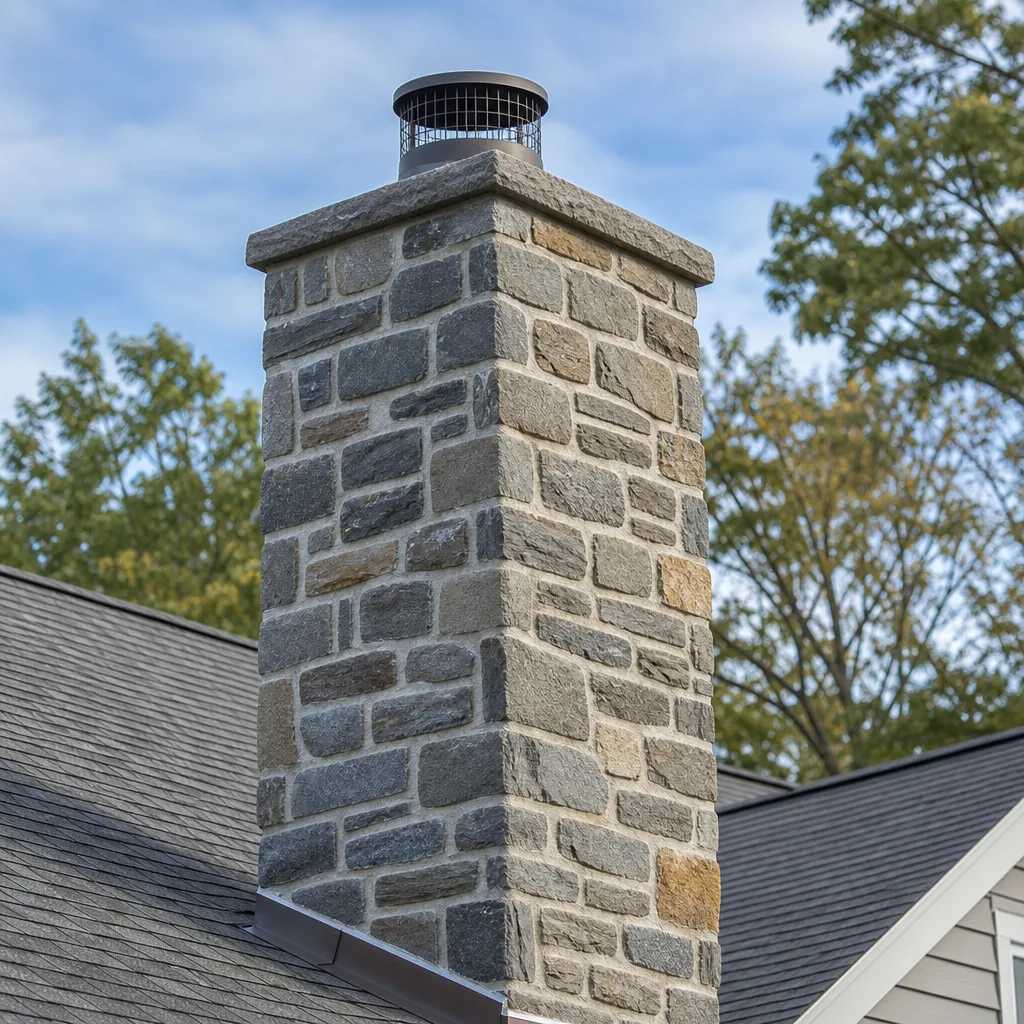
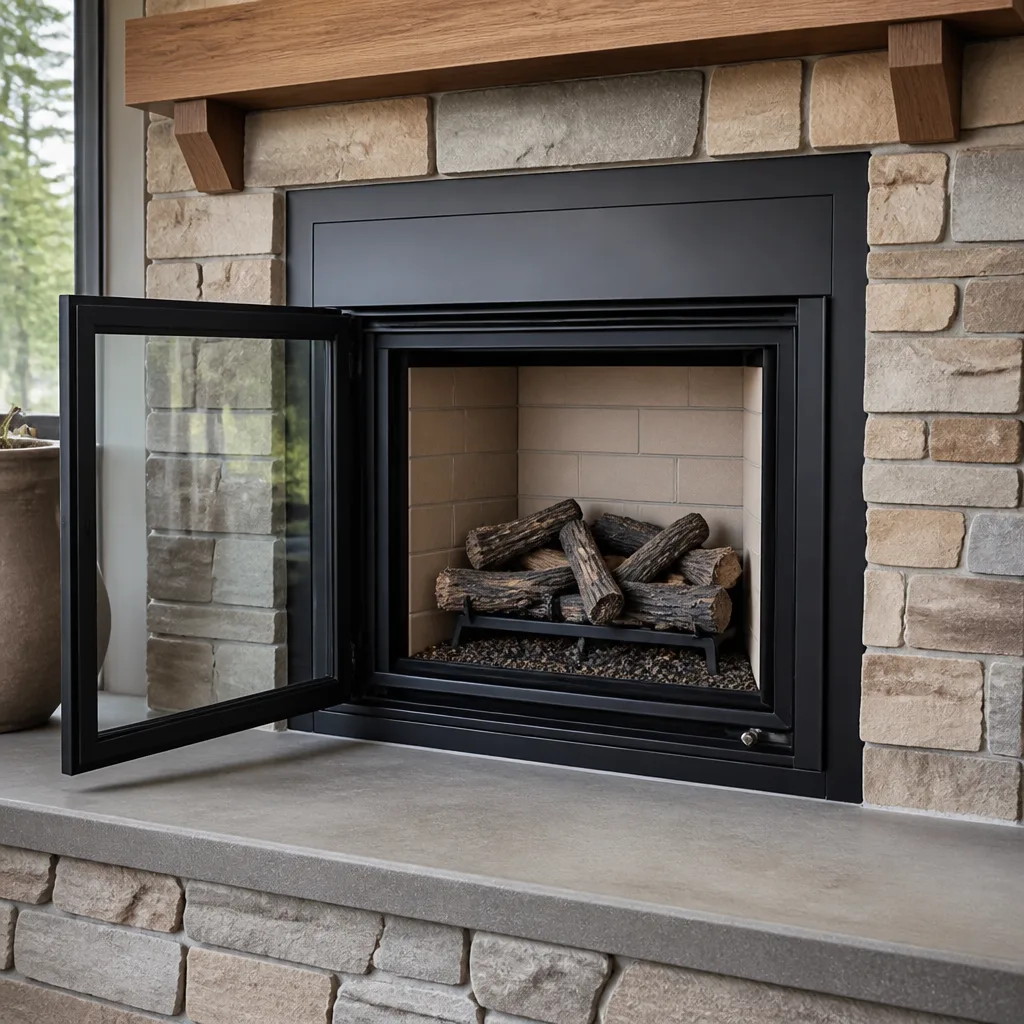
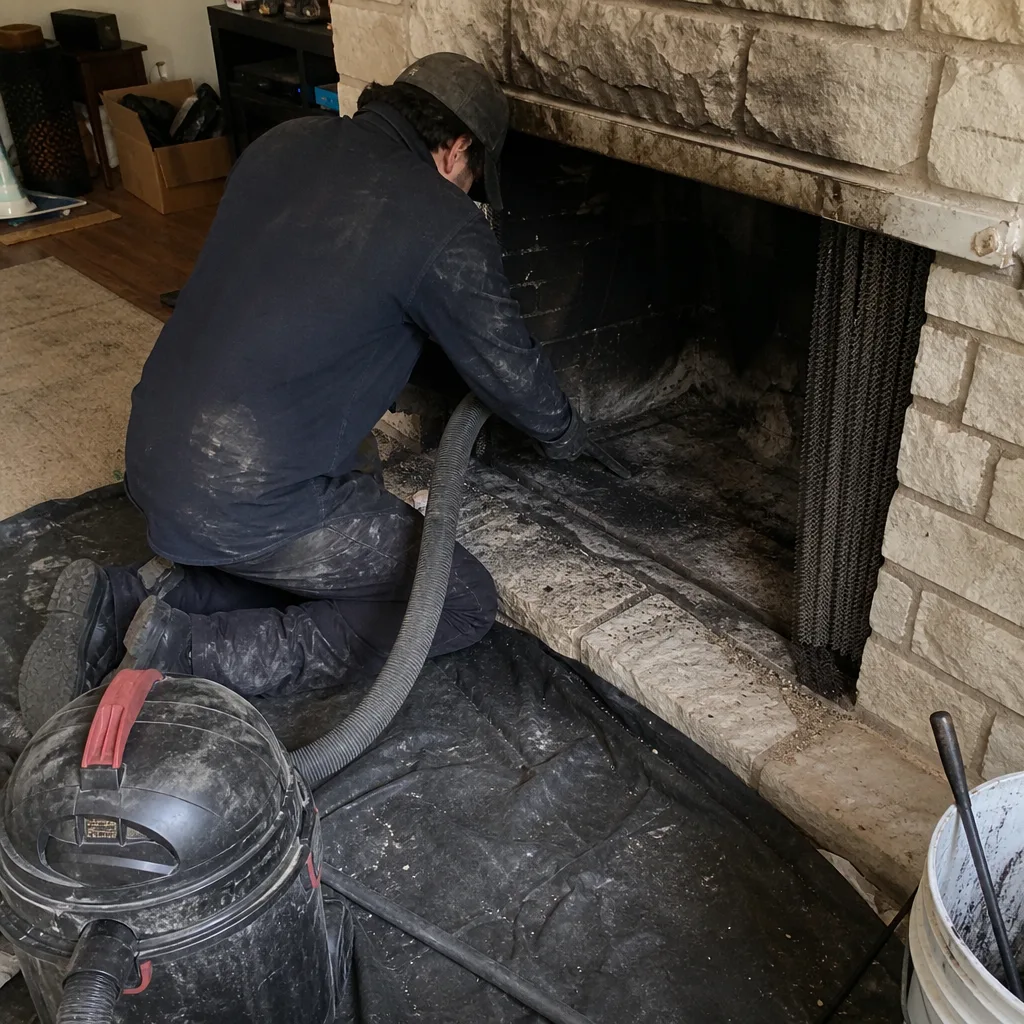 Before
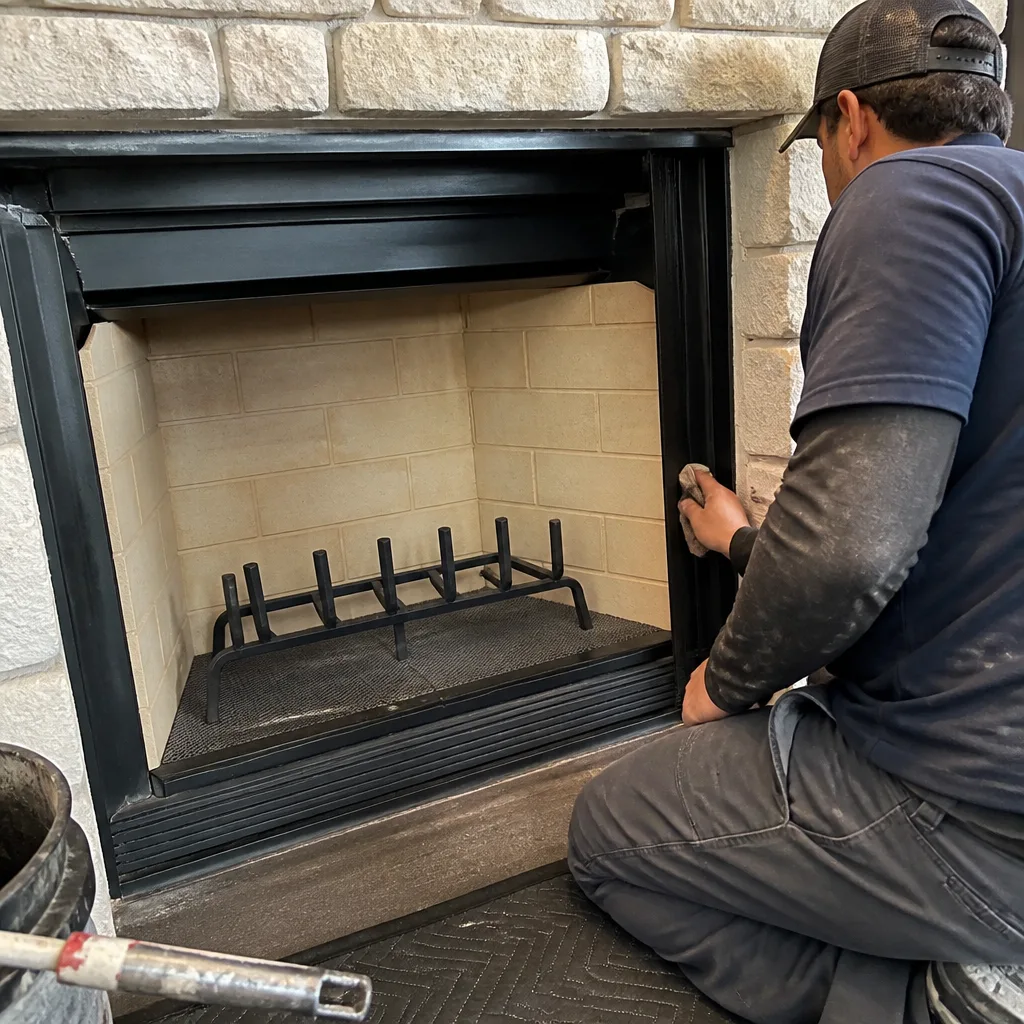 After
After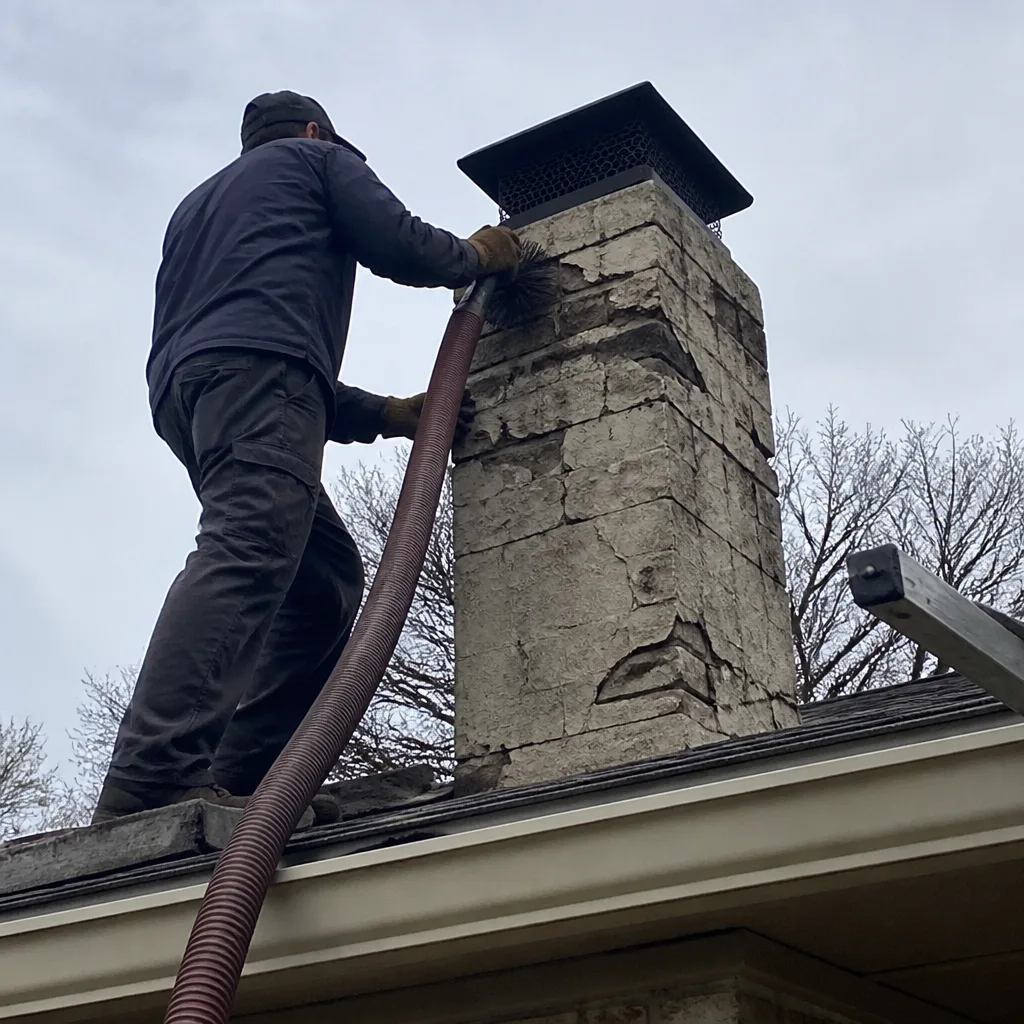 Before
 After
After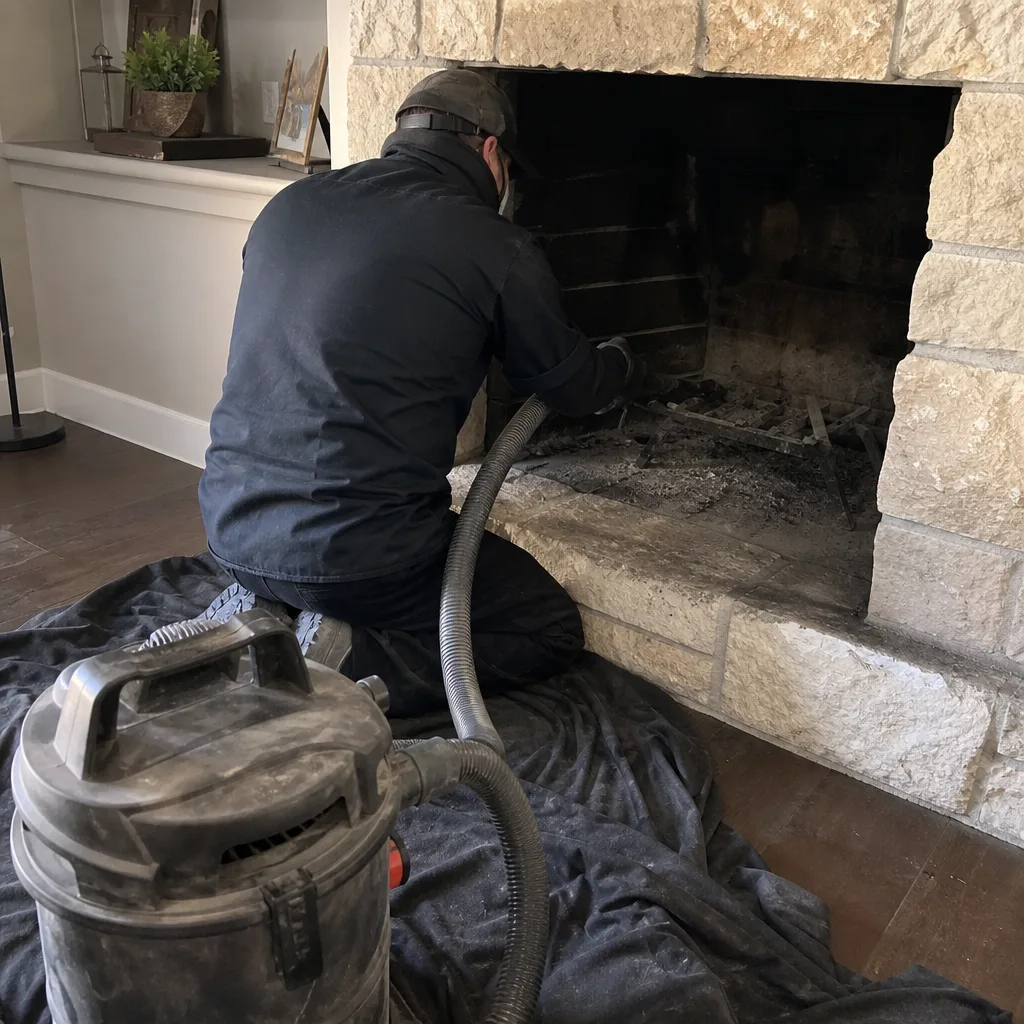 Before
 After
AfterChimney Cleaning Permits, Codes & Inspections in TX: What You Need to Know
A Fort Worth homeowner learned at closing that the previous owner’s unpermitted flue liner replacement, discovered during a routine sweep, had voided their homeowner’s insurance coverage for the entire three years they owned the home. The repair looked fine from the firebox. It had no permit, no inspection, and no documentation. This guide draws the precise line between chimney maintenance that needs no paperwork and chimney repair that does, because in Texas, that distinction determines whether your fireplace is an asset or a liability when you sell. For a deeper dive, see The Complete Guide to Chimney Cleaning in Fort Worth.
Quick Answer
Chimney cleaning and sweeping do not require a permit anywhere in Texas. However, flue liner replacement, firebox rebuilds, chimney crown reconstruction, and structural repairs uncovered during that cleaning almost always require permits under the International Residential Code as adopted by Tarrant County and the City of Fort Worth. The critical step is obtaining a documented Level 2 inspection with photo evidence before any repair work begins, so you know which side of the line your project falls on. Watch for Chimney Cleaning Warning Signs: A Fort Worth Homeowner’s Reference Guide to spot trouble early.
Table of Contents
- Which Chimney Services Require Permits and Which Do Not
- How NFPA 211 Interacts with the IRC in Tarrant County
- The Insurance Documentation Requirement
- What ‘Code-Compliant’ Actually Means
- Real Estate Transaction Triggers
- The Fort Worth Permit Process Step by Step
- Common Mistakes to Avoid
- When to Call a Professional
- Frequently Asked Questions
 Before
 After
AfterWhich Chimney Services Require Permits and Which Do Not
The dividing line is simpler than most contractors admit, though they often blur it intentionally. Maintenance preserves what exists. Repair changes or replaces it. In Fort Worth and throughout Texas, that distinction carries legal weight.
No permit required:
- Chimney sweeping and cleaning, including creosote removal from the flue, smoke chamber, and firebox
- Minor tuck-pointing of mortar joints (typically under 10 square feet of surface area)
- Chimney cap installation on existing flue tiles (not structural crown work)
- Fireplace damper adjustment or replacement of the throat damper assembly
- Standard NFPA 211 Level 1 or Level 2 inspections
Permit required in Fort Worth and Tarrant County:
- Flue liner replacement or relining (stainless steel, aluminum, or cast-in-place)
- Firebox rebuild or refractory panel replacement
- Chimney crown reconstruction or pour
- Structural repairs to the chimney stack, including spalling brick replacement or rebuild
- Smoke chamber parging (when it alters the chamber dimensions or material)
- Chimney height modifications or cricket installation
- Any work requiring access through roof decking or structural members
We’ve inspected chimneys in the Berkeley Place and Mistletoe Heights neighborhoods where homeowners paid $4,200 for liner work that carried no permit. The stainless steel liner was a quality DuraFlex product, properly sized. But without a permit and final inspection, the work could not be verified as installed to manufacturer clearance requirements. When those homeowners listed their properties, buyer inspectors flagged the missing documentation. The sellers faced a choice: pull a retroactive permit (often requiring partial disassembly for inspection) or reduce their sale price.
The Texas Property Code does not specifically mandate chimney permits for real estate transfers. But mortgage underwriters, particularly for FHA and VA loans, increasingly require evidence that any visible chimney work was permitted and inspected. The absence of that paper trail has become a standard negotiation point in Fort Worth’s competitive market.
How NFPA 211 Interacts with the IRC in Tarrant County
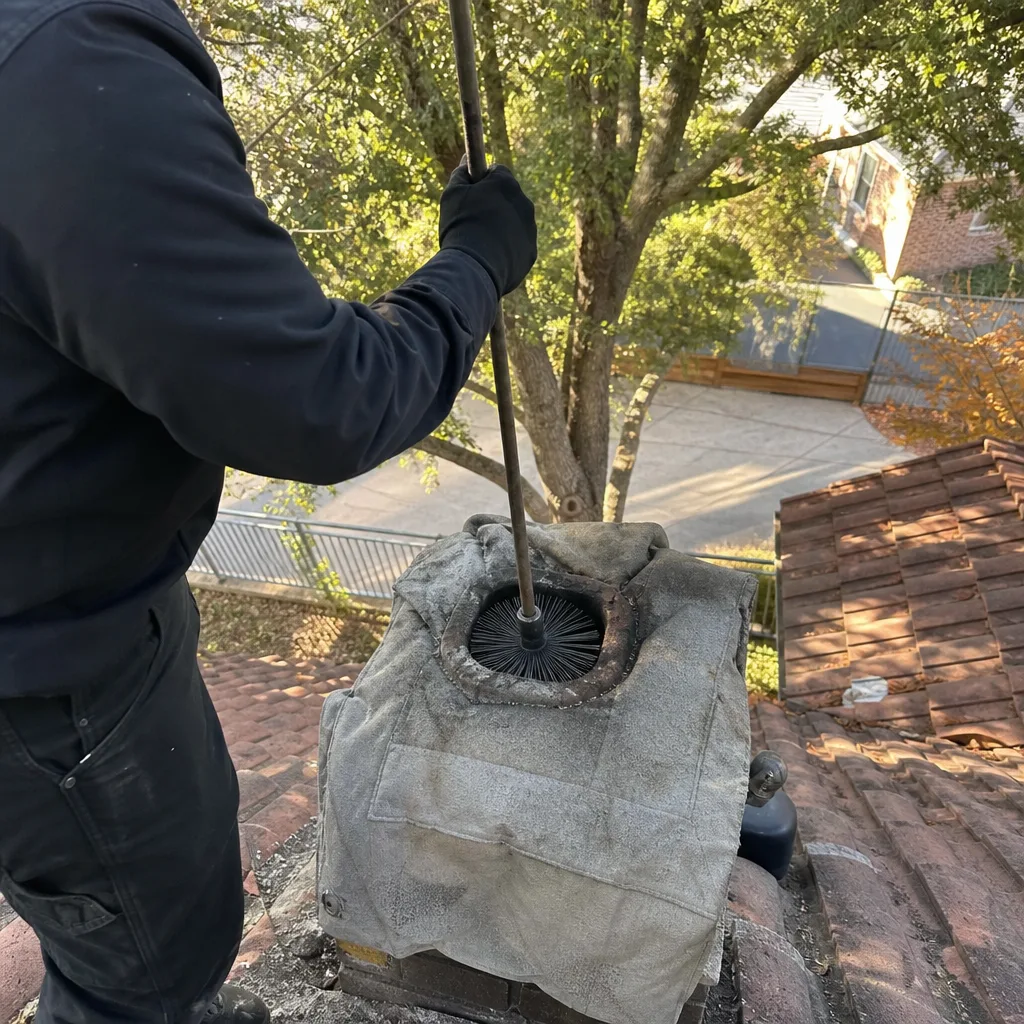
NFPA 211, the National Fire Protection Association’s Standard for Chimneys, Fireplaces, Vents, and Solid Fuel-Burning Appliances, is a voluntary consensus standard. The International Residential Code (IRC), specifically Chapter 10, is adopted into law by local jurisdictions. In Fort Worth, the relationship between these two documents creates a compliance framework that surprises many homeowners.
Tarrant County and the City of Fort Worth adopted the 2021 IRC with local amendments. The IRC Chapter 10 sets minimum requirements for chimney construction, clearances to combustibles, and liner sizing. NFPA 211 goes further in inspection protocol, specifically mandating camera inspection of flue liners when property transfers occur or when the chimney’s condition is unknown.
Here’s where Fort Worth’s local amendments matter. The city requires that any chimney repair covered by the IRC (structural, liner, crown) must comply with both the code’s technical requirements AND NFPA 211’s inspection standards when the work is inspected. This means a contractor cannot install a liner to IRC minimums and skip the camera verification that NFPA 211 would require. The Fort Worth Development Services Department inspector will ask for documentation.
We’ve encountered this directly in the Rivercrest and Westover Hills areas, where older masonry chimneys (common in homes built 1940-1970) frequently need liner replacement. The IRC specifies liner sizing based on appliance BTU output and chimney height. NFPA 211 adds the requirement that the liner be visually verified as continuous and properly connected, which in practice means a camera scan. A Fort Worth inspector who finds an unverified liner installation can fail the final inspection even if the sizing calculations are correct.
The climate factor matters here too. Fort Worth’s clay soils create foundation movement that stresses chimney structures differently than in rocky northern climates. We’ve documented liner separations at the thimble connection in homes off Camp Bowie Boulevard that passed IRC sizing requirements but failed NFPA 211’s continuity standard due to settling-induced shifting. The local amendment effectively catches this by requiring both standards.
For homeowners, the practical implication is clear: any contractor who quotes liner work without specifying camera verification of the completed installation is not preparing you for Fort Worth’s inspection requirements. Clause 4 of the Haven Standard requires that photo record on every job precisely because this gap between code minimum and actual verification is where problems hide.
The Insurance Documentation Requirement
Homeowner’s insurance companies have tightened chimney documentation requirements significantly since 2020. What was once a checkbox on an application has become a conditional coverage item for wood-burning fireplaces in many Texas policies.
The shift began after several high-profile chimney fires in the Dallas-Fort Worth metroplex, including a total loss in Colleyville traced to a deteriorated flue liner that had been “inspected” with a flashlight two years prior. Insurers responded by adding chimney condition documentation as a policy requirement, not merely a recommendation.
A Level 2 inspection report, conducted to NFPA 211 standards with camera documentation, now satisfies most major insurers operating in Fort Worth. The report must contain specific elements:
- Property address and chimney location (fireplace, furnace, or both)
- Appliance and fuel type served
- Flue liner material, dimensions, and condition classification (sound, repair needed, or replacement required)
- Creosote classification (Class I, II, or III) and deposit thickness measurements
- Smoke chamber condition and parging status
- Firebox condition, including refractory panel integrity
- Crown and cap condition with water intrusion assessment
- Exterior masonry condition, including spalling, cracking, or leaning
- Clearance to combustibles verification
- Camera images or video stills showing flue interior at multiple elevations
- Written recommendations with priority classification (immediate, near-term, monitor)
- Inspector signature, company license information, and date
We issue these reports on every Level 2 inspection in Fort Worth. The documentation becomes part of the home’s maintenance record. For homeowners in neighborhoods like Tanglewood or Arlington Heights, where property values depend on well-documented maintenance histories, this record has proven valuable at sale time regardless of insurance requirements.
The specific insurance benefit is straightforward. A documented Level 2 inspection showing sound liner and proper clearances typically satisfies the underwriting condition for wood-burning fireplace coverage. Without it, insurers may exclude fire damage originating from the fireplace, or charge a supplemental premium. We’ve had Fort Worth clients report premium reductions of $180-$340 annually after providing current inspection documentation, though results vary by carrier.
Importantly, the inspection must be current. Most insurers require documentation within 12-24 months of policy issuance or renewal. A 2019 inspection, however thorough, will not satisfy a 2025 underwriting review.
What ‘Code-Compliant’ Actually Means
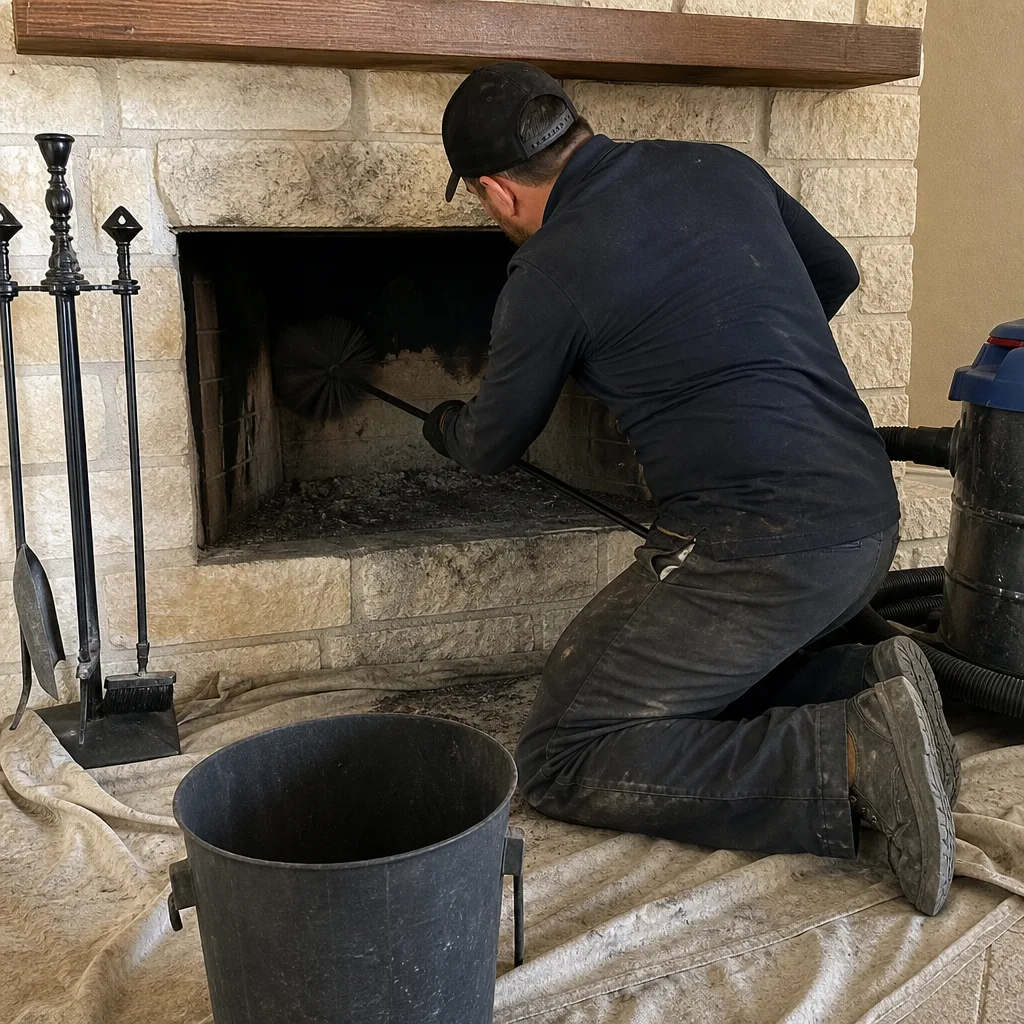
Contractors use “code-compliant” as a reassurance. In practice, it is a claim that requires verification, because the term has no standardized definition in Texas contractor advertising law.
When a chimney company in Fort Worth tells you their work will be “code-compliant,” you should ask three specific questions:
- Which code? The IRC 2021 as adopted by Fort Worth? NFPA 211? The manufacturer’s installation instructions? All three may apply, and they are not identical.
- Who verifies compliance? The contractor’s word, or a third-party inspection by the City of Fort Worth Development Services Department?
- What documentation proves compliance? A permit number? An inspection sign-off? A written report with photos?
We’ve reviewed competitor estimates in Fort Worth that promised “code-compliant liner installation” without specifying permit acquisition. In Texas, a contractor can follow every technical requirement of the IRC and still produce unpermitted, uninspected work. The “code-compliant” claim refers to the technical standard, not the legal process. This distinction matters enormously at sale time.
The verification process is public and straightforward. The City of Fort Worth Development Services Department maintains an online permit lookup at fortworthtexas.gov/development. Any permit pulled for chimney work will appear with the permit number, scope, issue date, and inspection status. Final inspection sign-off is recorded as “Approved.”
We encourage Fort Worth homeowners to verify any contractor’s permit claims directly. The permit number should be provided in writing before work begins, not after completion. Clause 1 of the Haven Standard, “Have it in writing,” applies here: the written scope, written price, and written permit number are delivered before any work starts.
Materials matter to code compliance too. A liner installed with proper clearances but using non-UL-listed materials may pass visual inspection but fail code requirements. We source liners through DuraFlex and Olympia Chimney specifically because their products carry the UL 1777 listing that Fort Worth inspectors verify. HeatShield’s cerfractory sealant, used for smoke chamber parging, carries a separate UL component recognition. These listings are not marketing claims; they are inspection checkpoints.
Real Estate Transaction Triggers
Chimney inspections become mandatory in Texas home sales through several mechanisms, none of which appear in state statute as an explicit “chimney inspection required” clause. Instead, the requirement emerges from lender conditions, insurance underwriting, and buyer negotiation.
FHA loans: HUD guidelines require that heating systems and fireplaces be “safe to operate.” In practice, FHA appraisers in Fort Worth routinely flag chimneys with visible deterioration, missing caps, or evidence of water damage. The appraisal condition requires repair before closing, and the repair must be documented. A Level 2 inspection with camera documentation satisfies this condition.
VA loans: Similar to FHA, with additional emphasis on wood-burning appliances. The VA appraiser may specifically require chimney inspection documentation for homes with fireplaces.
Conventional loans with private mortgage insurance: PMI providers have increasingly added chimney condition requirements, particularly for homes in areas with known chimney fire risk. Fort Worth’s inclusion in the North Central Texas Council of Governments wildfire risk assessment has triggered this condition for some borrowers.
Buyer-initiated inspection: The Texas Real Estate Commission promulgated contract form includes a general inspection contingency. Fort Worth buyers increasingly use this to request specific chimney inspection by a certified sweep, not merely a generalist home inspector. The distinction matters: a home inspector typically conducts a Level 1 visual inspection from the firebox and roof. A certified sweep conducts Level 2 with camera, which is what buyers in competitive markets now demand.
The written report for real estate transactions must contain specific elements to satisfy lenders and insurers:
- Clear statement of whether the chimney is “safe to use” or “not safe to use” for its intended fuel type
- Documentation of any required repairs with priority classification
- Estimate of remaining service life for liner and masonry components
- Camera documentation of flue condition
- Statement of compliance with NFPA 211 inspection standards
- Inspector certification number and company license information
We’ve provided these reports for transactions in the Cultural District, Near Southside, and Fairmount neighborhoods. In each case, the report’s specificity, particularly the camera documentation, prevented last-minute negotiation surprises. One Fairmount sale involved a 1920s chimney with a concealed flue separation at the second floor. The camera found it. The repair was negotiated into the sale price with full documentation for the buyer’s lender. Without that finding, the new owner would have discovered the problem after closing, with no recourse.
The Fort Worth Permit Process Step by Step
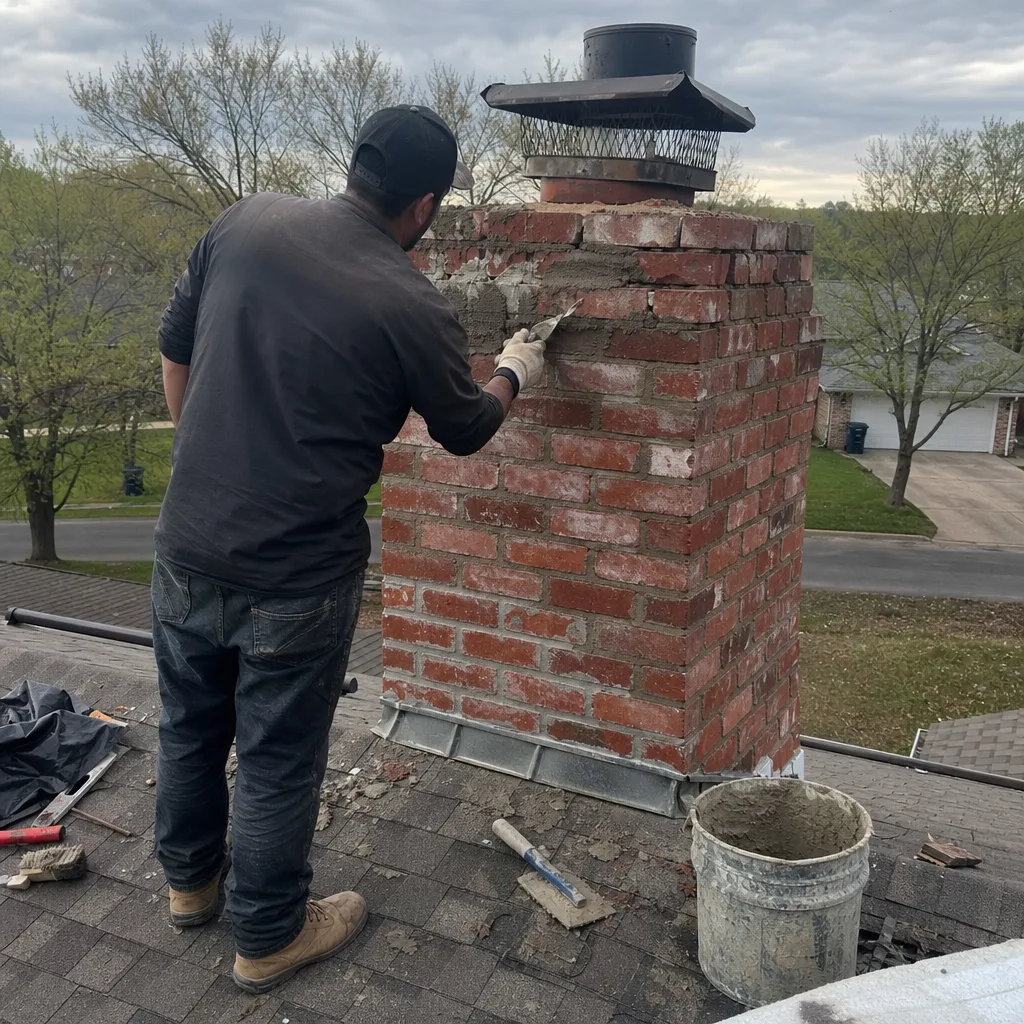
For chimney repair work that crosses the line from maintenance to regulated repair, the Fort Worth permit process is manageable but specific. Homeowners can pull permits themselves, or contractors can pull them as authorized agents. We recommend that the contractor pull the permit, as they are responsible for scheduling inspections and correcting any failures.
Step 1: Determine permit type
Most chimney repair requires a Residential Building Permit. Minor electrical work (damper motor, fan) may require a separate Electrical Permit. Gas fireplace modifications require a Plumbing/Gas Permit. The Fort Worth Development Services Department can clarify requirements at (682) 499-2712.
Step 2: Submit application
Applications are submitted online through the city’s Development Services portal. Required documentation includes: scope of work description, contractor license information, insurance certificate, and for liner work, manufacturer specifications showing UL listing and sizing calculations.
Step 3: Plan review
Simple liner replacements typically qualify for over-the-counter review. Structural rebuilds or height modifications may require full plan review, adding 5-10 business days.
Step 4: Permit issuance
Once issued, the permit must be posted at the work site. Work cannot begin before permit issuance. Beginning work without a permit carries penalties and may require removal of completed work for inspection.
Step 5: Rough inspection
For liner work, this typically occurs after liner installation but before closure of any access openings. The inspector verifies proper sizing, support, and connection.
Step 6: Final inspection
Occurs after all work is complete. The inspector verifies finished condition, proper clearances, and operational safety. For fireplace work, this may include a live fire test.
Step 7: Certificate of Completion
Upon passing final inspection, the city issues a Certificate of Completion. This document, with the permit number, is what future buyers and insurers will request.
Total timeline in Fort Worth typically runs 2-4 weeks for straightforward liner replacement, longer for complex structural work. We coordinate permit acquisition as part of our project scope, with the permit number included in the written price quote under Haven Standard Clause 1.
Common Mistakes to Avoid
- Accepting “permit not required” at face value. A Fort Worth contractor told a homeowner in Wedgwood that liner replacement needed no permit because it was “just maintenance.” The unpermitted work required $2,800 in remediation to obtain retroactive approval at sale time.
- Confusing a home inspection with a chimney inspection. General home inspectors in Texas are not required to inspect chimneys to NFPA 211 standards. Their visual check from the firebox and roof misses most liner deterioration. We’ve found Class III creosote and liner gaps in chimneys that received clean home inspection reports three months prior.
- Paying in full before final inspection. Texas law does not prohibit this, but it removes leverage if inspection failures require rework. We collect payment only after final inspection passes, or structure payment with holdback for inspection completion.
- Neglecting to verify contractor licensing. Fort Worth requires chimney contractors to hold a valid Texas contractor license. Verify through the Texas Department of Licensing and Regulation (TDLR) online search. Unlicensed work cannot be permitted.
- Discarding inspection documentation. Keep chimney inspection reports, permits, and certificates of completion with your permanent home records. Digital copies should be backed up. These documents have value at sale time and for insurance claims.
- Assuming new construction chimneys need no inspection. We’ve found construction debris, improper liner connections, and missing dampers in Fort Worth new builds. The IRC requires inspection during construction, but the homeowner receives no documentation unless specifically requested.
- Ignoring climate-specific deterioration. Fort Worth’s combination of clay soil movement, hail impact, and temperature swings from 20°F to 105°F accelerates crown cracking and mortar deterioration. Annual inspection catches this before it becomes permit-triggering repair.
When to Call a Professional
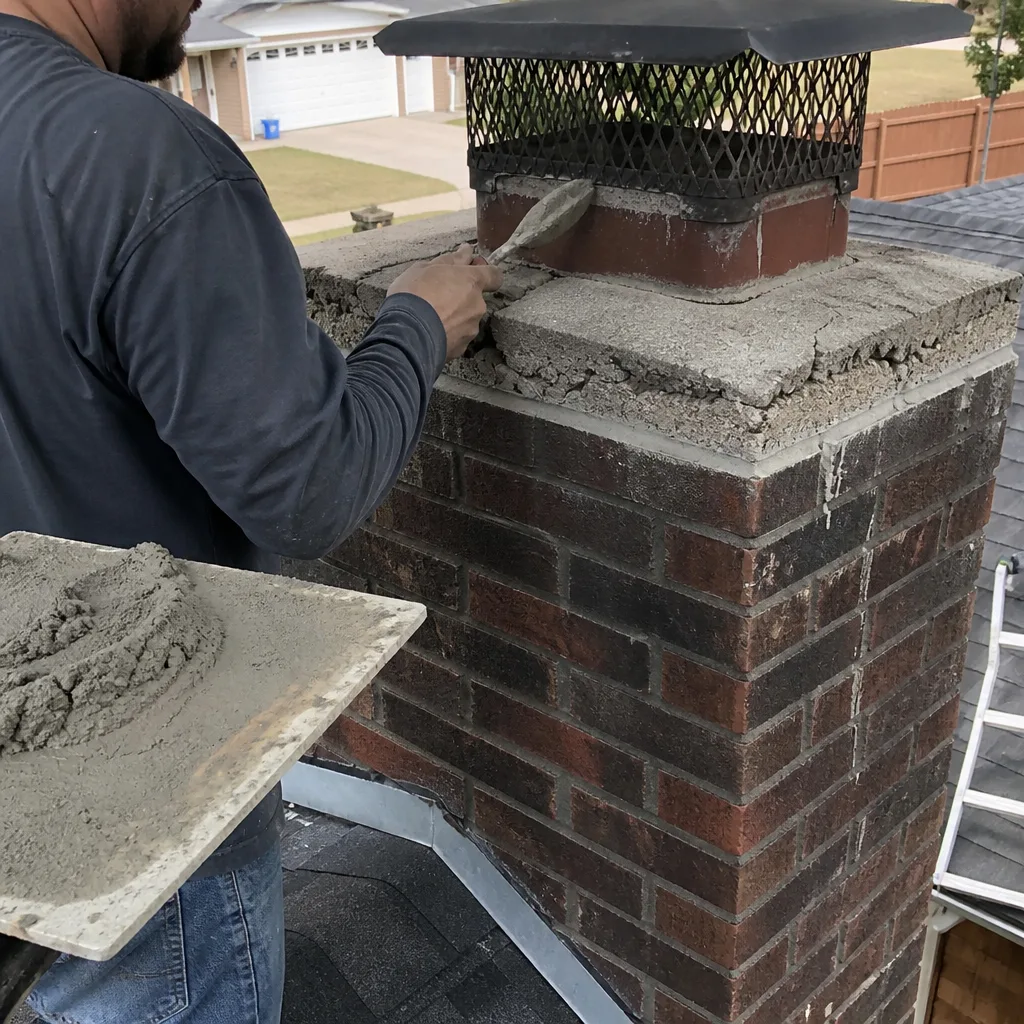
Call a certified chimney sweep when you notice any of these warning signs: visible cracks in the firebox refractory panels, pieces of tile or mortar in the fireplace, water stains on the ceiling near the chimney, a persistent smoky smell when the fireplace is not in use, or any hesitation in your homeowner’s insurance renewal questionnaire about chimney condition. For a full maintenance schedule, see our Chimney Cleaning & Sweep Maintenance Checklist for Fort Worth Homeowners.
Call before you list your home for sale, even if you have no known problems. A preemptive Level 2 inspection with documentation prevents negotiation surprises and demonstrates maintenance diligence to buyers.
Call if you’ve received any estimate for chimney work that does not specify permit acquisition, written warranty terms, or camera documentation of completed repairs. These omissions are warning signs.
Level Two Chimney Fort Worth offers free estimates throughout Fort Worth and Tarrant County. Every estimate includes a written price, written scope, and written warranty before any work begins, under Haven Standard Clause 1. Call (682) 499-2712 to schedule.
Frequently Asked Questions
A standard chimney sweep and Level 1 inspection in Fort Worth typically ranges from $175 to $295, depending on accessibility and creosote buildup severity. A Level 2 inspection with camera scan runs $325 to $495 and includes the documented photo record required by Haven Standard Clause 4. We deliver a written price before booking, not after arrival. Call (682) 499-2712 for an exact quote; estimates are free.
An unlined chimney or a liner with cracks, gaps, or missing sections is not safe for use and will not pass Fort Worth inspection if permit work is required. The IRC mandates liners for all masonry chimneys serving solid fuel appliances. In our experience inspecting chimneys in Fort Worth’s older neighborhoods like Ryan Place and Berkeley Place, clay tile liners in homes built before 1980 show deterioration in approximately 60% of cases. We recommend nothing without camera evidence you can see yourself, and we will clearly state when work can safely wait versus when immediate action is required.
NFPA 211 recommends annual inspection for all chimneys, with cleaning frequency based on use and creosote accumulation. For Fort Worth homeowners who burn wood regularly during cooler months (typically November through March), annual sweeping is practical. The local climate contributes to faster mortar deterioration from moisture infiltration, making the inspection component particularly valuable. Gas fireplaces require less frequent cleaning but still benefit from annual inspection of the venting system and burner assembly.
Skipped maintenance leads to accelerated deterioration, higher repair costs, and safety hazards including chimney fires and carbon monoxide intrusion. Unpermitted repairs create documentation gaps that surface at property sale, potentially requiring retroactive permits with disassembly, or price reductions. In Fort Worth’s active real estate market, we’ve seen unpermitted chimney work reduce sale prices by $3,000 to $8,000, far exceeding the original permit cost. Call (682) 499-2712 for a current condition assessment; estimates are free.
Homeowners can pull their own residential building permits in Fort Worth. However, the permit holder is responsible for scheduling inspections and ensuring code compliance. We recommend having your contractor pull the permit as an authorized agent, since they are responsible for the work quality and any inspection corrections. If you pull the permit yourself, verify that your contractor will still coordinate inspections; some will not. Our quotes include permit acquisition and inspection scheduling as standard.
A general home inspector conducts a Level 1 visual inspection from accessible areas, typically the firebox and roof. They are not required to use a camera or inspect the flue interior beyond what is visible. A Level 2 inspection, conducted by a certified chimney sweep to NFPA 211 standards, includes camera examination of the entire flue interior, smoke chamber, and accessible portions of the firebox and exterior. In Fort Worth’s competitive real estate market, buyers increasingly require Level 2 documentation. We’ve found critical defects invisible to Level 1 inspection in approximately 25% of chimneys we examine after clean home inspection reports.
The Bottom Line
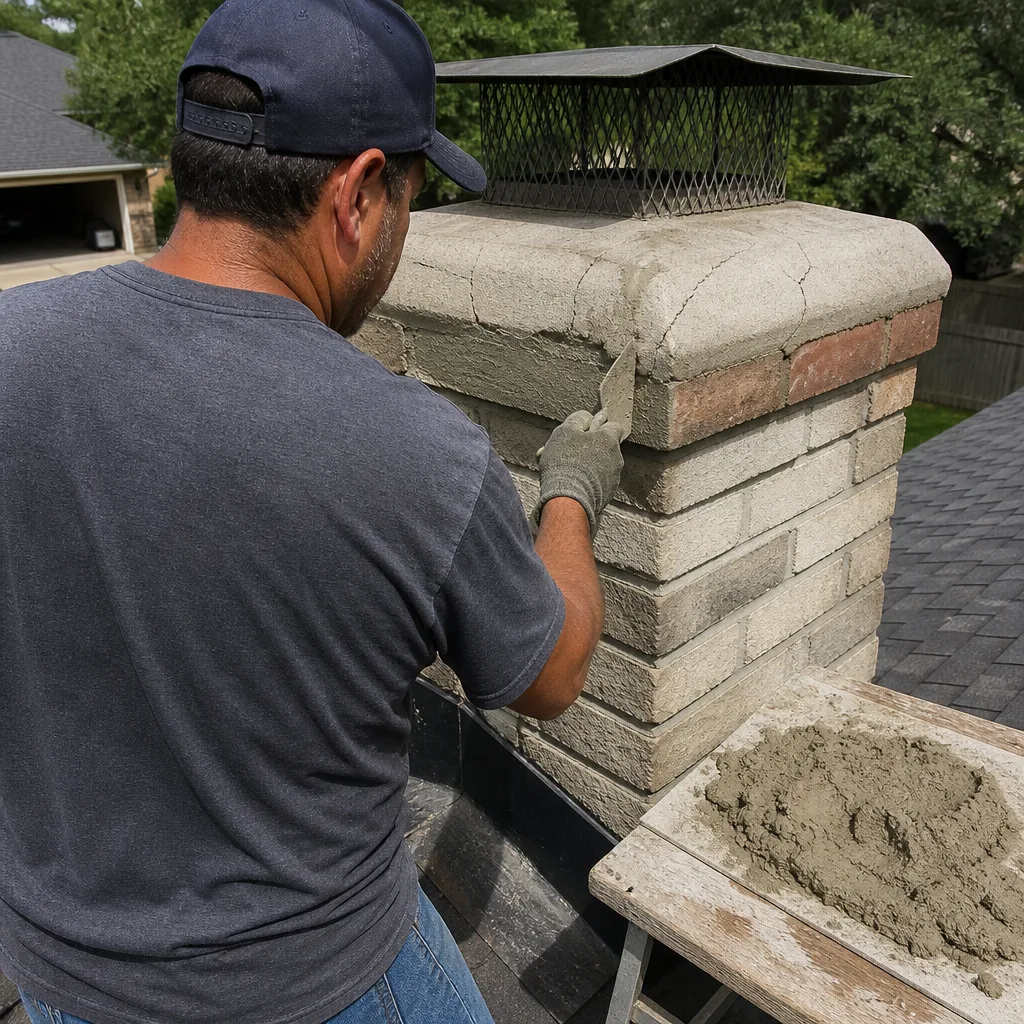
Chimney cleaning requires no permit in Texas, but the repairs it reveals frequently do. The critical step is obtaining a documented, camera-verified inspection that clearly separates maintenance from regulated repair. In Fort Worth, compliance means understanding both the IRC’s technical requirements and NFPA 211’s inspection protocols, because local amendments require both. For homeowners, the payoff is straightforward: permitted, documented, inspected work protects property value, satisfies insurance requirements, and prevents the closing-table surprises that have cost Fort Worth sellers thousands. Start with inspection, demand written documentation, verify permit status independently, and keep records permanently.
Written by Corrine Halstead, Owner at Level Two Chimney Fort Worth, serving Fort Worth since 2009.