
Last updated September 22, 2026
Level 1 sweep and inspection to the NFPA 211 annual standard - flue, crown, cap, and flashing checked and photographed
Chimney sweep logs do not sweep chimneys. They loosen some creosote - which then falls where a brush and vacuum still have to collect it.
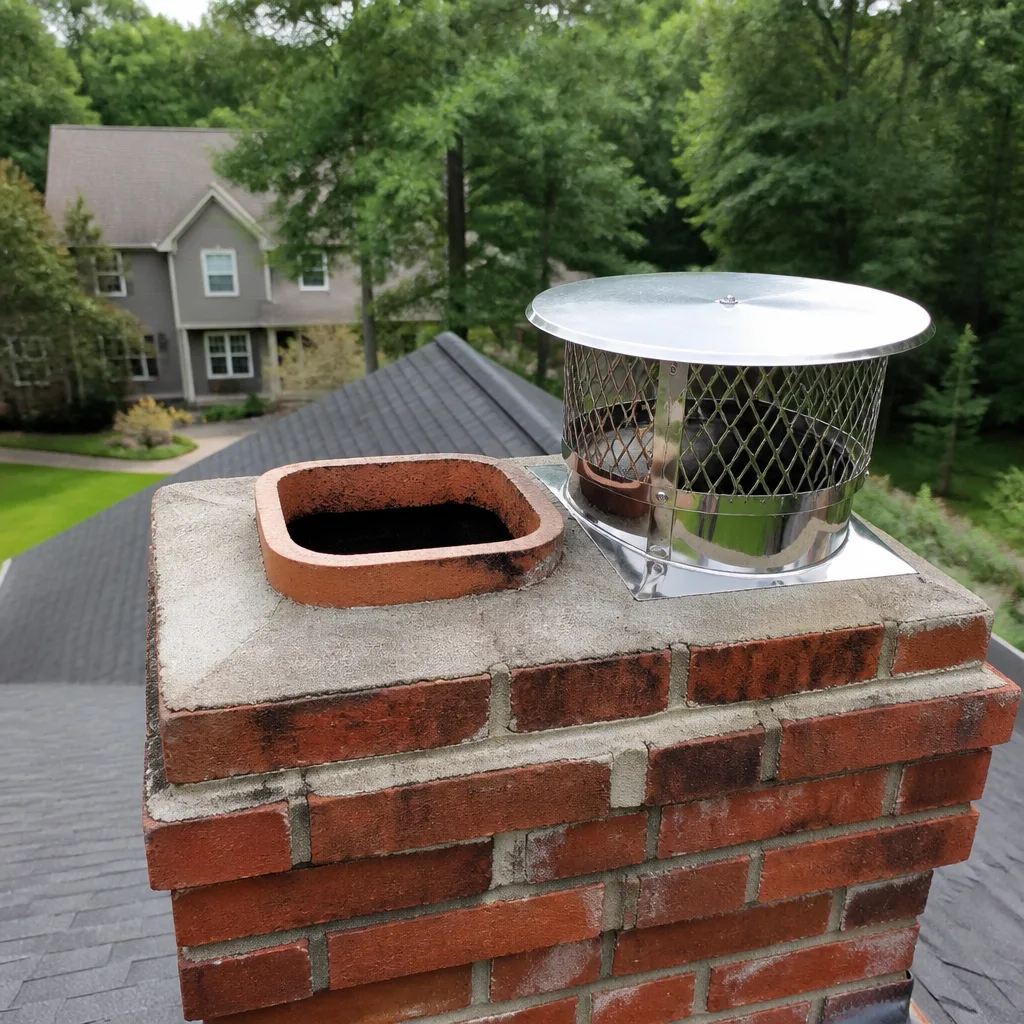
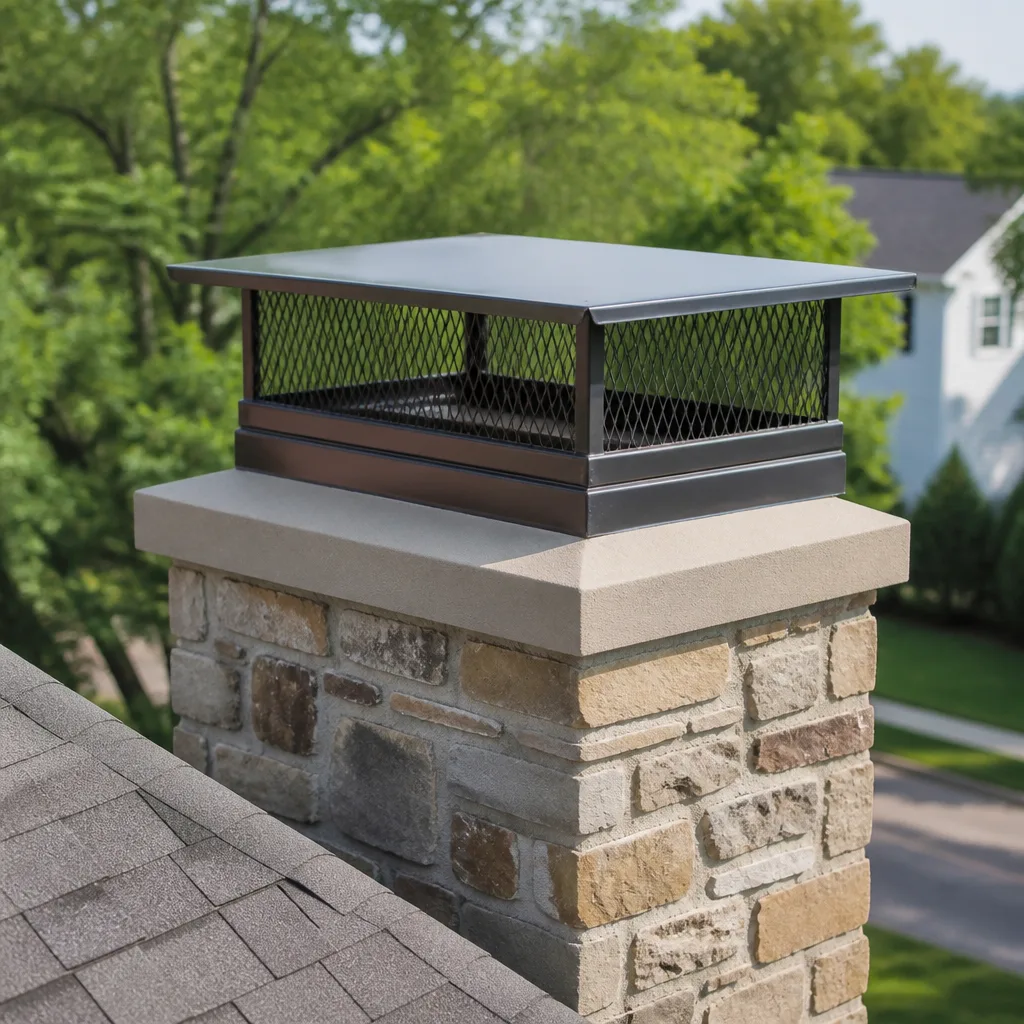
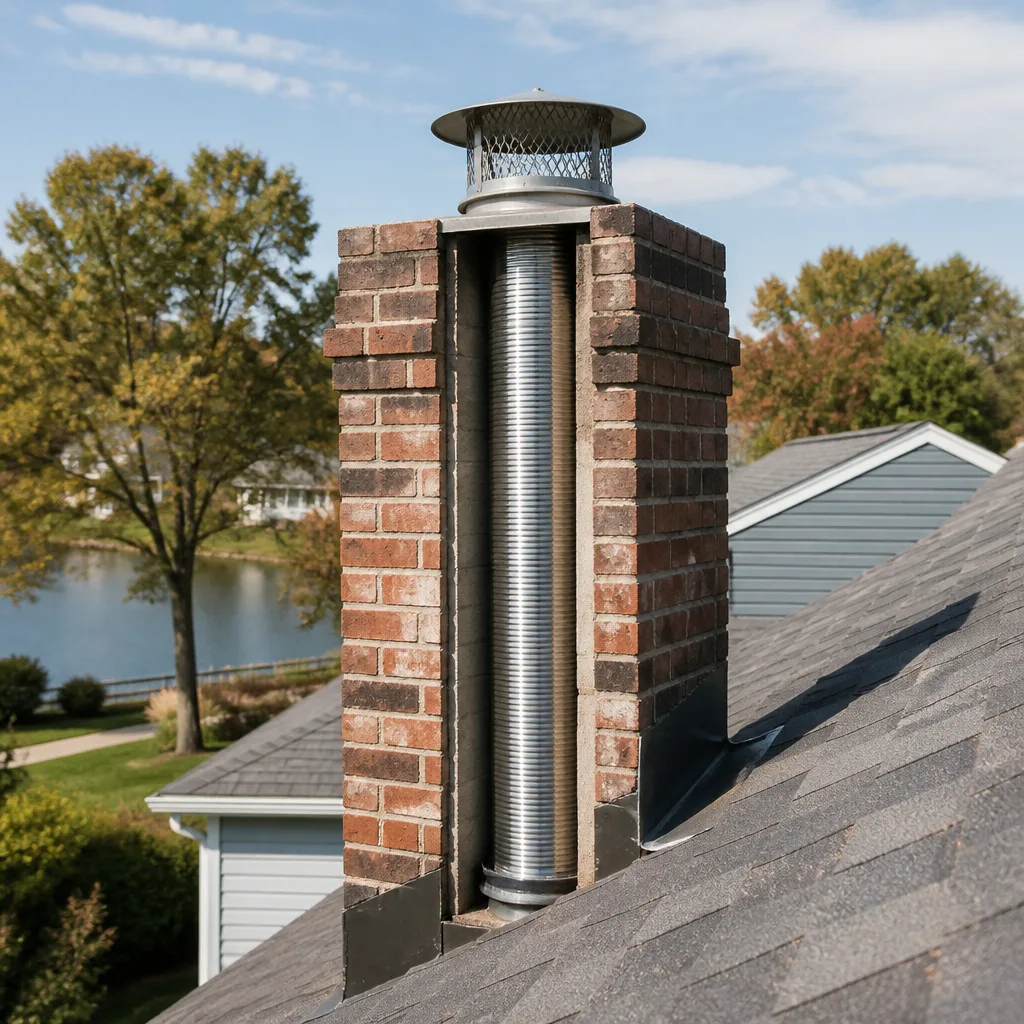
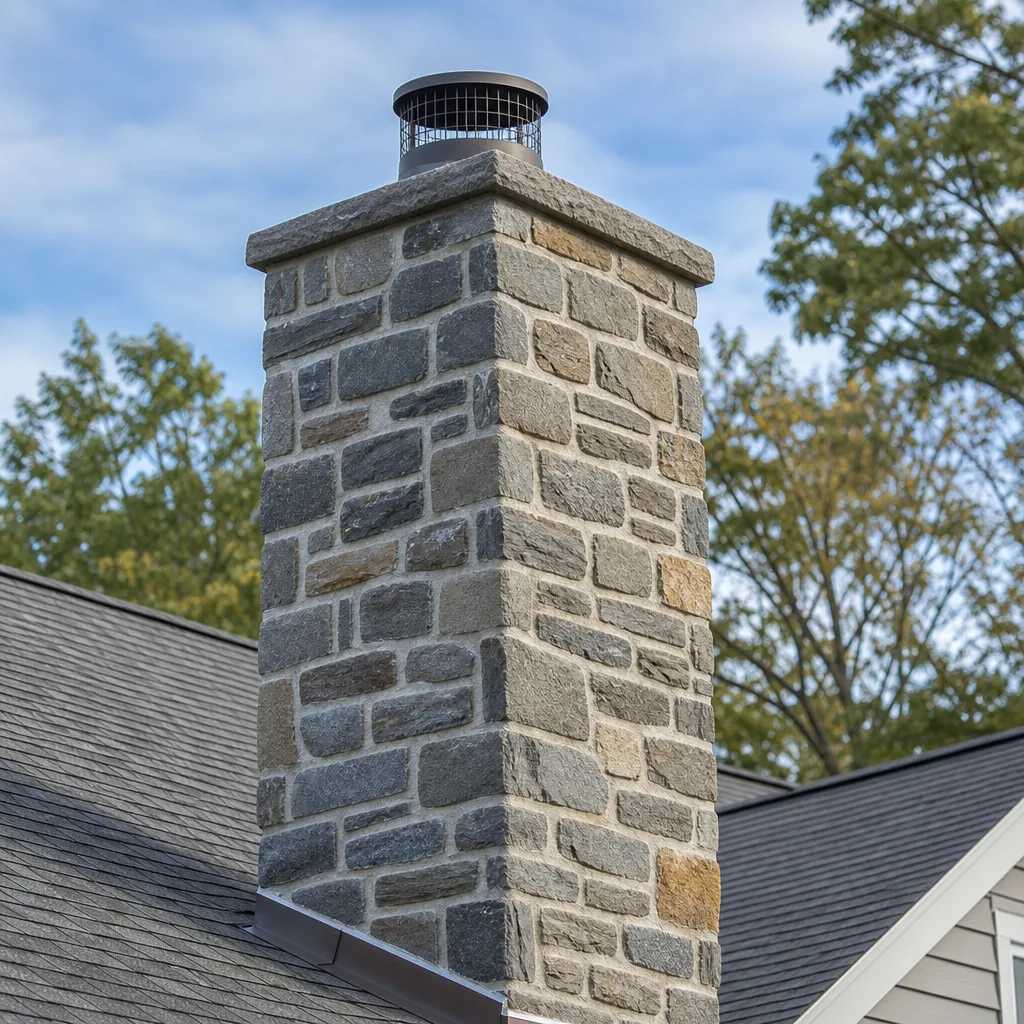
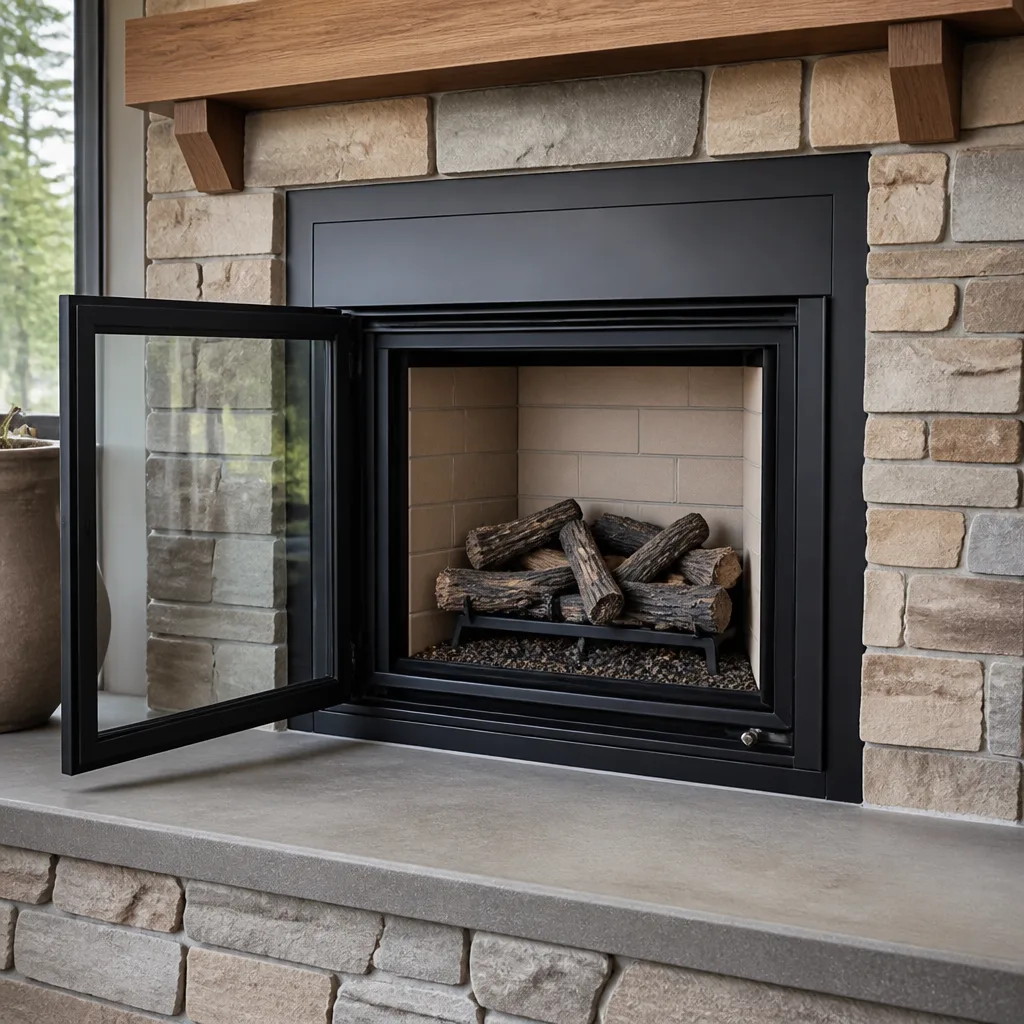
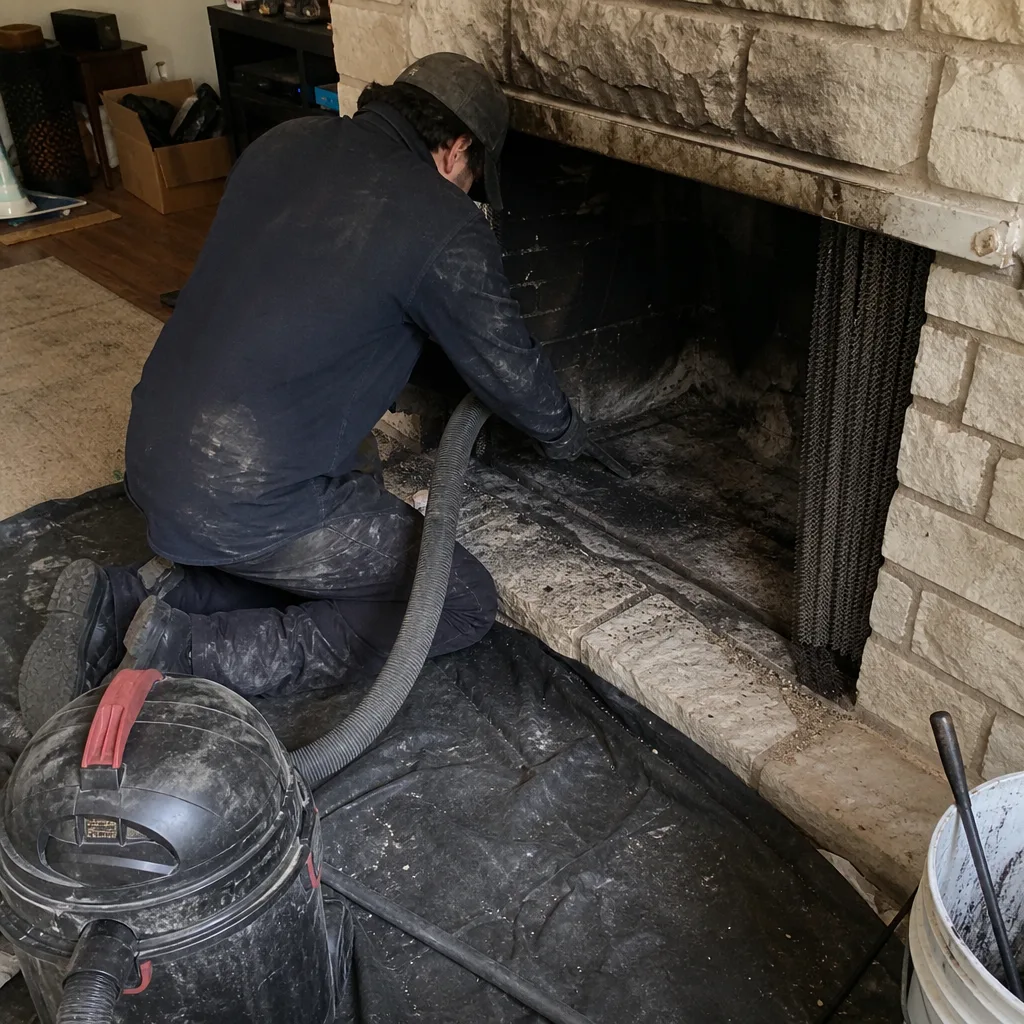 Before
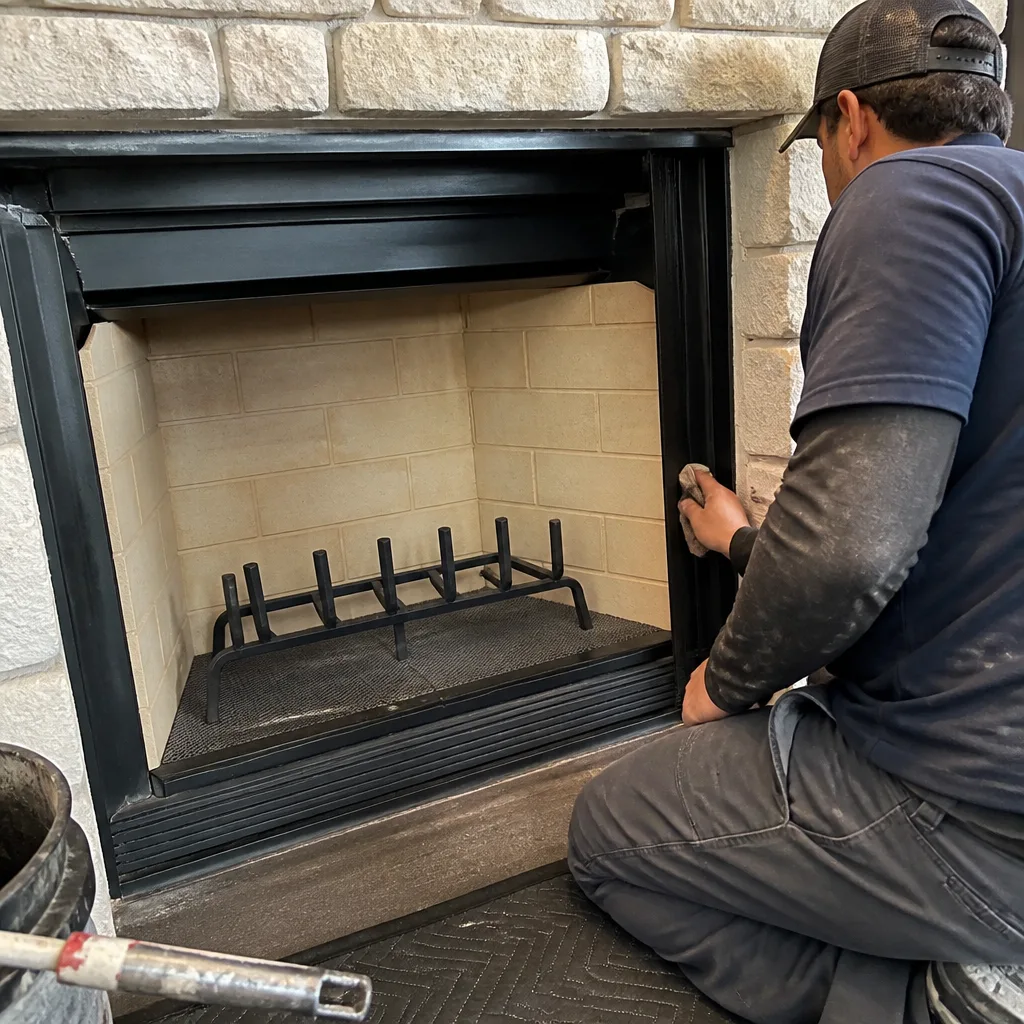 After
After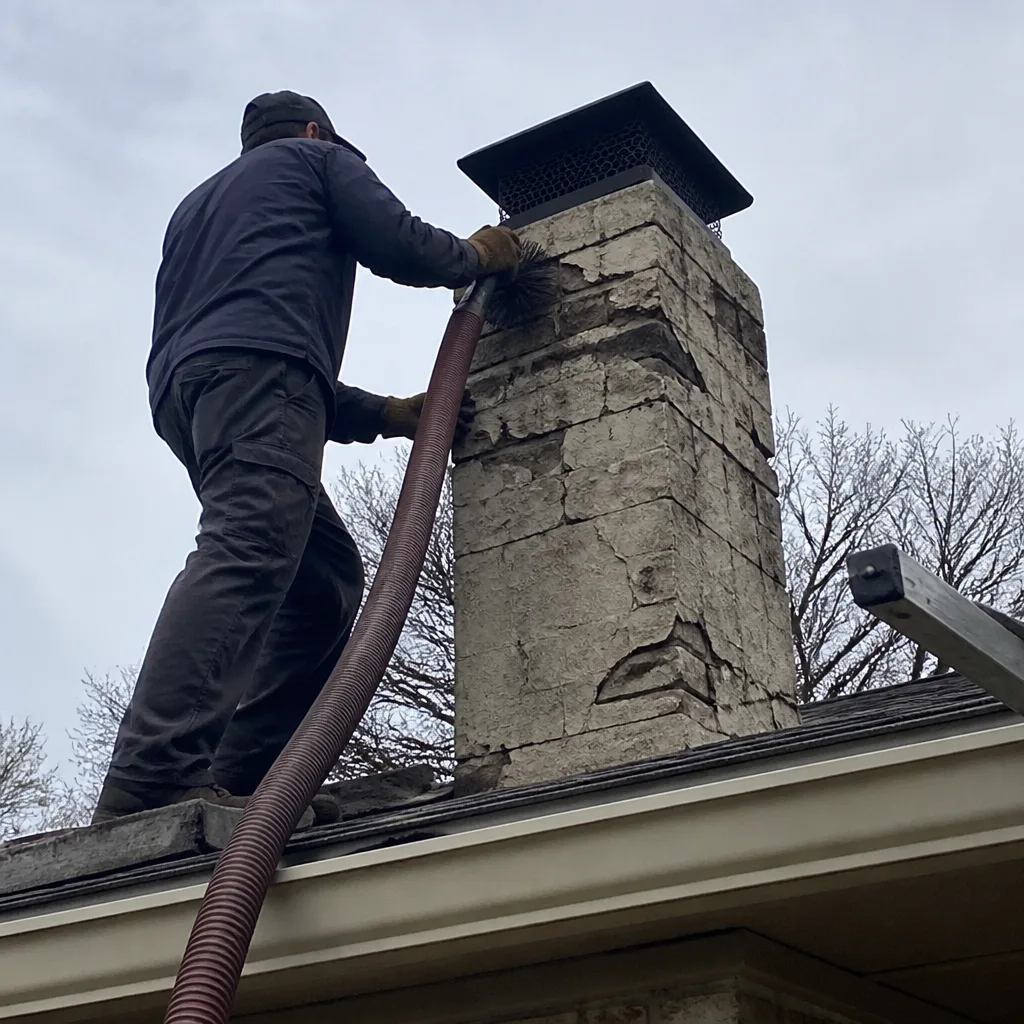 Before
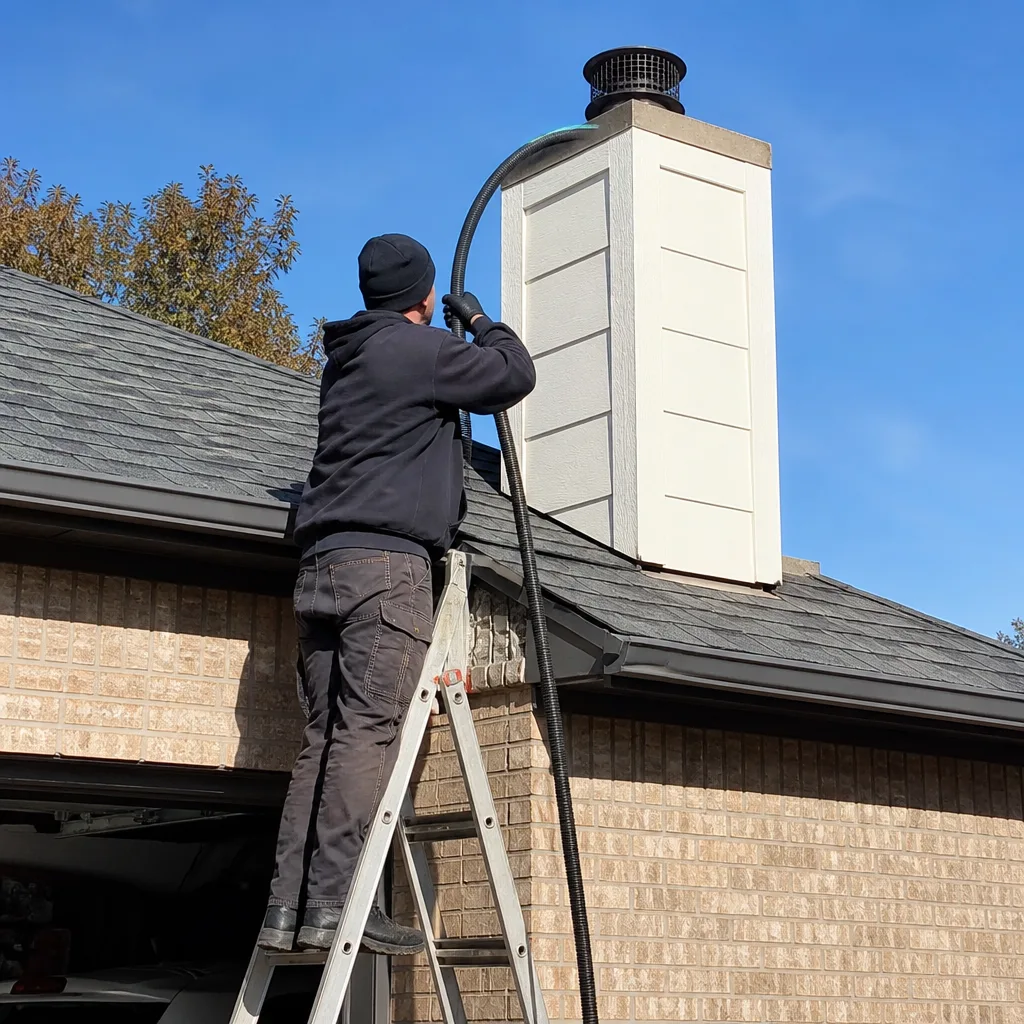 After
After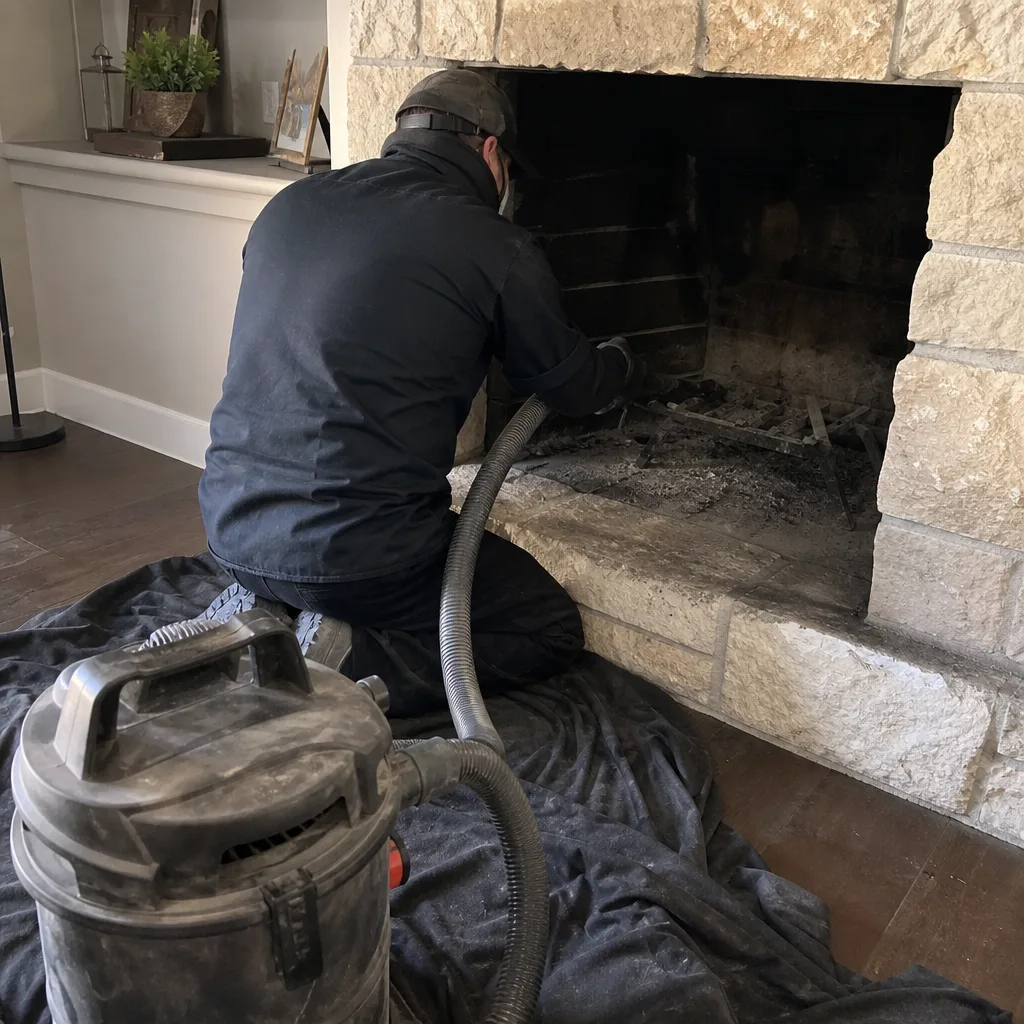 Before
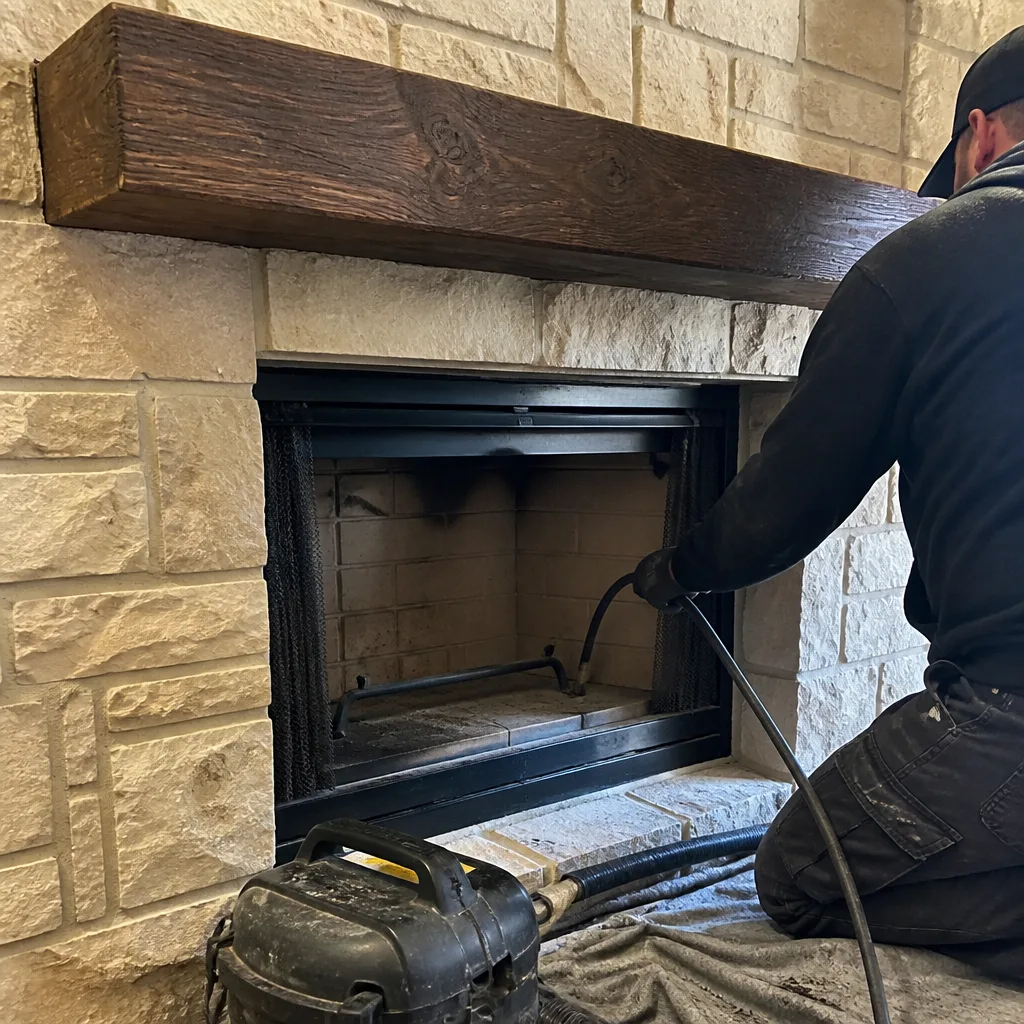 After
AfterThe Complete Guide to Chimney Cleaning in Fort Worth
The National Fire Protection Association reports that 27% of chimney fires occur in chimneys cleaned within the previous 12 months. In Fort Worth, we’ve found the reason: most sweeps clean the flue liner with brushes and call the job done, never inspecting the smoke chamber or smoke shelf where Stage 2 and Stage 3 creosote hide. This guide maps the five distinct zones of your flue system, names the debris each accumulates, and explains why a Level 2 camera scan is the only way to know the job was actually finished.
Quick Answer
Professional chimney cleaning in Fort Worth costs $180-$320 for a standard sweep with Level 1 inspection, and $320-$480 when a Level 2 camera scan is included - for context on what that range covers, see our How to Hire a Chimney Cleaning Contractor in Fort Worth: A Step-by-Step Guide. A proper cleaning addresses five zones - firebox, smoke chamber, smoke shelf, flue liner, and exterior crown - and should leave you with a written report, photo documentation, and a written price agreed before work began.
Table of Contents
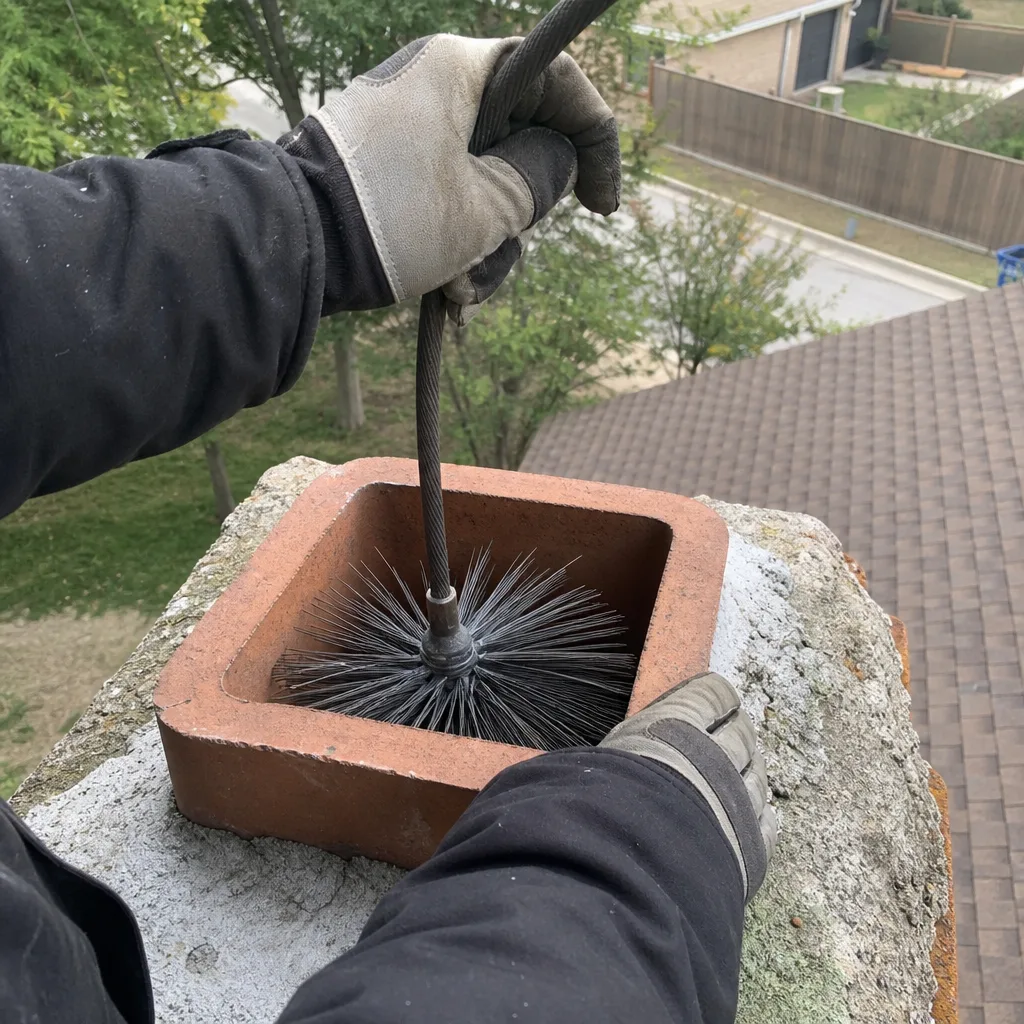
- The Five Zones of a Fort Worth Flue System
- Why North Texas Creosote Is Different
- What a Level 2 Camera Scan Shows That a Flashlight Misses
- How to Read a Written Sweep Report
- The Documented Record Requirement Under NFPA 211
- Chimney Cleaning Cost in Fort Worth
- Common Mistakes to Avoid
- When to Call a Professional
- Frequently Asked Questions
- The Bottom Line
 Before
 After
AfterThe Five Zones of a Fort Worth Flue System
A chimney is not a hollow tube. It’s a system of five zones, each with its own geometry, its own debris profile, and its own cleaning requirement. Missing any one of them is how a “clean” chimney still catches fire.
Zone 1: The Firebox
This is the visible hearth area where combustion happens. In Fort Worth homes built between 2015 and 2025, we see cracked refractory panels in factory-built fireplaces more often than in older masonry units. The panels are designed to reflect heat back into the room, but thermal cycling - especially in North Texas, where a 40-degree temperature swing in January is common - causes hairline fractures that widen over seasons. Debris here is primarily ash, ember residue, and dropped masonry fragments from deteriorating firebrick. We remove it with a HEPA vacuum and hand tools, then photograph panel condition for the record.
Zone 2: The Smoke Chamber
The smoke chamber is the inverted funnel above the firebox that channels smoke into the flue liner. It’s the most dangerous zone in the entire system and the one most often skipped. The NFPA 211 calls for parging - a smooth refractory coating - but many Fort Worth homes, especially in established neighborhoods like Fairmount and Ryan Place, have corbeled brickwork with rough mortar joints. These irregular surfaces trap Stage 2 creosote in a way brushes cannot reach. We access this zone through the damper opening with specialized chamber rods and whips, then run a camera to verify the surface is clean. In our experience, roughly 40% of chimneys that passed a basic flue-brush sweep show significant creosote buildup here.
Zone 3: The Smoke Shelf
The smoke shelf is the flat ledge behind the damper. It collects fallen debris, nesting material, and condensate runoff. In Fort Worth, this zone is particularly prone to wasp and bird nesting during our long warm seasons. We’ve pulled intact mud-dauber nests from smoke shelves in December, built during April and preserved by the chimney’s draw. The shelf also catches mortar debris from deteriorating chamber walls and water runoff from crown leaks. Cleaning requires a smoke shelf brush and vacuum extension; inspection requires a camera angled upward from the firebox.
Zone 4: The Flue Liner
The flue liner is the vertical channel that carries exhaust to the exterior. Most Fort Worth homes use clay tile liners (masonry chimneys) or stainless steel inserts (factory-built or relined systems). Debris here is primarily creosote in its three stages: Stage 1 (sooty, brushable), Stage 2 (shiny, glazed, requires chemical treatment or rotary removal), and Stage 3 (tar-like, often requires replacement). We clean with appropriately sized poly or wire brushes, then run a camera the full length to document liner condition, joint integrity, and any spalling or cracking. Chimney repair in Fort Worth often starts with what this camera pass reveals.
Zone 5: The Exterior Crown and Cap
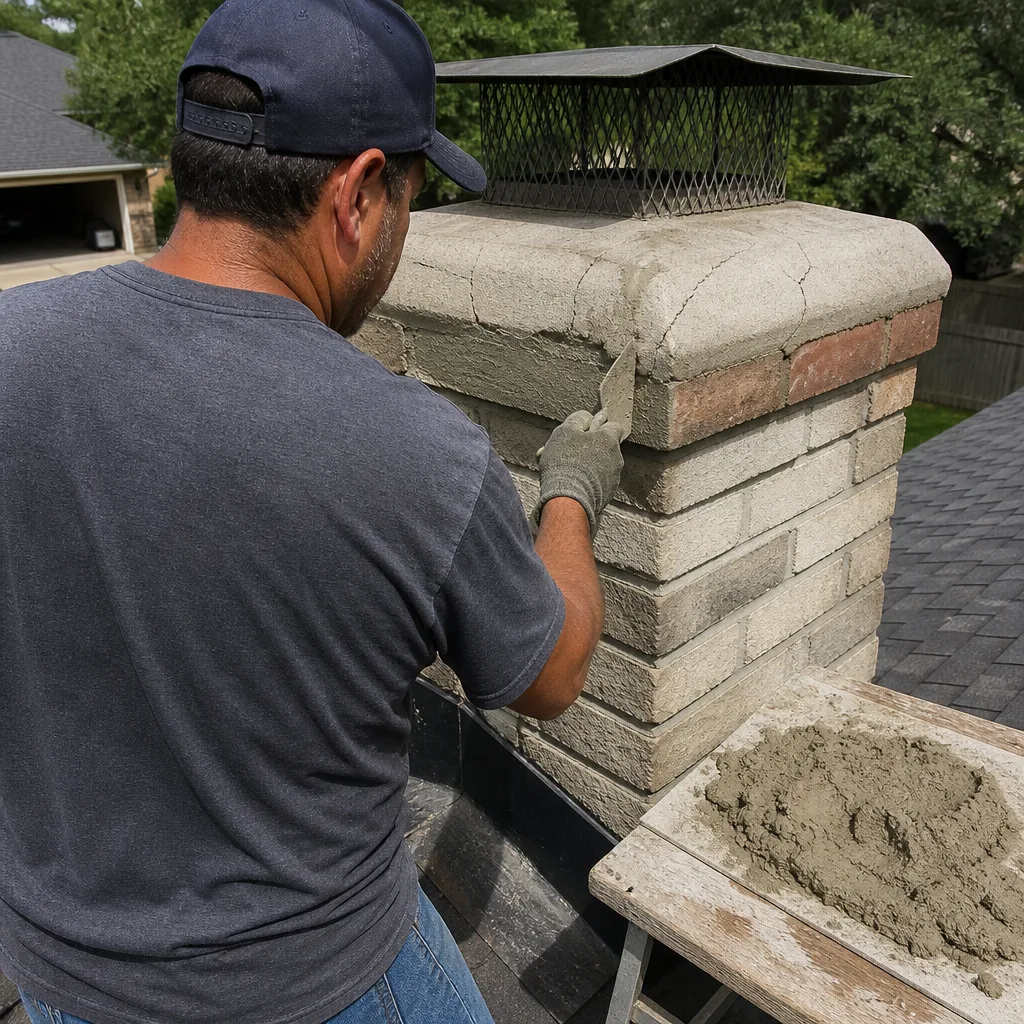
The crown is the concrete or mortar slab that seals the chimney top; the cap is the metal cover that keeps rain and animals out. In Fort Worth’s climate - hot summers, freeze-thaw winters, and sudden hail events - crown deterioration is accelerated. Cracks in the crown allow water into the flue system, where it mixes with creosote to form acidic compounds that degrade liners and mortar. We inspect from the roof or with a pole camera, document crown condition, and note cap fit and spark arrestor function. Materials for crown repair and replacement come through our Haven buying network, including HeatShield refractory systems and DuraFlex liner components.
Why North Texas Creosote Is Different
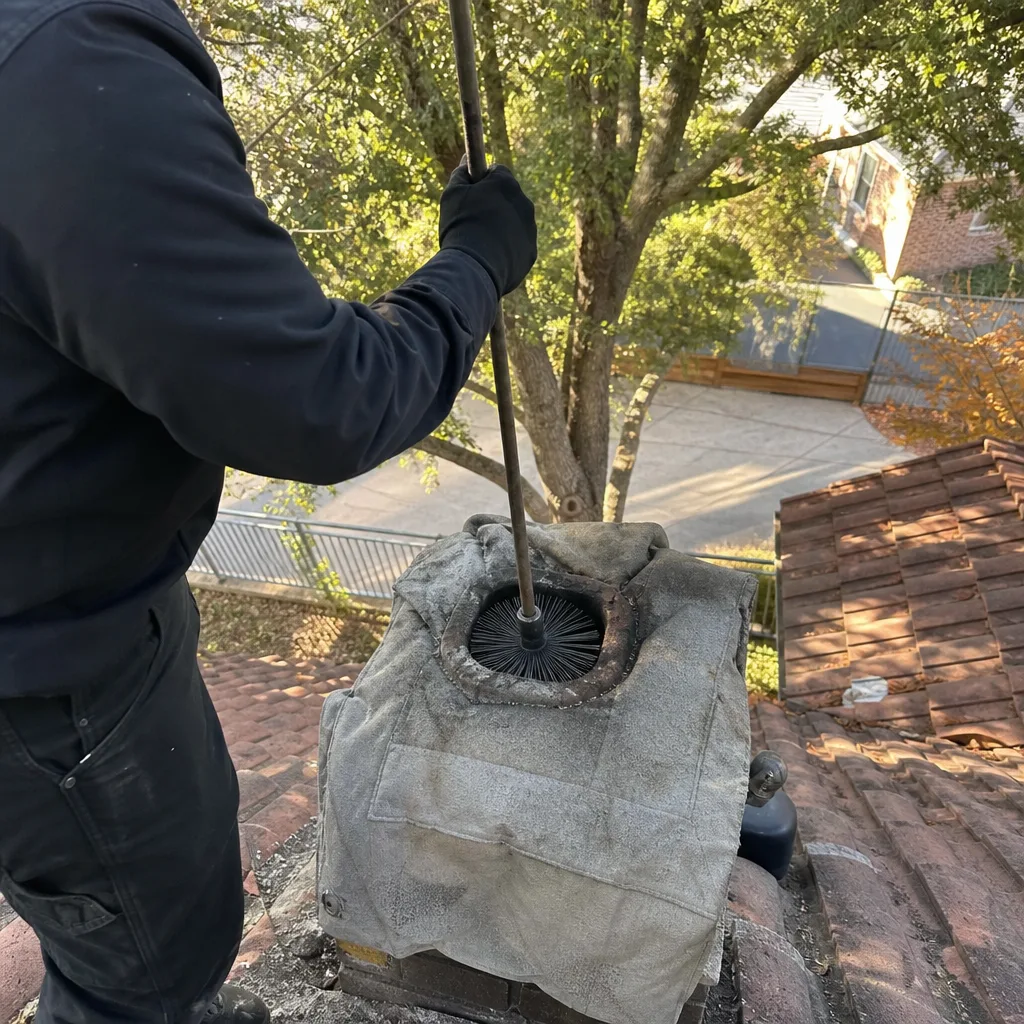
Creosote chemistry varies by wood species, moisture content, and burning behavior. Fort Worth homeowners burn differently than homeowners in Minnesota or Vermont, and the deposits reflect that.
North Texas firewood is predominantly post oak, live oak, and cedar, harvested locally or brought from Central Texas. These species are naturally low in moisture - 15-20% when properly seasoned, compared to 25-30% for northeastern hardwoods. Low-moisture wood burns hotter and faster, which seems ideal but creates a specific problem: the flue gas reaches the smoke chamber and liner at higher temperatures, then cools rapidly as it rises through the exterior chimney in our mild winters. This temperature differential causes rapid condensation of pyrolysis byproducts, forming glazed Stage 2 creosote rather than the fluffy Stage 1 that brushes away easily.
Stage 2 creosote is shiny, hard, and has a higher ignition temperature than Stage 1, but once ignited it burns far more intensely. The NFPA identifies it as a significant fire hazard precisely because it accumulates invisibly - a brush pass through the flue may show “clean” tile while the chamber above is coated. In Fort Worth’s short burning season (typically late November through February), homeowners often run intense weekend fires rather than steady daily heating. This intermittent high-heat cycling accelerates Stage 2 formation.
We’ve documented this pattern across Fort Worth neighborhoods:
- Wedgwood and Wedgwood East: Older masonry chimneys with original clay liners, heavy Stage 2 accumulation in smoke chambers after 2-3 seasons without camera inspection
- Tanglewood and Overton Park: Larger homes with multiple fireplaces, often one used heavily and others neglected, creating inconsistent maintenance records
- Near Southside and Magnolia: Renovated historic homes with modified flue systems, frequent findings of incompatible liner sizes and accelerated creosote at transition points
- Far North Fort Worth and Fossil Creek: Newer construction with factory-built metal chimneys, often showing warranty-voiding installation errors that trap condensate
The tool for Stage 2 removal is a rotary cleaning system - chains or whips driven by a drill at controlled speed - not standard brushes. Chemical treatment with a creosote modifier may be required for heavy deposits. We do not proceed with rotary removal without a camera baseline; Clause 4 of the Haven Standard requires photo documentation before and after any mechanical cleaning that alters liner surface condition.
What a Level 2 Camera Scan Shows That a Flashlight Misses
A standard Level 1 inspection, as defined by NFPA 211, is a visual examination of readily accessible portions of the chimney exterior, interior, and appliance connection. “Readily accessible” means what can be seen with a flashlight and mirror from the firebox or roof. A Level 2 inspection adds a camera scan of the flue interior and accessible portions of the smoke chamber and smoke shelf.
The difference is not incremental. It’s categorical.
What a flashlight sees:
- The first 12-18 inches of flue liner above the damper, if the damper is open and the inspector is positioned correctly
- Surface condition of firebox walls and floor
- Obvious crown cracks or missing cap components from the roof
What a camera scan sees:
- The full vertical length of the flue liner, including tile joints, offset connections, and transition points between chimney sections
- Liner displacement or settlement cracks invisible from either end
- Stage 2 creosote glazing on liner walls that appears “clean” to direct light but shows as reflective buildup under camera angle
- Smoke chamber wall condition, including exposed corbelled brick, missing mortar, and unpargeed surfaces
- Smoke shelf accumulation and nesting material
- Water staining patterns that indicate active leaks versus historical moisture
- Spalling (surface flaking) of clay tile that precedes structural failure
In 2019, we inspected a chimney in the River Oaks area of Fort Worth that had received a “clean sweep” certificate from another company three weeks prior. Our camera scan revealed a 3-foot vertical crack in the flue liner, visible only from an upward angle inside the firebox, with Stage 3 creosote pooled at the crack base. The previous sweep had run brushes through the flue from the roof, verified “clean” by flashlight from the top, and never looked from below. The homeowner was burning fires three feet from a liner breach that would have allowed exhaust into the wall cavity.
This is why Clause 4 of the Haven Standard requires a documented photo record on every visit - not as an upgrade, but as the baseline. We’ve maintained this practice since 2009, before insurers or regulators asked for it. The camera doesn’t replace the technician’s judgment; it makes that judgment verifiable.
How to Read a Written Sweep Report
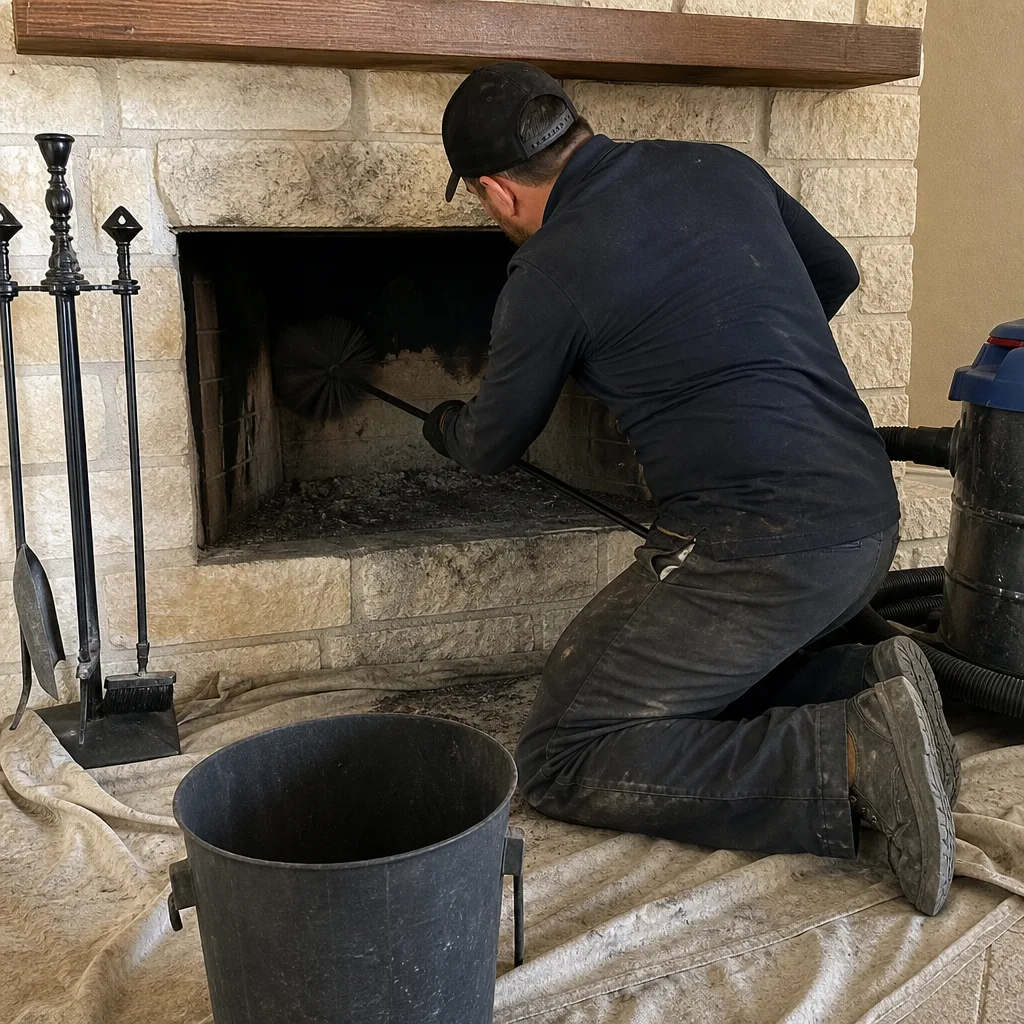
After a proper chimney cleaning, you should receive a written report before the technician leaves. Not an email later. Not a verbal summary. A physical or digital document with specific line items that you can reference, compare, and submit to your insurer if required.
Here’s what belongs in that report, and what its absence signals:
| Line Item | What It Means | Absence Signals |
|---|---|---|
| Appliance type and fuel source | Confirms the sweep matched tools and procedures to your specific fireplace or insert | Generic process; possible incorrect brush sizing or cleaning method |
| Flue liner material and dimensions | Documents whether you have clay tile, metal, or cast-in-place; notes any sizing discrepancies | No baseline for future comparison; potential missed compatibility issues |
| Creosote stage and location by zone | Names Stage 1, 2, or 3; specifies firebox, smoke chamber, flue liner, or combination | “Clean” without qualification; likely a brush-only flue pass with no chamber inspection |
| Smoke chamber condition | Notes parged or unpargeed, corbeled or straight, any exposed brick or mortar loss | The chamber was not accessed; this is where 27% of post-cleaning fires originate |
| Crown and cap condition with photo references | Describes cracks, spalling, or proper seal; references photo numbers in the record | No exterior inspection performed; water damage risk unassessed |
| Clearances to combustibles | Verifies framing, mantel, and surround meet NFPA minimums | Fire safety verification skipped; insurance claim may be denied after incident |
| Recommendations with priority ranking | Distinguishes “monitor annually” from “repair before next use” from “immediate safety concern” | Everything is “recommended” without prioritization; likely upsell pressure, not assessment |
| Photo documentation with timestamps | Camera images keyed to report sections, showing condition before and after work | No verifiable record; Clause 4 of the Haven Standard not met |
| Written price for any recommended work | Specific dollar amount, scope description, and warranty terms before any commitment | “Call for quote” or verbal estimate; no protection from scope expansion |
In Fort Worth, we’ve reviewed competitor reports that listed “chimney clean” as a single line item with a checkmark. No zones. No stages. No photos. No price for recommended work. That report protects no one - not the homeowner, not the sweep, not the insurer. The Haven Standard’s Clause 1 requires a written price, written scope, and written warranty before any work begins. If your sweep report doesn’t include these elements, you haven’t received a documented service.
The Documented Record Requirement Under NFPA 211
NFPA 211, the standard for chimneys, fireplaces, vents, and solid fuel-burning appliances, does not explicitly mandate photo documentation. It requires that inspections be “documented.” The gap between those two words is where most chimney companies operate, and where most homeowners assume protection that doesn’t exist.
“Documented” in the NFPA context means a written record of findings, recommendations, and the inspector’s qualifications. It does not require images, video, or timestamped evidence. This is why a handwritten checklist with checkboxes satisfies the standard while providing almost no protection to the homeowner.
Clause 4 of the Haven Standard closes this gap. Since 2009, we’ve required a photo record on every visit: images of the firebox, smoke chamber (via camera), full flue liner scan, crown and cap, and any findings that support recommendations. These images are archived and available to the homeowner on request. If an insurer asks for evidence of maintenance, if a home sale requires disclosure, if a dispute arises about whether a condition was pre-existing - the record exists.
For Fort Worth homeowners, this matters in specific ways:
- Home sales in hot markets: In neighborhoods like Berkeley Place and Mistletoe Heights, where 2015-2025 purchases are now reselling, buyers’ inspectors frequently flag chimney conditions. A documented record from Level Two shows maintenance history with dates and images, often resolving the issue without re-inspection.
- Insurance claims: After a chimney fire or water damage, insurers may deny claims for “lack of maintenance.” A written sweep report with photo record is concrete evidence of due diligence.
- Warranty disputes: Factory-built fireplace warranties often require annual inspection by a qualified professional. A checklist without photos may not satisfy the manufacturer’s documentation requirement.
We provide this record as standard, not as an add-on. The materials we use - Famco caps, Copperfield components, and others sourced through our Haven buying network - carry their own warranties, but those warranties require installation documentation. Our photo record serves both purposes.
Chimney Cleaning Cost in Fort Worth
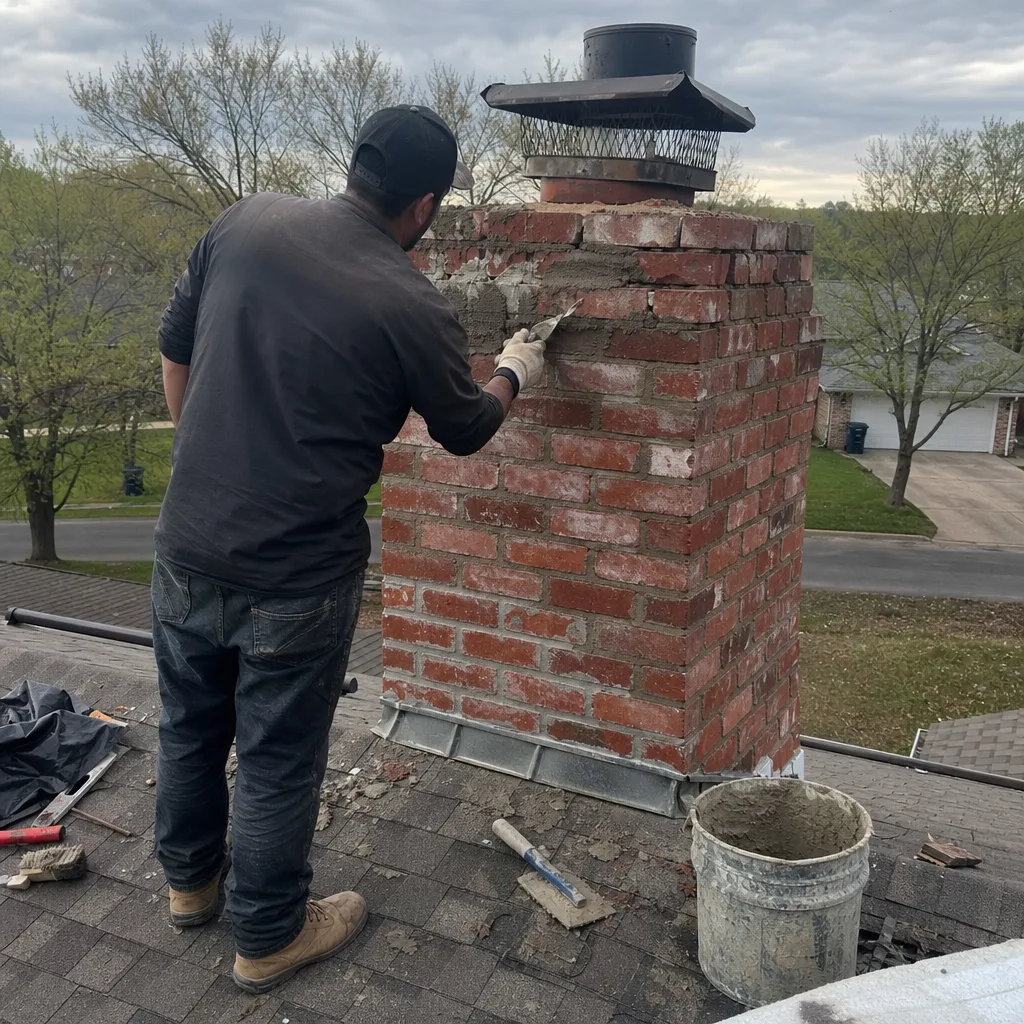
Price transparency is Clause 1 of the Haven Standard. We do not ask homeowners to call for a quote or accept a price after a technician is already in their home. Below is the actual pricing structure for chimney cleaning and sweep in Fort Worth.
| Service Level | What’s Included | Price Range |
|---|---|---|
| Standard Sweep with Level 1 Inspection | Firebox and flue liner cleaning, visual exterior inspection, basic written report | $180-$250 |
| Complete Sweep with Level 2 Camera Scan | Five-zone cleaning, full camera scan of flue liner and smoke chamber, photo documentation, written report with findings and recommendations | $320-$480 |
| Heavy Creosote Removal (Stage 2/3) | Rotary mechanical cleaning, chemical treatment if needed, before/after camera documentation, priority re-inspection scheduling | $480-$720 |
| Fireplace Insert or Gas Appliance Service | Appliance-specific cleaning, venting inspection, gas pressure and leak testing where applicable, manufacturer documentation | $280-$420 |
Factors that affect where you fall in these ranges:
- Chimney height and accessibility: Two-story homes in Hillside and Mira Vista require longer equipment setup; steep-pitched roofs add safety time
- Number of appliances: Homes with both a fireplace and a wood stove, or multiple flues, require additional cleaning passes
- Time since last service: Chimneys with 3+ years of accumulation typically require extended cleaning and more frequent camera verification
- Known animal intrusion: Nest removal from the smoke shelf or flue adds time and requires specialized tools to avoid liner damage
Every price is delivered in writing before work begins. Every recommendation is supported by photo evidence you can see. If you have a written estimate from another company, we offer a Free Second Opinion - bring it in, and we’ll review their findings against what our camera shows.
Common Mistakes to Avoid
- Hiring based on the lowest price alone. A $99 sweep special in Fort Worth typically covers only a brush pass through the flue from the roof, with no chamber access, no camera, and no written report. We’ve re-inspected dozens of these “clean” chimneys and found significant Stage 2 creosote remaining.
- Assuming a clean flue means a safe system. The flue liner can be brush-clean while the smoke chamber above is coated with glazed creosote. Without camera verification, you cannot know the difference.
- Ignoring the crown because “it looks fine from the ground.” Crown cracks visible only from the roof allow water intrusion that destroys liners from the outside. In Fort Worth’s hail-prone climate, we’ve replaced crowns with no exterior cracking visible from below but extensive internal spalling.
- Burning unseasoned wood “because it’s cheaper.” Green oak or improperly stored wood from recent storms creates Stage 3 creosote in a single season. The savings on firewood are erased by the cost of mechanical removal or liner replacement.
- Skipping service because “we only use the fireplace twice a year.” Infrequent use with poor technique - damp wood, restricted air, smoldering fires - creates more creosote than regular hot burns. Two improperly managed fires can deposit more glaze than twenty proper ones.
- Accepting verbal recommendations without written price. If a sweep finds “a problem” but can’t put the scope and price in writing before you agree, you have no protection against scope expansion. Clause 1 of the Haven Standard exists because we’ve seen homeowners quoted $400 verbally end up with $2,400 invoices.
- Not requesting the photo record before the technician leaves. Once the truck is gone, so is your leverage. Review the images while the sweep is present, ask questions, and confirm they match the written report before signing completion.
When to Call a Professional
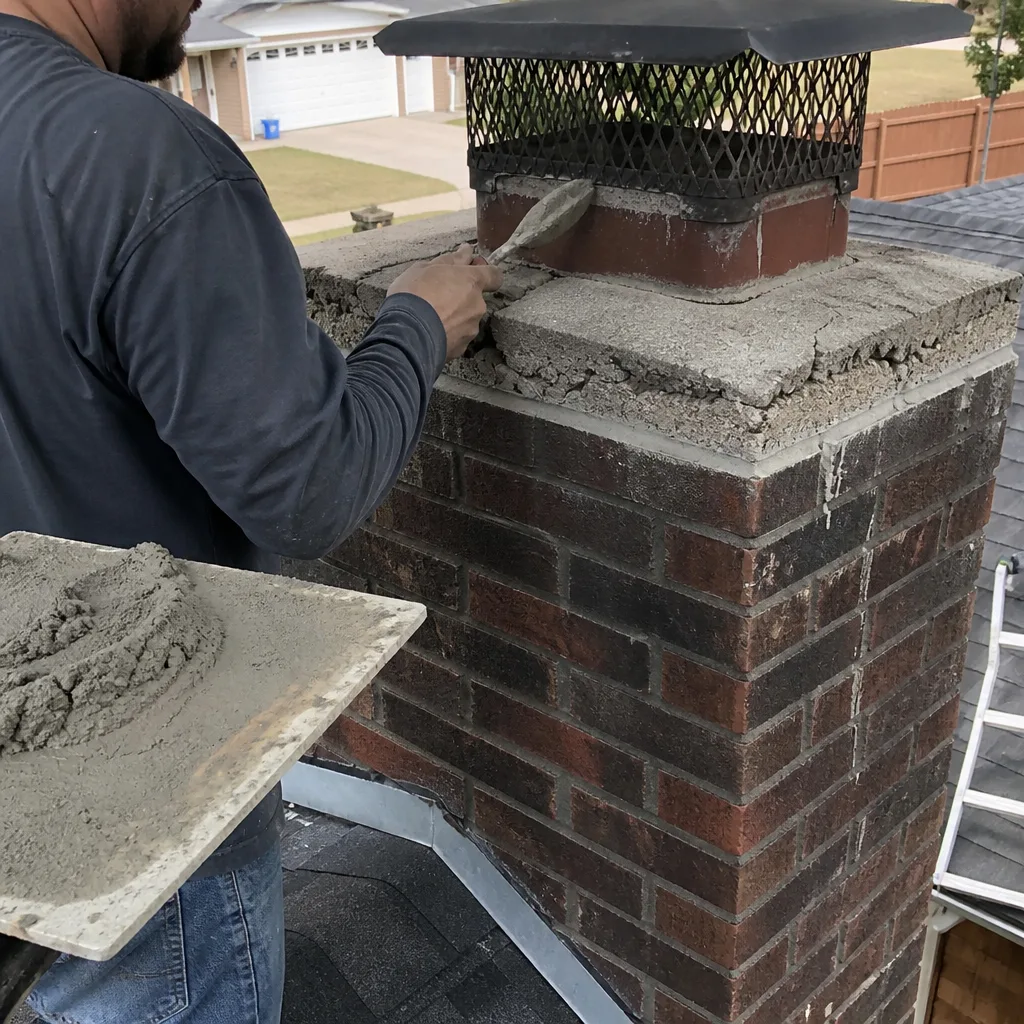
For year-round maintenance timing, see our Seasonal Chimney Cleaning Care for Fort Worth: Year-Round Homeowner’s Guide, and call for service before burning season begins, ideally in September or October, when scheduling is available and any needed repairs can be completed before first use. Specific situations that warrant immediate professional attention include: visible creosote flakes in the firebox, a strong tar odor when the damper is closed, smoke entering the room during use, water staining on interior walls near the chimney, or any chimney fire event - even one that self-extinguished.
Do not attempt to clean a chimney yourself if you must access the roof, work near the flue opening, or handle glazed creosote removal. These involve fall hazards, respiratory exposure, and potential liner damage from improper tools. Fireplace services in Fort Worth should be performed by technicians with documented training and proper equipment.
Level Two Chimney Fort Worth offers free estimates in Fort Worth. Call (682) 499-2712 to schedule a Level 2 inspection with camera scan, written price, and documented photo record.
Frequently Asked Questions
A standard chimney sweep with Level 1 inspection in Fort Worth costs $180-$250, while a complete five-zone cleaning with Level 2 camera scan runs $320-$480. Heavy creosote removal or multi-appliance service may reach $720. Call (682) 499-2712 for a written estimate specific to your chimney - estimates are free.
The NFPA recommends annual inspection for all chimneys, with cleaning frequency determined by use and fuel. In Fort Worth’s climate, with our short burning season and low-moisture oak and cedar, most wood-burning fireplaces need sweeping every 1-2 cord burned - typically annually for regular users, every 2-3 years for occasional use. Gas appliances require annual inspection but less frequent cleaning. Call (682) 499-2712 to discuss your specific burning pattern.
A liner replacement is necessary when the existing liner is cracked, displaced, or improperly sized for the appliance - conditions that allow exhaust leakage, creosote accumulation, or draft failure. We do not recommend liner replacement without camera evidence you can see yourself, and we will plainly tell you when a condition can be monitored rather than repaired. Our Free Second Opinion on any written estimate ensures you have verifiable information before committing. Call (682) 499-2712 to schedule.
Skipped cleaning allows creosote to accumulate through Stage 1 into Stage 2 and Stage 3, increasing fire risk and reducing draft efficiency. In Fort Worth, where many homeowners burn intermittently with intense fires, Stage 2 glazing develops faster than in colder climates. Water intrusion from an unmaintained crown compounds the problem, creating acidic compounds that degrade mortar and liner. The result is higher repair costs, potential insurance claim denial, and measurable fire risk. Call (682) 499-2712 for a camera inspection that shows your current condition.
A sweep is the physical removal of deposits from the flue system; an inspection is the evaluation of condition, clearances, and safety. They are separate procedures under NFPA 211, though they are often performed together. A sweep without inspection cannot identify liner cracks, clearance violations, or crown deterioration. An inspection without sweep leaves existing creosote in place. Level Two includes both, with camera documentation, on every visit. Call (682) 499-2712 to schedule.
Firebox ash removal and basic damper maintenance are within most homeowners’ ability. However, flue liner brushing from the roof involves fall and ladder hazards, smoke chamber access requires specialized tools and knowledge of fireplace geometry, and Stage 2 or 3 creosote removal with rotary equipment can damage liners if misapplied. We do not recommend DIY cleaning for any component requiring roof access, mechanical power tools, or chemical treatment. Call (682) 499-2712 for professional service with documented results.
The Bottom Line
Chimney cleaning in Fort Worth is not a single procedure but a five-zone system service, and the difference between a safe fireplace and a hidden hazard lies in what gets inspected, not just what gets brushed. North Texas’s specific wood species and burning patterns create creosote profiles that standard flue-brush sweeps miss. A Level 2 camera scan of the smoke chamber and full flue liner, with documented photo record, is the only way to verify that “clean” means actually clean. Demand a written report with zone-specific findings, written price before any work, and archived documentation you can reference for insurance, resale, or warranty purposes. These are not upgrades. They are the baseline of professional service, and they have been Clause 4 of the Haven Standard since 2009. Explore more guides & resources to protect your home.
Written by Corrine Halstead, Owner at Level Two Chimney Fort Worth, serving Fort Worth since 2009.