
Level 1 sweep and inspection to the NFPA 211 annual standard - flue, crown, cap, and flashing checked and photographed
Chimney sweep logs do not sweep chimneys. They loosen some creosote - which then falls where a brush and vacuum still have to collect it.
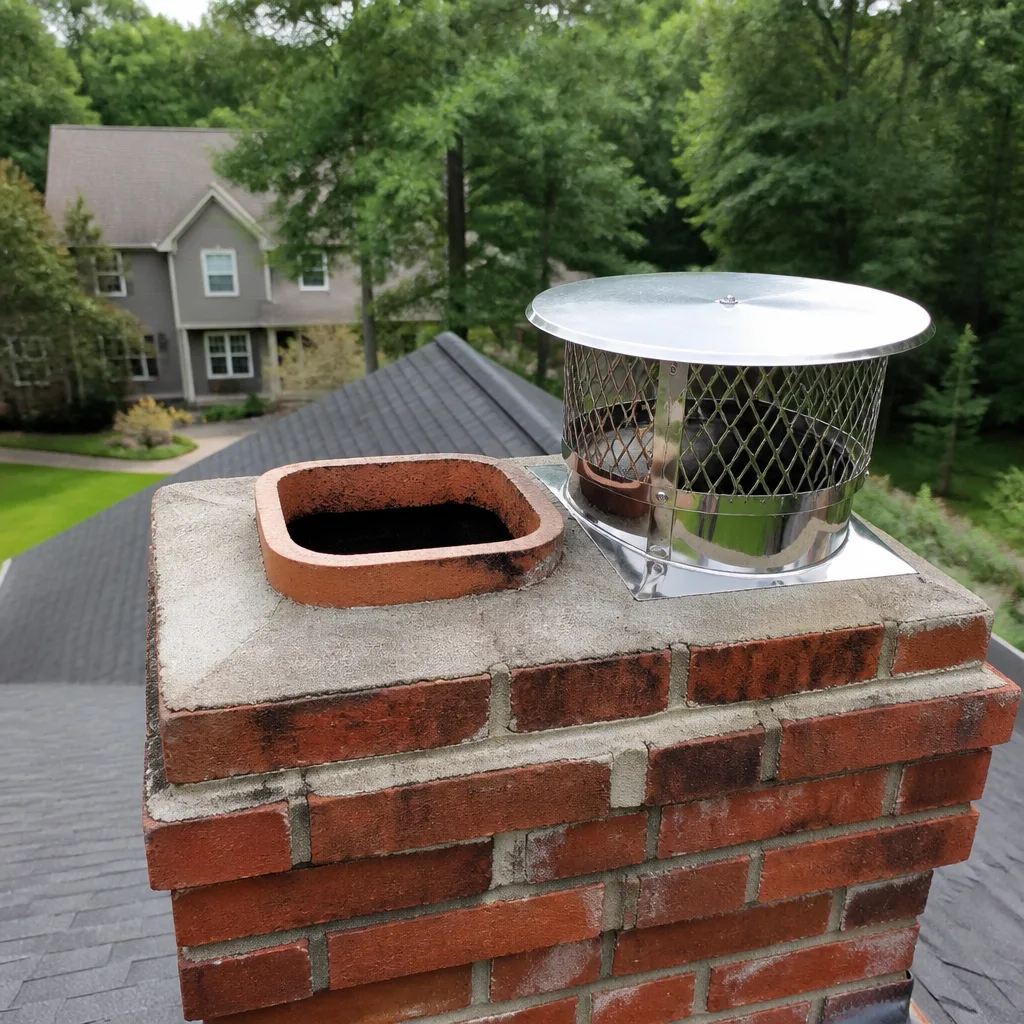
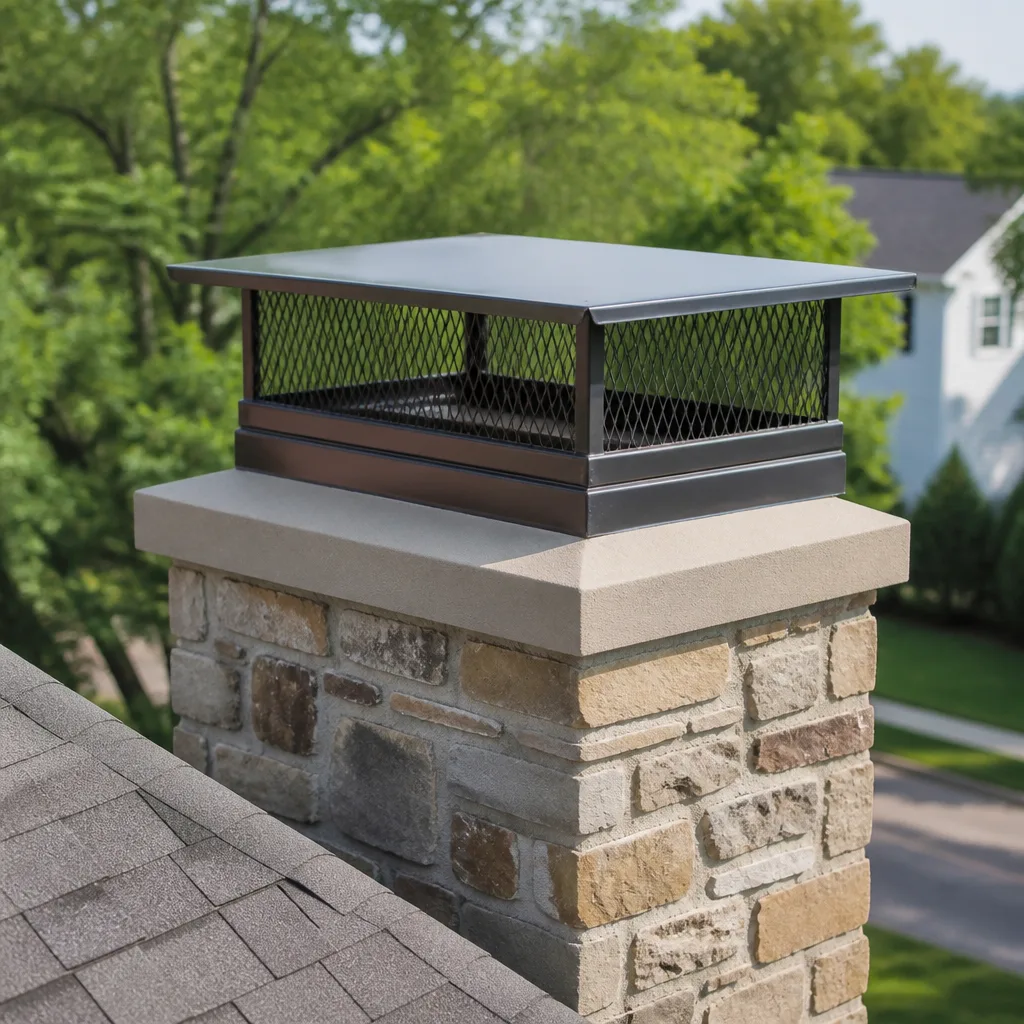
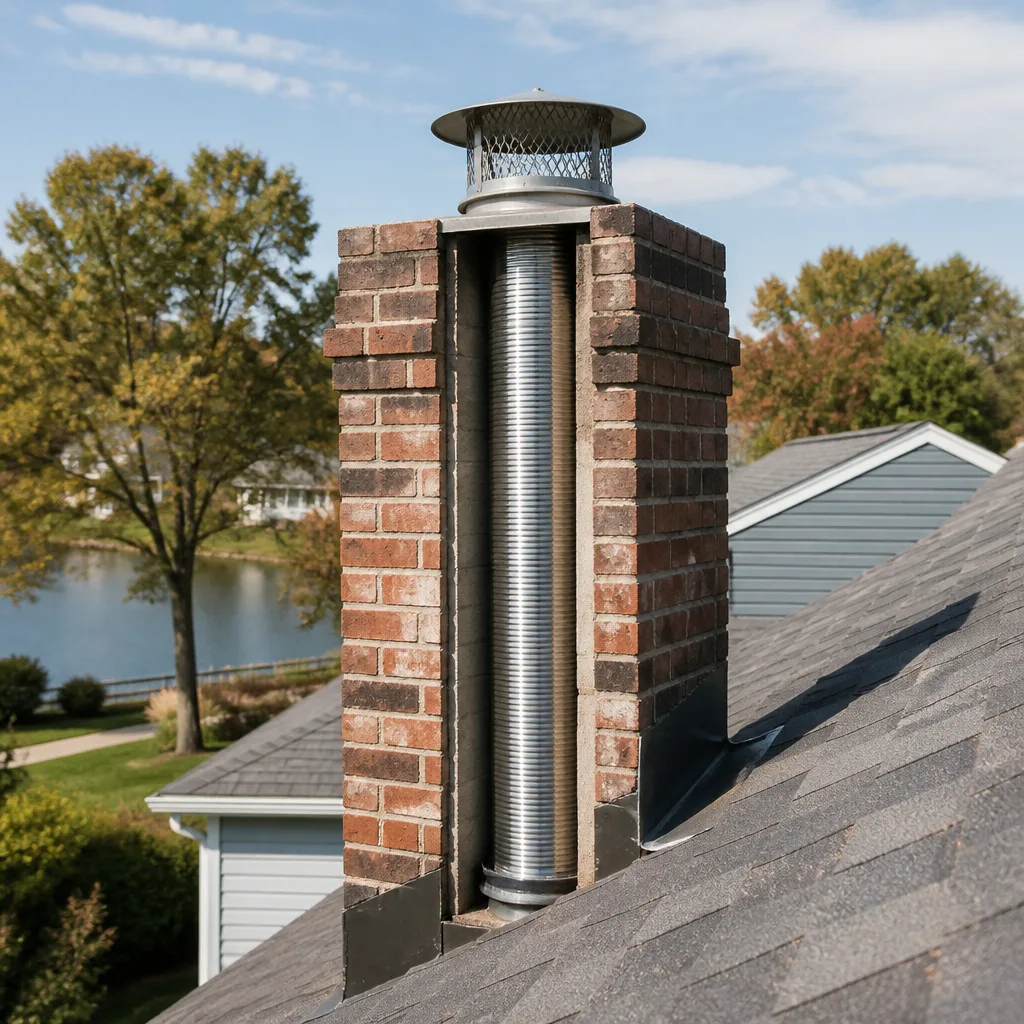
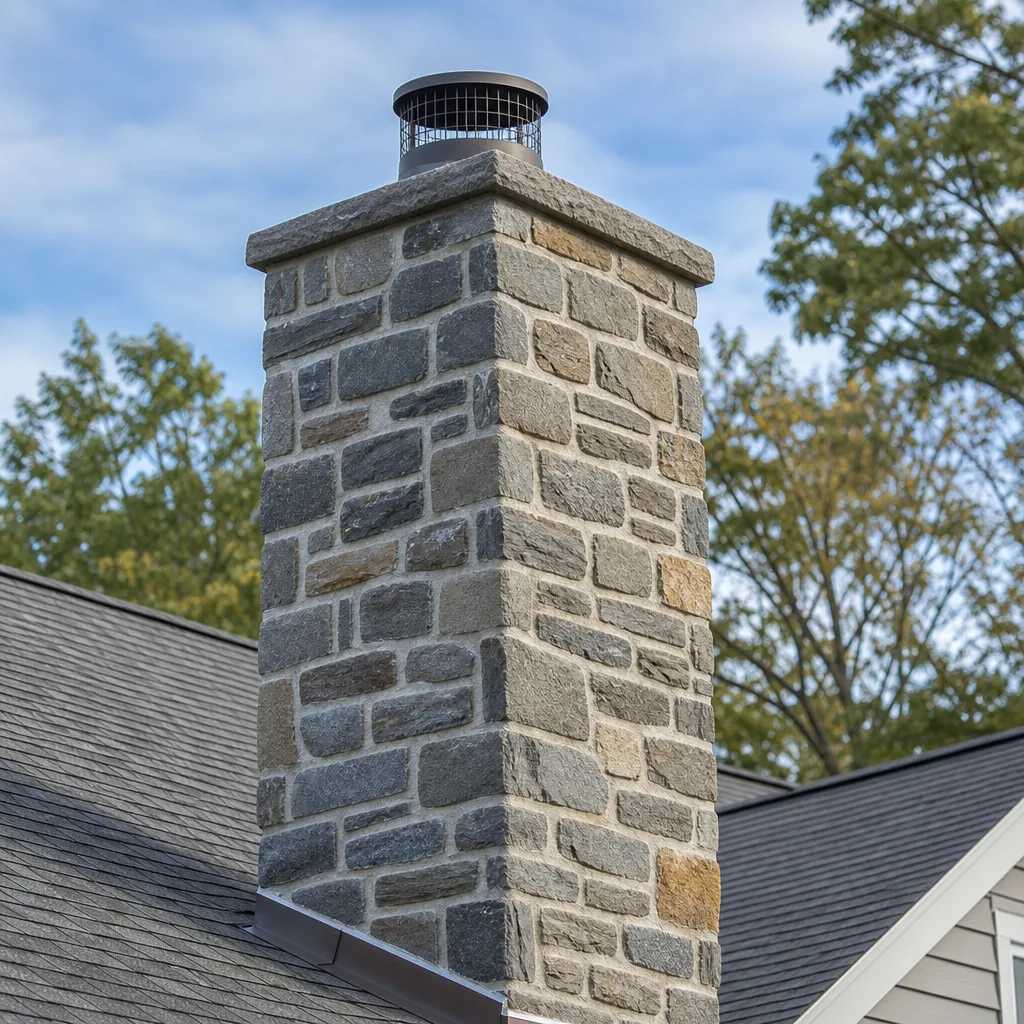
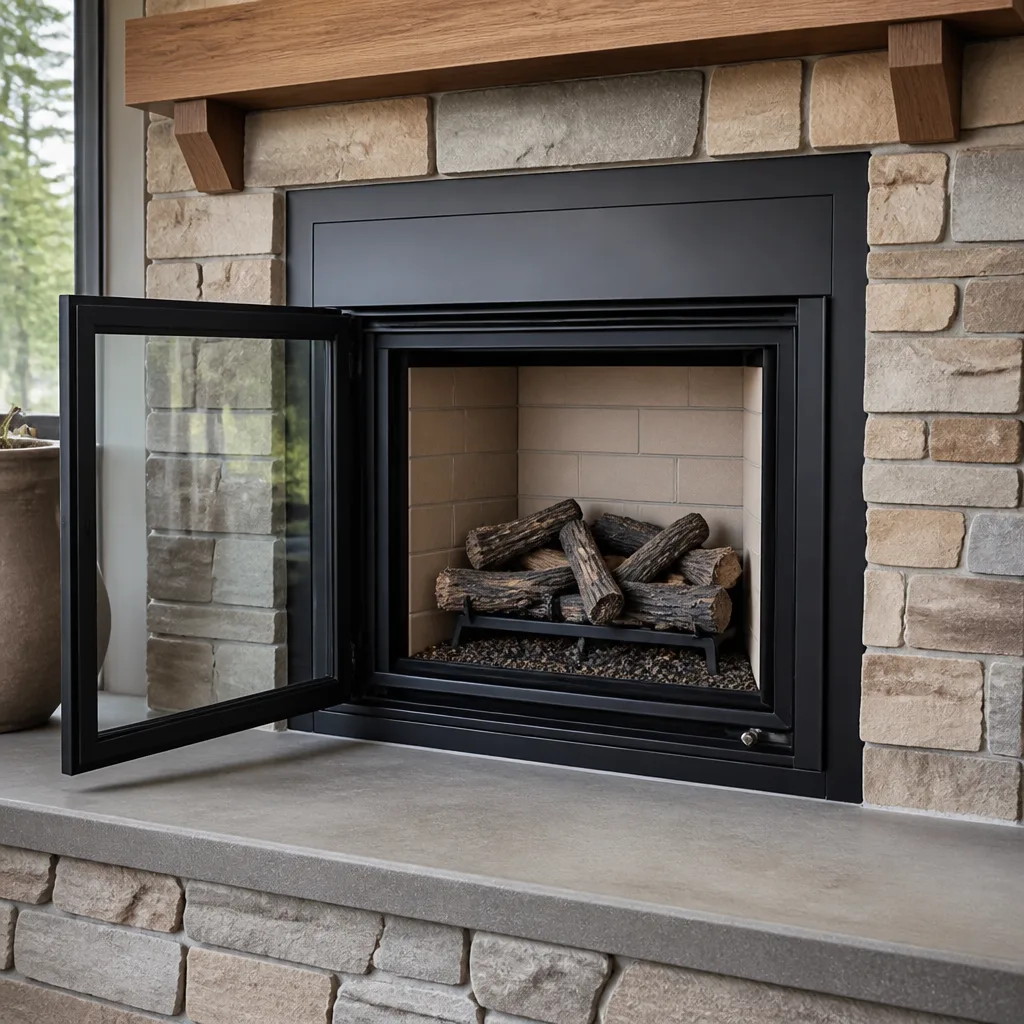
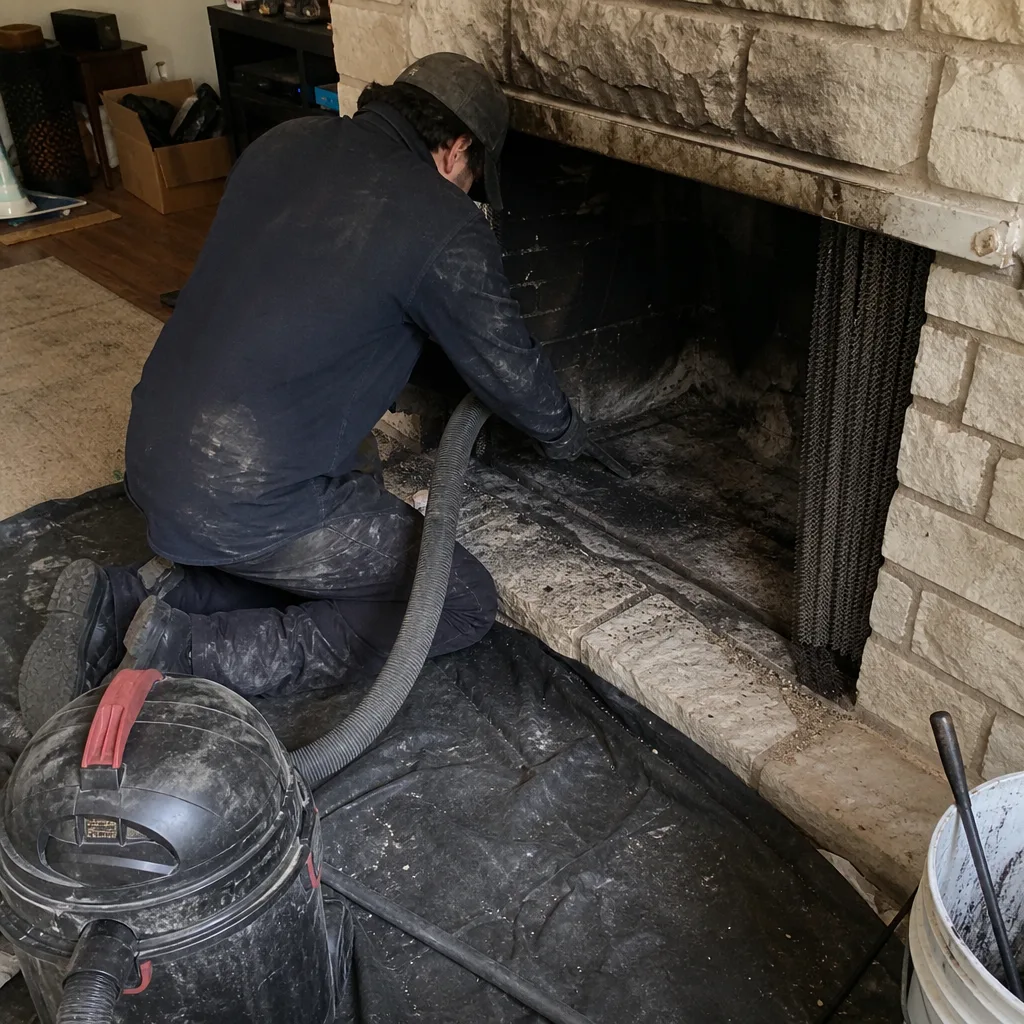 Before
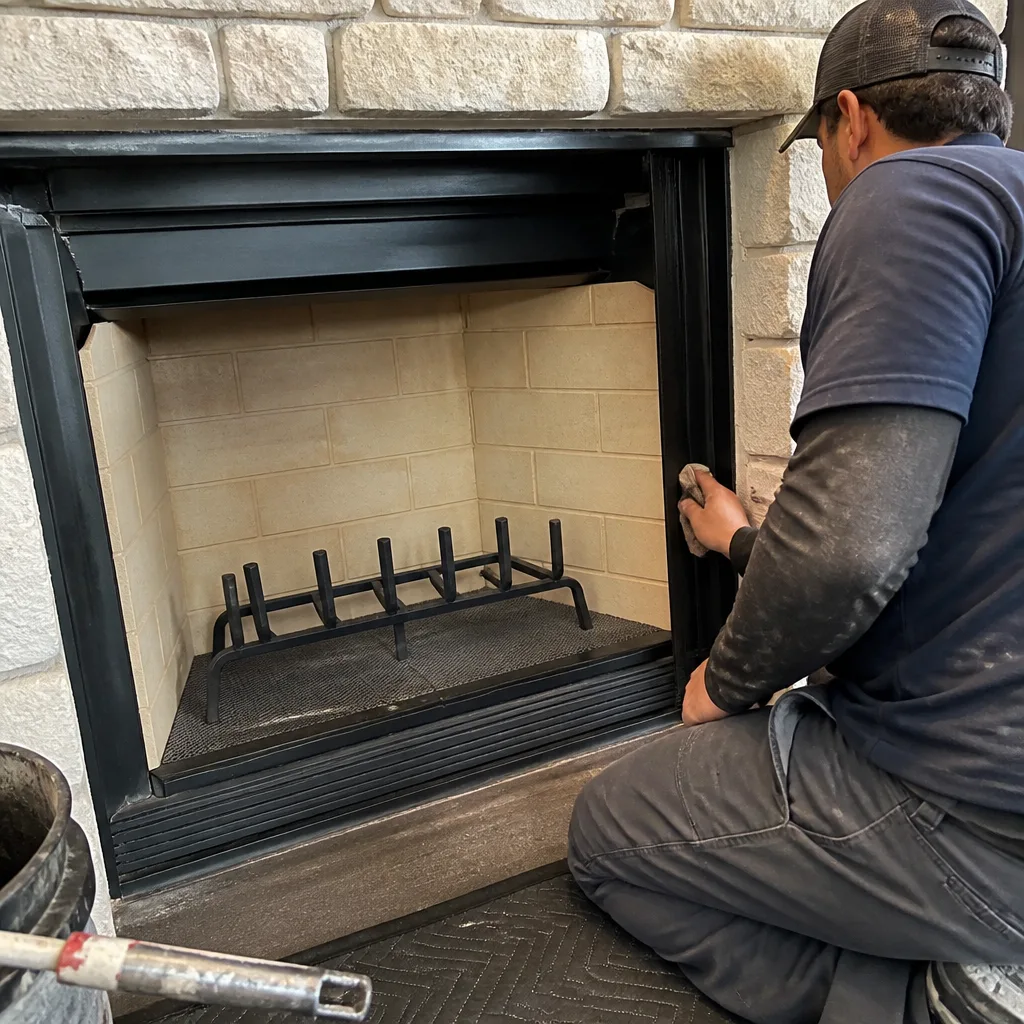 After
After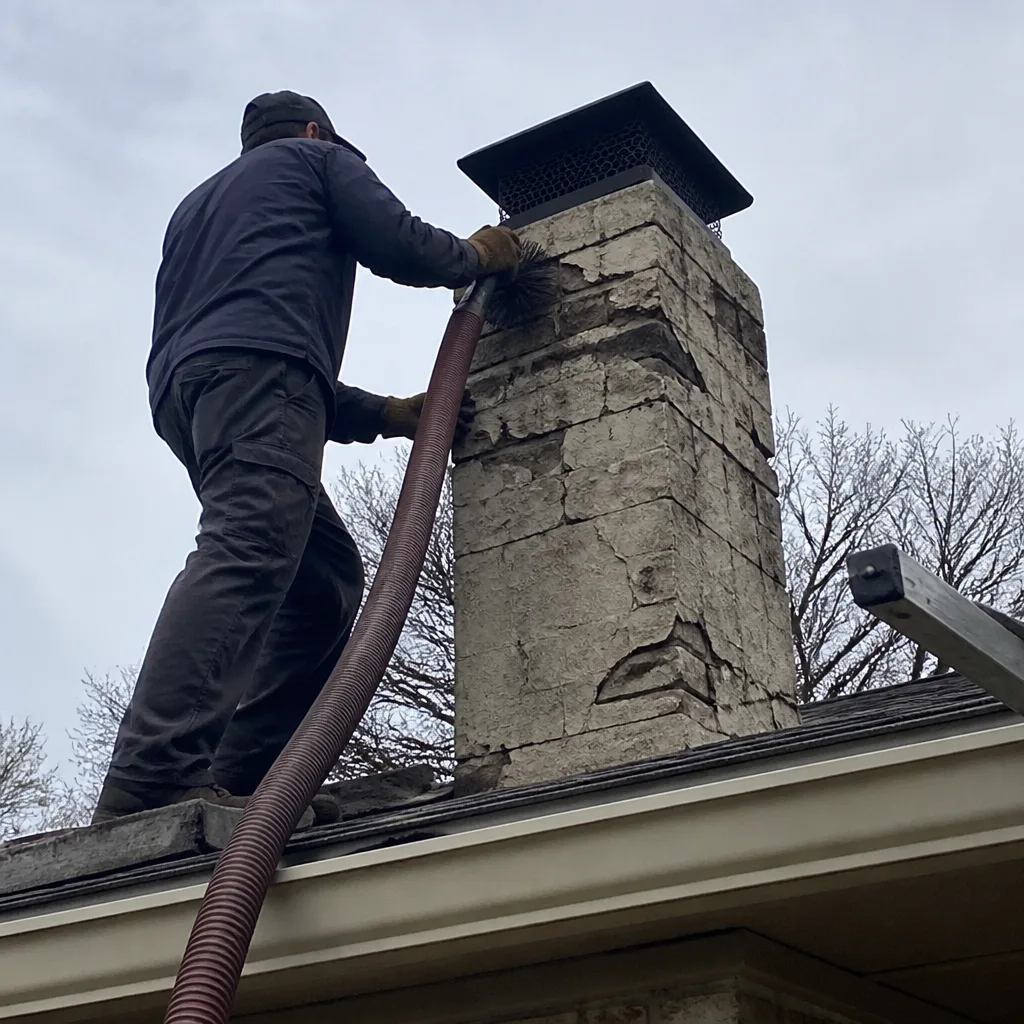 Before
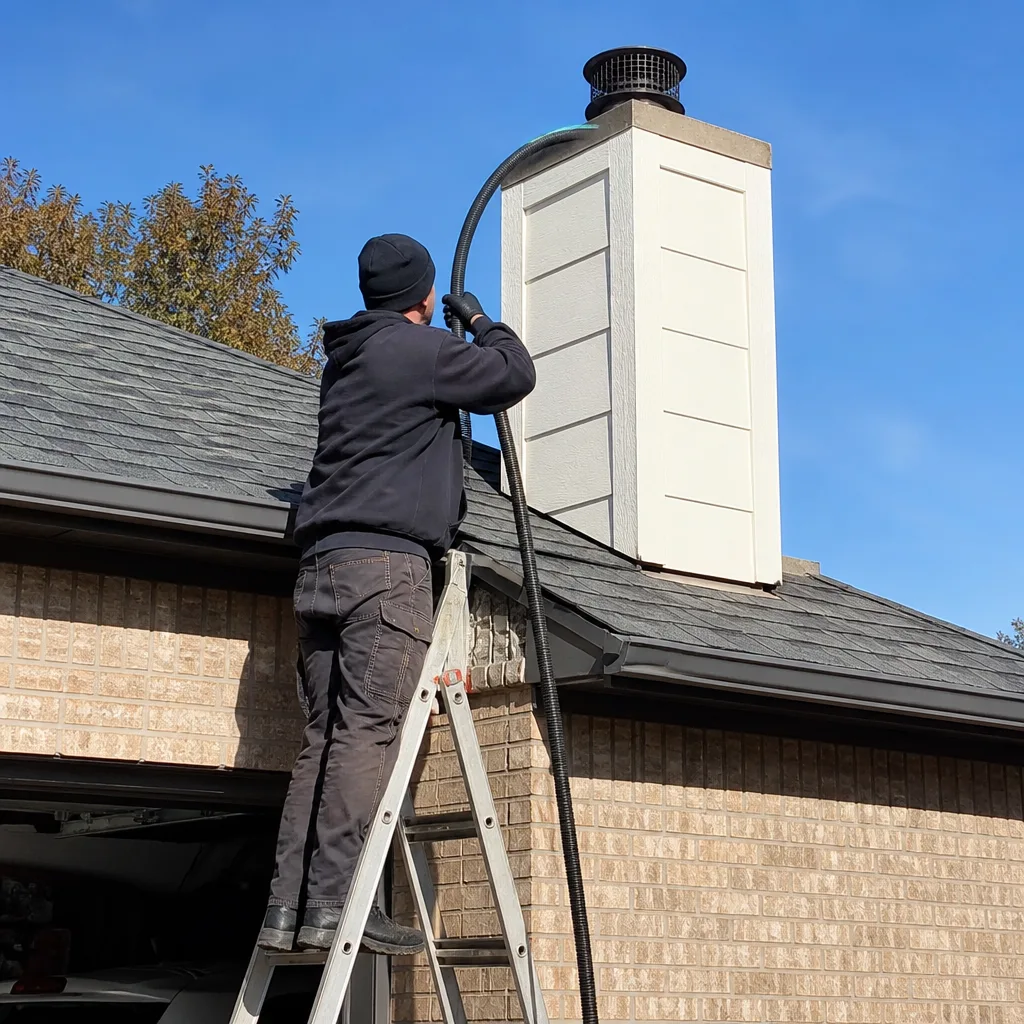 After
After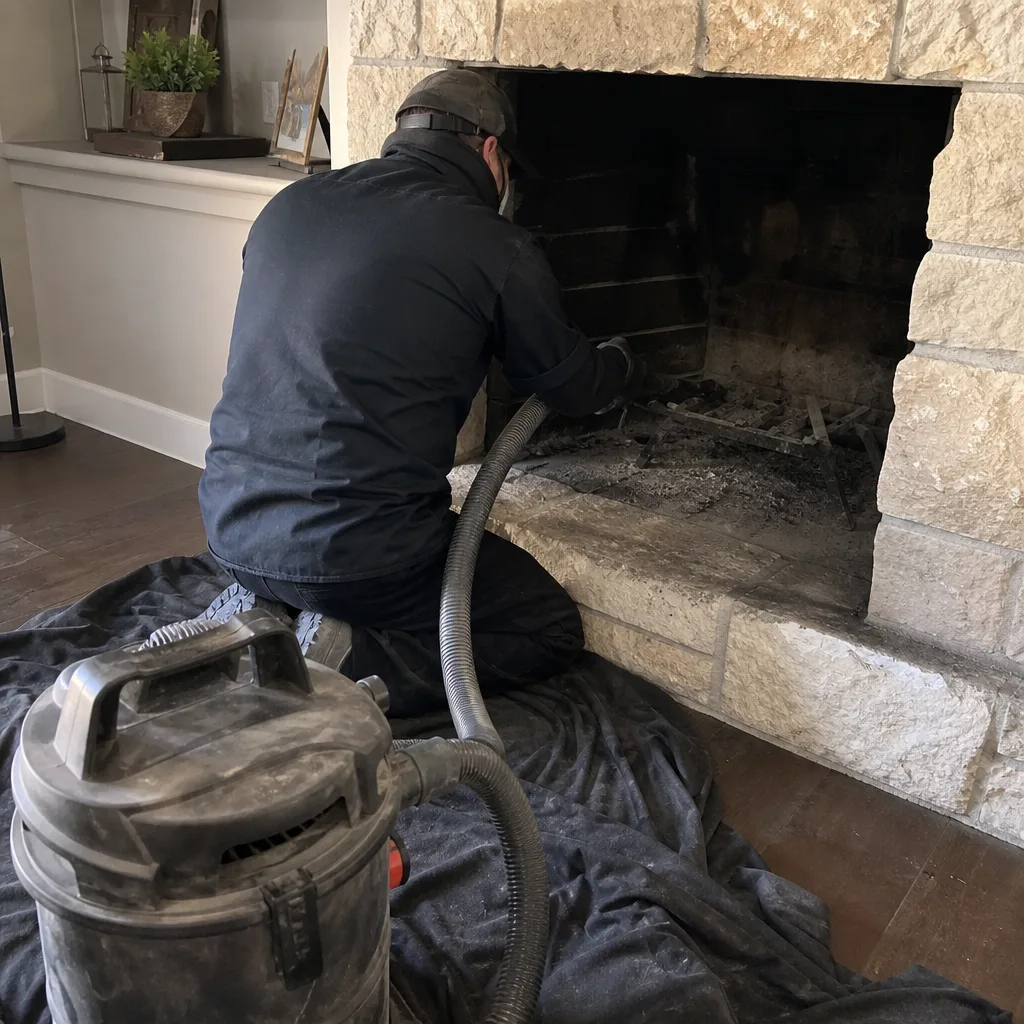 Before
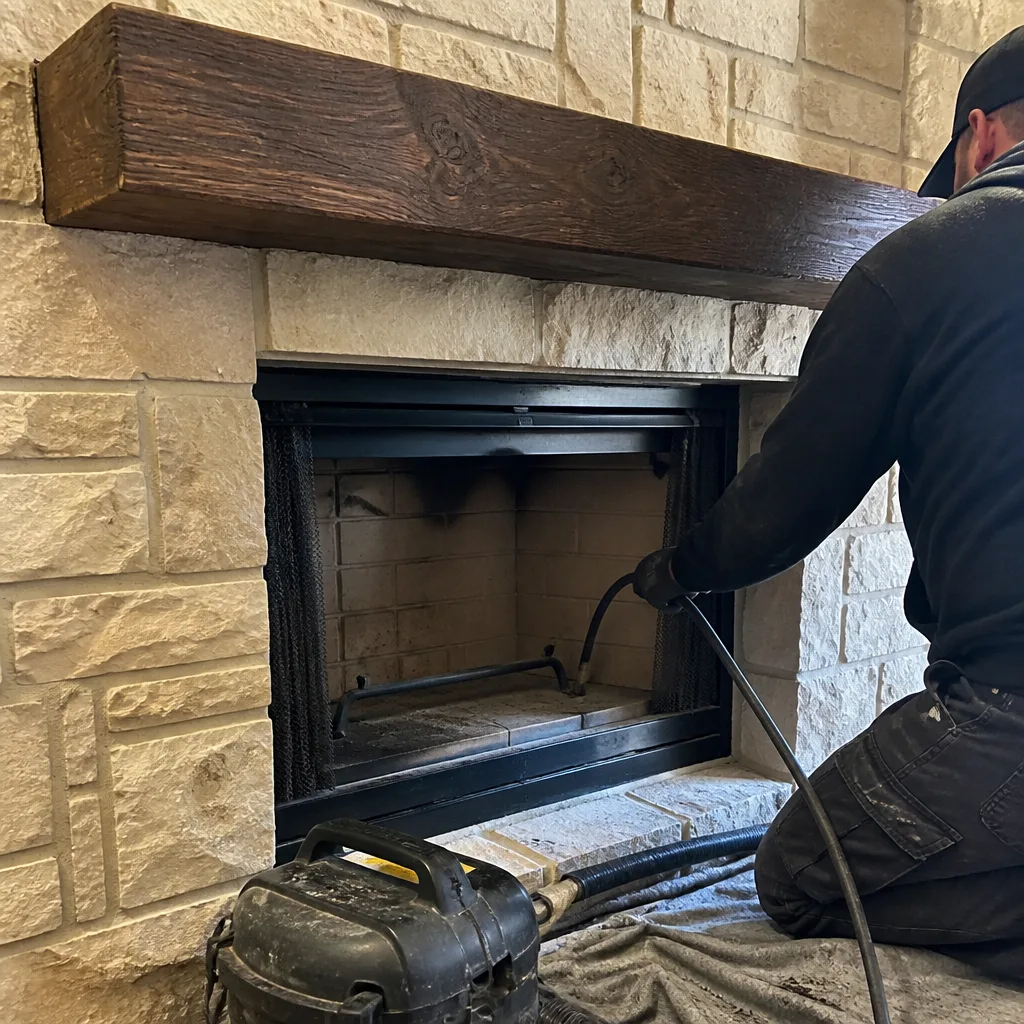 After
AfterSoot Removal in Fort Worth, TX
Soot removal in Fort Worth typically costs between $149 and $349, depending on how much buildup is present, how accessible your flue is, and whether a Level 2 camera inspection is included. Most Chimney Cleaning & Sweep services for a single fireplace are completed in one visit, with a written price confirmed before the technician lifts a brush.
Soot is the fine black powder that forms on every surface a fire touches – flue liner walls, smoke chamber, damper plate, and firebox floor. A light layer after a handful of fires is normal. Thick, oily accumulation that coats the flue liner is not. Left in place, it narrows the exhaust path, contaminates indoor air, and gives Class II or Class III creosote a surface to bond to. That last part matters because creosote is what burns; soot is just what slows the system down until it does.
Level Two Chimney Fort Worth has been camera-scanning and cleaning chimneys across Fort Worth since 2009 – 38,000-plus inspections and cleanings completed, every one with a written price before work started and a documented photo record when it was done. If you need a straightforward soot cleaning or you have a bigger buildup question, our Chimney Cleaning & Sweep in Fort Worth page covers the full scope. Or call us directly at (682) 499-2712 – a live person answers, day or night.
When You Need Soot Removal
Soot builds up on every fireplace in Fort Worth, but a few specific situations make a cleaning more urgent than the Annual Sweep. Here is what to watch for:
- A dark gray or black film on the firebox walls and back panel. A thin powdery residue is typical after a few fires. When the coating is thick enough to smear when you wipe it, enough soot has accumulated that airflow through the flue is already being affected.
- Smoke rolling back into the room during a fire. This is one of the most common calls we get from homeowners in the Tanglewood and Westover Hills areas. A partially blocked flue – often from a season’s worth of soot combined with leaf debris at the top – disrupts the draft and pushes smoke into the living space instead of out the chimney.
- A persistent smoky smell when the fireplace is not in use. Fort Worth’s humidity swings, especially in spring and after late-summer rain, cause soot to absorb moisture and release a stale, acrid odor into the home. If the smell is present even with the damper closed, the firebox walls likely need a proper cleaning, not just ventilation.
- Black staining on the face of the firebox surround or on the ceiling above the mantel. Soot escaping the firebox is a draft problem, not a cosmetic one. It means the exhaust path inside the flue is restricted enough that combustion byproducts are finding another exit.
- You burned green or wet wood last season. This is a frequent finding in older neighborhoods like Ryan Place and Fairmount, where homeowners often source wood locally. Wet wood produces far more soot and the precursors to sticky creosote than properly seasoned hardwood. If you burned unseasoned wood, the flue liner almost certainly needs attention before the next fire season.
- More than 12 months since the last documented cleaning. The National Fire Protection Association’s NFPA 211 standard calls for an annual inspection of any chimney in use. If you do not have a written record and a photo archive from the last visit, you do not actually know the current condition of the liner.
Our Soot Removal Process
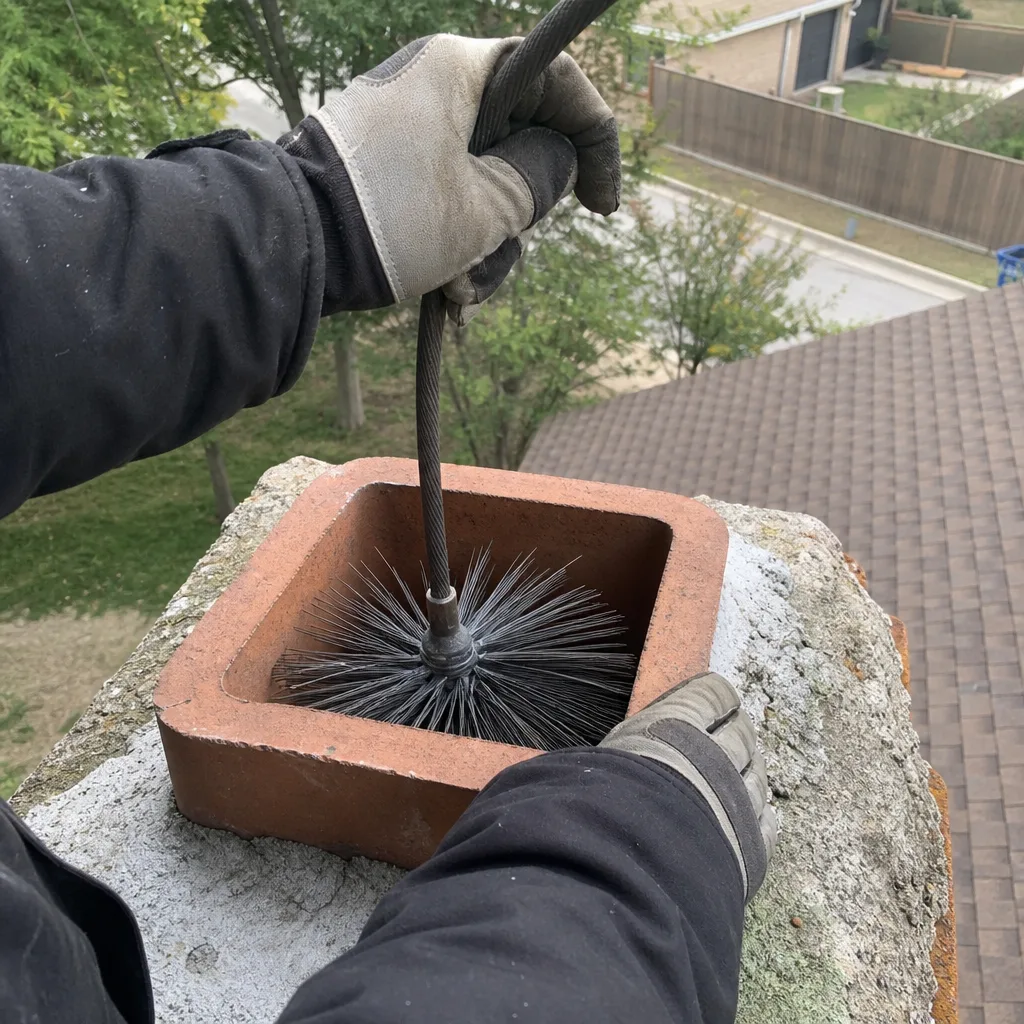
We do not show up with a flashlight and a handshake. Every soot removal visit follows the same documented sequence, regardless of whether the job turns out to be simple or complex.
- Written price before anything starts. Before the technician opens a case, you have a written price, a written scope of work, and a written warranty in hand. This is Haven Standard Clause 1 – not a policy we adopted to seem organized, but the operating condition under which we have run every job since 2009. If the scope changes after the camera goes down, we tell you before we proceed, not after.
- NFPA 211 Level 2 camera inspection of the flue liner. The camera goes down first, before the brushes come out. We are documenting the liner condition – any spalling (flaking tile), cracking, mortar joint deterioration, or unusual buildup – in real time. In Fort Worth’s climate, where summers push flue liner temperatures high and winter cold contracts the clay tile quickly, liner damage is more common than homeowners expect. The camera shows us what is there, not what we guess is there.
- Smoke chamber and firebox pre-inspection. The smoke chamber sits directly above the damper and is one of the most soot-prone surfaces in the system. Its corbelled (stepped) masonry creates ledges where soot and debris collect. We photograph the chamber, record the condition, and note any parging (the mortar coating that seals the chamber) that has cracked or pulled away.
- Systematic top-down cleaning with HEPA-filtered equipment. We work from the top of the flue downward, using rotary brushes sized to your liner diameter. All equipment connects to HEPA-filtered vacuums, which means the soot we dislodge is captured before it has a chance to redistribute through your home. This is not optional – it is standard procedure. Customers in neighborhoods like Hulen Bend and Ridglea Hills particularly notice the difference because older homes in those areas tend to have more porous fireplace surrounds that can hold soot odor for weeks if cleaning is done without proper containment.
- Firebox floor and damper cleaning. The firebox floor accumulates ash, soot, and debris from the grate down. We clean the firebox floor, inspect the damper plate for warping or corrosion, and confirm the damper opens and seals fully. A damper that does not seal properly bleeds conditioned air year-round – a real cost in Fort Worth’s long cooling season.
- Documented photo record delivered on completion. When the job is done, you receive a written record: photos of the liner condition before and after, a note on any issues found, and the written warranty covering the work. This is Haven Standard Clause 4. The archive is yours – you are not relying on our memory or a technician’s verbal summary at the door.
 Before
 After
AfterSoot Removal Pricing in Fort Worth
How Much Does Chimney Cleaning & Sweep Cost? (2026 Price Guide) - Fort Worth, TX: soot removal in Fort Worth runs between $149 and $349 for a standard single-fireplace system. Below is what typically moves a job from the lower end of that range to the higher end.
| Job Type | Typical Price Range |
|---|---|
| Single fireplace, light to moderate soot, standard flue height | $149 – $199 |
| Single fireplace with camera inspection included (NFPA 211 Level 2) | $199 – $279 |
| Heavy soot accumulation or partial creosote involvement | $249 – $349 |
| Smoke chamber parge cleaning (in addition to flue cleaning) | Add $75 – $125 |
| Second fireplace or additional flue on the same visit | Add $99 – $149 |
What moves the number up: flue height beyond the standard two-story residential reach, an offset (bent) flue that requires additional brush passes, heavy soot that has bonded to the liner surface and requires a chemical treatment agent before mechanical cleaning, or any combination of soot and early-stage creosote that requires separate documentation and pricing for the creosote portion.
What does not move the number: the camera inspection, the HEPA containment setup, the photo record, and the 365-Day Done Right Promise are included on every job. They are not add-ons. If the price on your written estimate does not match the final invoice, something went wrong – call us at (682) 499-2712 and we will sort it out.
If you have a written estimate from another company, bring it to us. We offer a free second opinion on any written estimate – not a vague “we’ll beat it” claim, but a direct comparison against a written Level Two scope. Estimates are free, written, and provided before anyone enters your home.
A Note on Creosote vs. Soot
Soot and creosote are not the same material, and pricing reflects that difference. Soot is dry and powdery – it comes off with brushing. Creosote is what soot becomes when wood smoke condenses on cooler liner surfaces. Class I creosote (dusty, flaky) can often be addressed in the same visit as a soot cleaning. Class II creosote (tar-like, sticky) and Class III creosote (the hard, glazed form) require different chemical and mechanical approaches and are quoted separately in writing before any additional work begins.
In Fort Worth specifically, we see more Class II buildup in homes on the west side of the city – areas like Aledo Road corridors and the older ranches off Chapin Road – where larger fireboxes are paired with open-hearth fires and shorter burning seasons that never quite get the flue hot enough to reduce condensation fully. If your fireplace fits that description, expect us to note it in the camera scan.
FAQs – Soot Removal
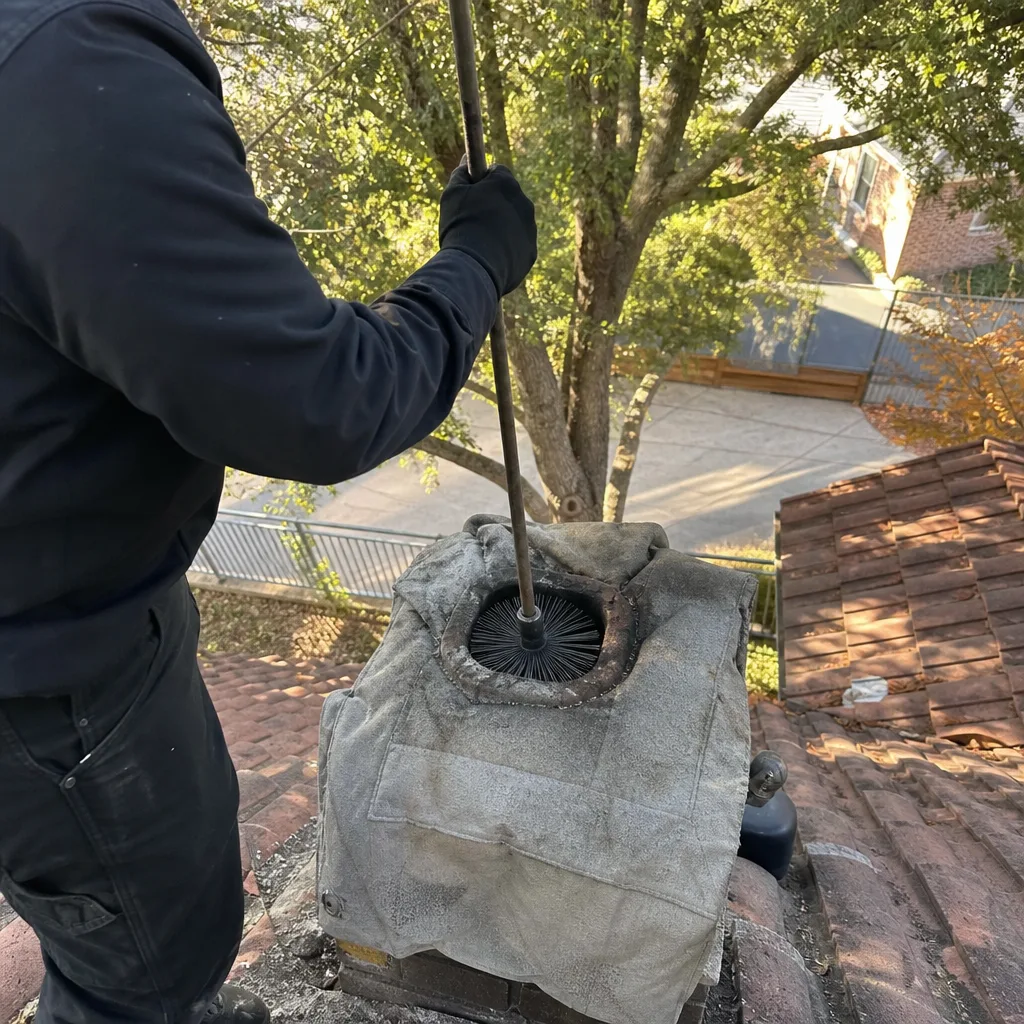
How often does a Fort Worth fireplace need soot removal?
Once per year is the standard for a fireplace used regularly through the winter season. NFPA 211 calls for an annual inspection and cleaning of any chimney in active use, and Fort Worth’s climate adds one local factor worth noting: the region’s humidity in spring and early summer causes any residual soot to absorb moisture and off-gas into the home, so a post-season cleaning – rather than a pre-season one – can reduce that smell problem. If you burned more than two cords of wood in a season or burned any wet or green wood, schedule a cleaning before the next fires, not after. Call us at (682) 499-2712 to book – estimates are free and written before any work starts.
Is soot removal dangerous to do myself?
The cleaning itself is not as dangerous as working with springs or gas lines, but it carries real risks if done without proper containment. Disturbing a soot-coated flue without HEPA filtration redistributes fine particulates through the living space – particles small enough to reach the lungs. More practically, a homeowner cleaning from the firebox up cannot see the liner condition, cannot identify early-stage creosote, and cannot document what was found. The value of a professional cleaning is not just the scrubbing; it is the camera scan and the written record that tells you the current state of the liner. That record matters when you sell the home, file an insurance claim, or just want to know that the system is safe to use.
What is the difference between soot removal and a full chimney sweep?
Soot removal is the targeted cleaning of soot deposits from the flue liner, smoke chamber, damper, and firebox surfaces. A full chimney sweep – what we describe in detail on our Chimney Cleaning & Sweep in Fort Worth page – includes the same mechanical cleaning plus a systematic inspection of every accessible component: cap, crown, flashing, exterior masonry, and the full flue from top to bottom via camera. In practice, most soot removal visits at Level Two Chimney Fort Worth include the Level 2 camera inspection as standard, so the line between the two services is narrower here than it is at companies that charge separately for a camera look. The difference shows up in scope: if we find crown damage or a cracked liner section during a soot removal visit, that is documented and priced in writing separately – you decide what happens next.
Can soot cause a chimney fire?
Soot itself is less combustible than creosote, but it is not inert. Thick soot deposits reduce flue draft, which raises smoke temperatures inside the firebox and promotes the conditions where creosote forms faster. Soot also acts as a surface for creosote to bond to, which is why a flue that was only lightly sooty after season one can carry significant Class II creosote by the end of season two if it was not cleaned between seasons. The short answer: soot does not typically start chimney fires directly, but it creates the conditions that make them more likely. Keeping the flue clean is the most direct way to stay ahead of that progression. If you are not sure what is in your flue right now, a camera scan will give you a plain answer – call (682) 499-2712 and we will schedule it.
Key Takeaways
- Soot removal in Fort Worth costs $149-$349 for a single fireplace, depending on accumulation level and flue complexity.
- A written price, written scope, and written warranty are provided before the technician begins – no surprises after the fact.
- Every visit includes a camera inspection under NFPA 211 Level 2 standards and a documented photo record on completion (Haven Standard Clause 4).
- Soot and creosote are different materials with different cleaning requirements. The camera scan tells us which we are dealing with before we price the job.
- Fort Worth’s humidity and short burn seasons create specific soot and creosote patterns – particularly in older west-side homes and neighborhoods where green wood is commonly burned.
- The 365-Day Done Right Promise covers every job: if it is not right, we make it right.
Schedule Your Soot Removal in Fort Worth
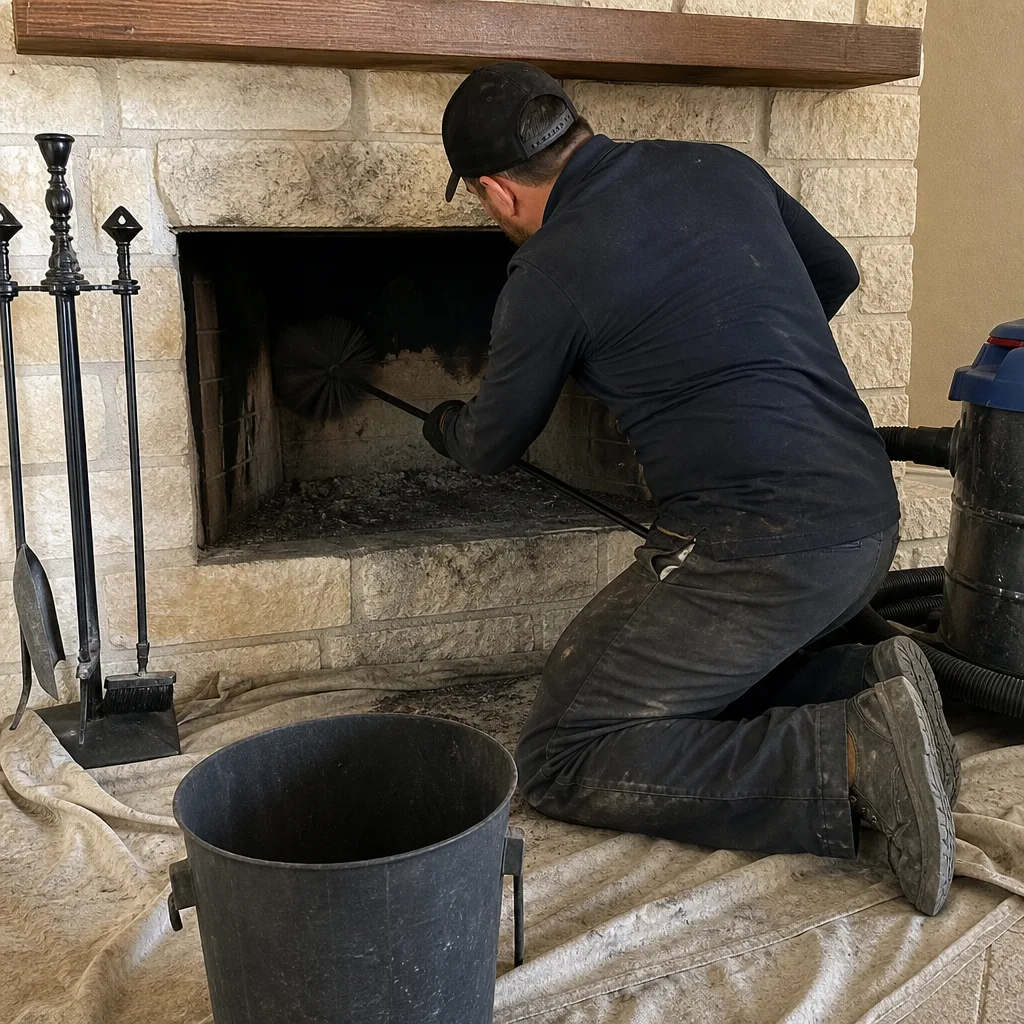
If your fireplace has not been cleaned and documented this season, or if you are smelling smoke when the damper is closed, the next step is a camera scan and a written price. No estimate over the phone, no vague range at the door – a written number before anyone starts.
Level Two Chimney Fort Worth serves homeowners across Fort Worth including Tanglewood, Westover Hills, Ridglea Hills, Ryan Place, Fairmount, Hulen Bend, and surrounding areas with Chimney Cleaning & Sweep Near Me in Fort Worth, TX. Corrine Halstead and the team are reachable at (682) 499-2712, and a live person answers every call, 24 hours a day. Estimates are free. The price is written. The work is documented. That is how every job here works, and it has been since 2009.
Call (682) 499-2712 today to get a written estimate for soot removal in Fort Worth – or visit our home page to learn more about the full range of services we offer.
Written by Corrine Halstead, Owner at Level Two Chimney Fort Worth, serving Fort Worth since 2009.