
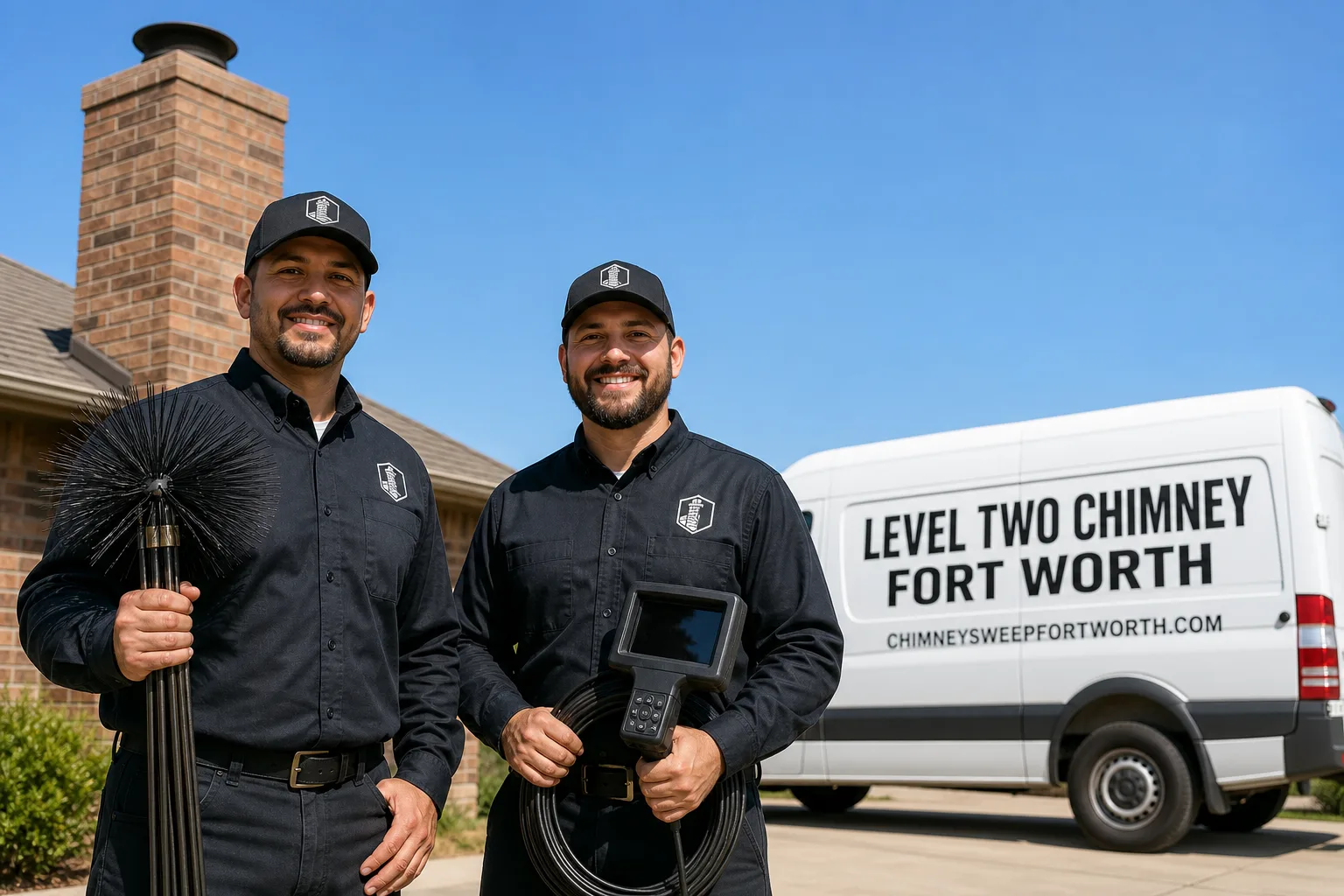
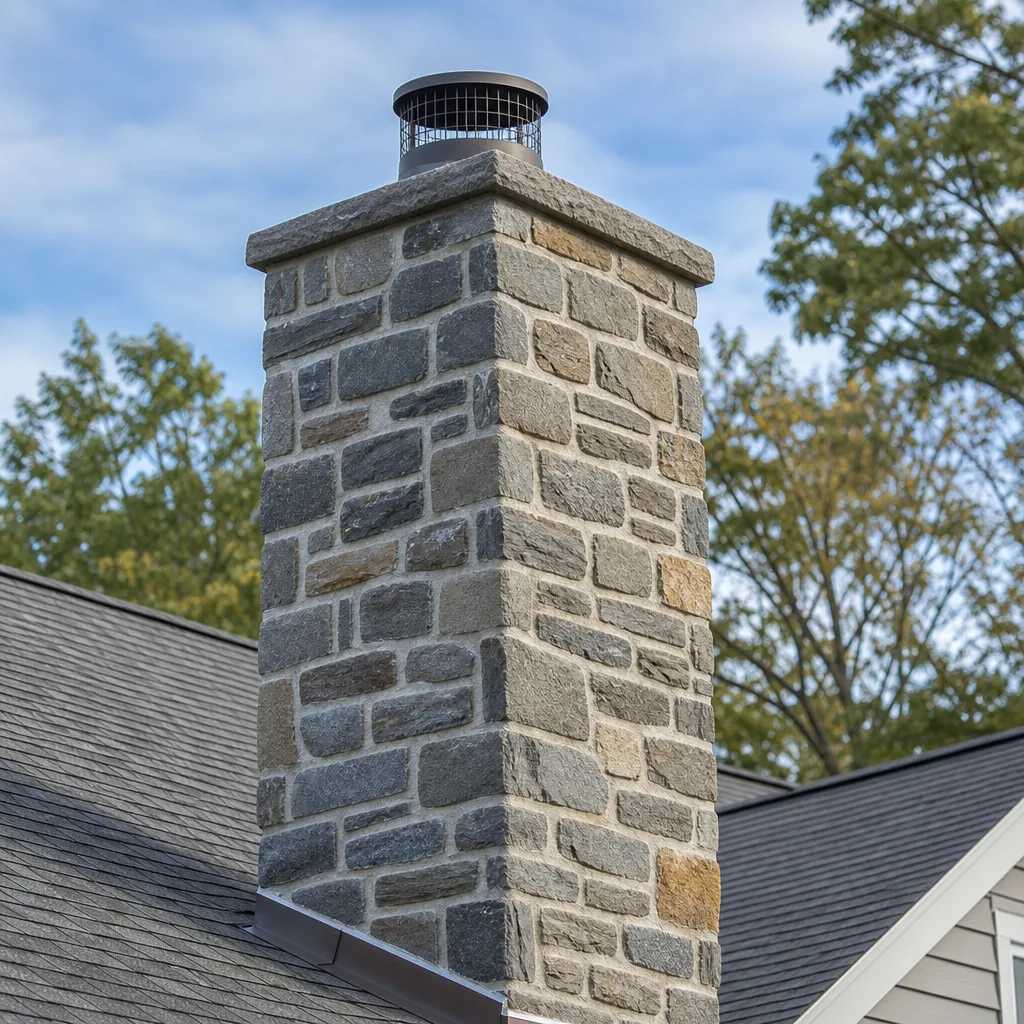
Level 1 sweep and inspection to the NFPA 211 annual standard - flue, crown, cap, and flashing checked and photographed
Chimney sweep logs do not sweep chimneys. They loosen some creosote - which then falls where a brush and vacuum still have to collect it.
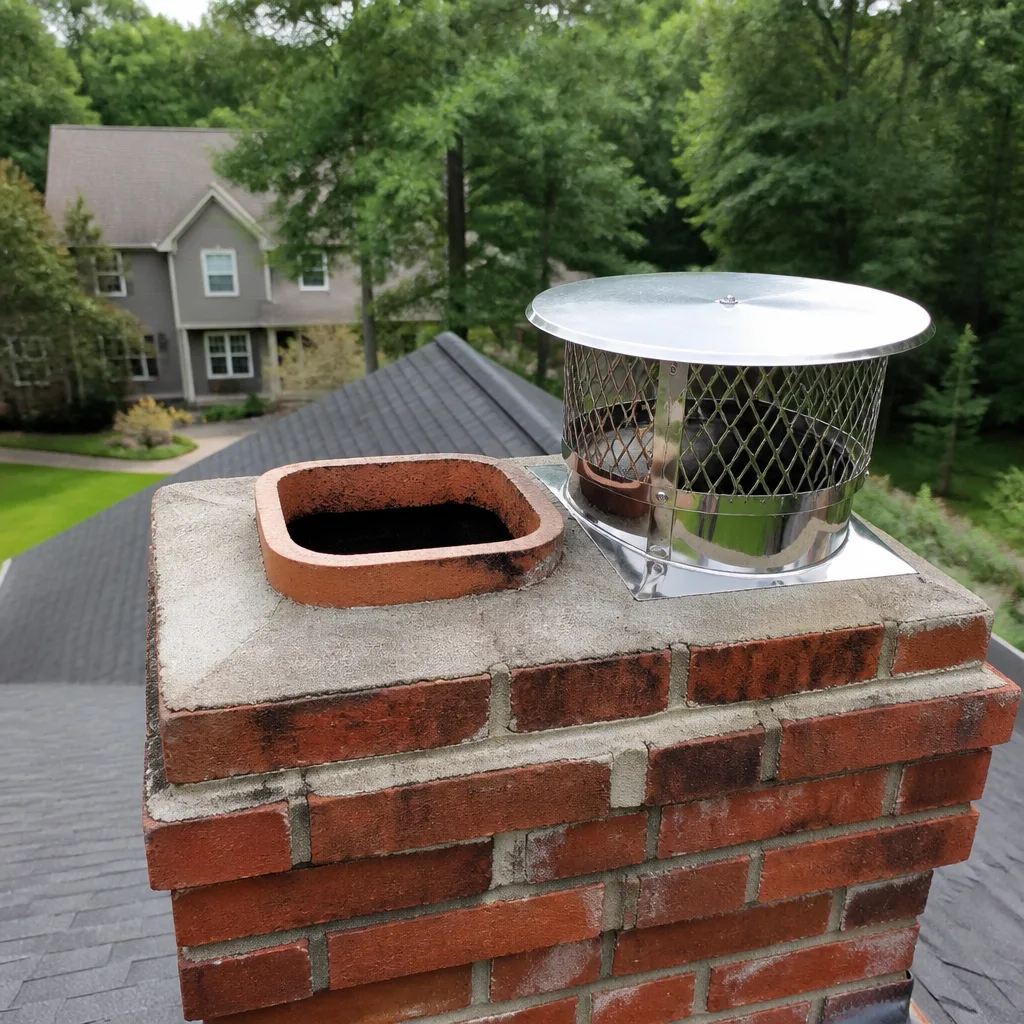
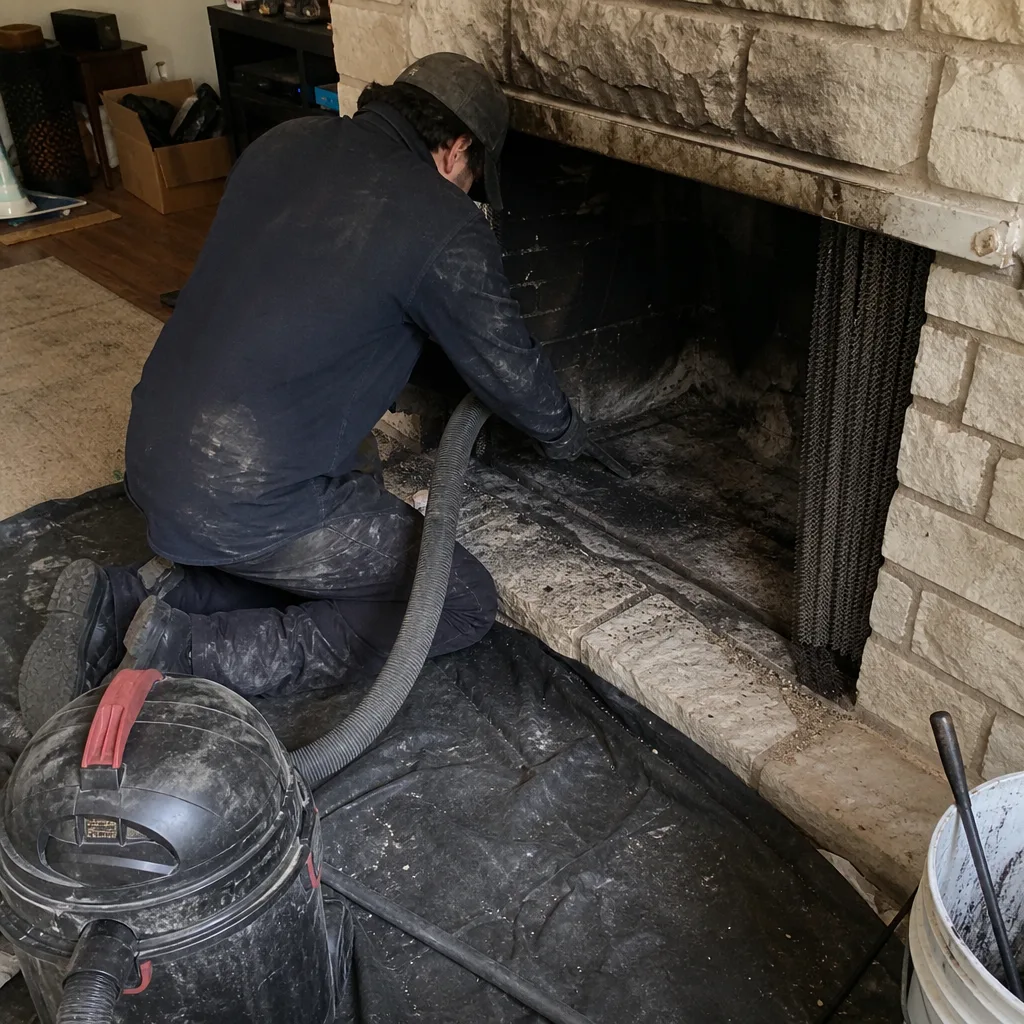 Before
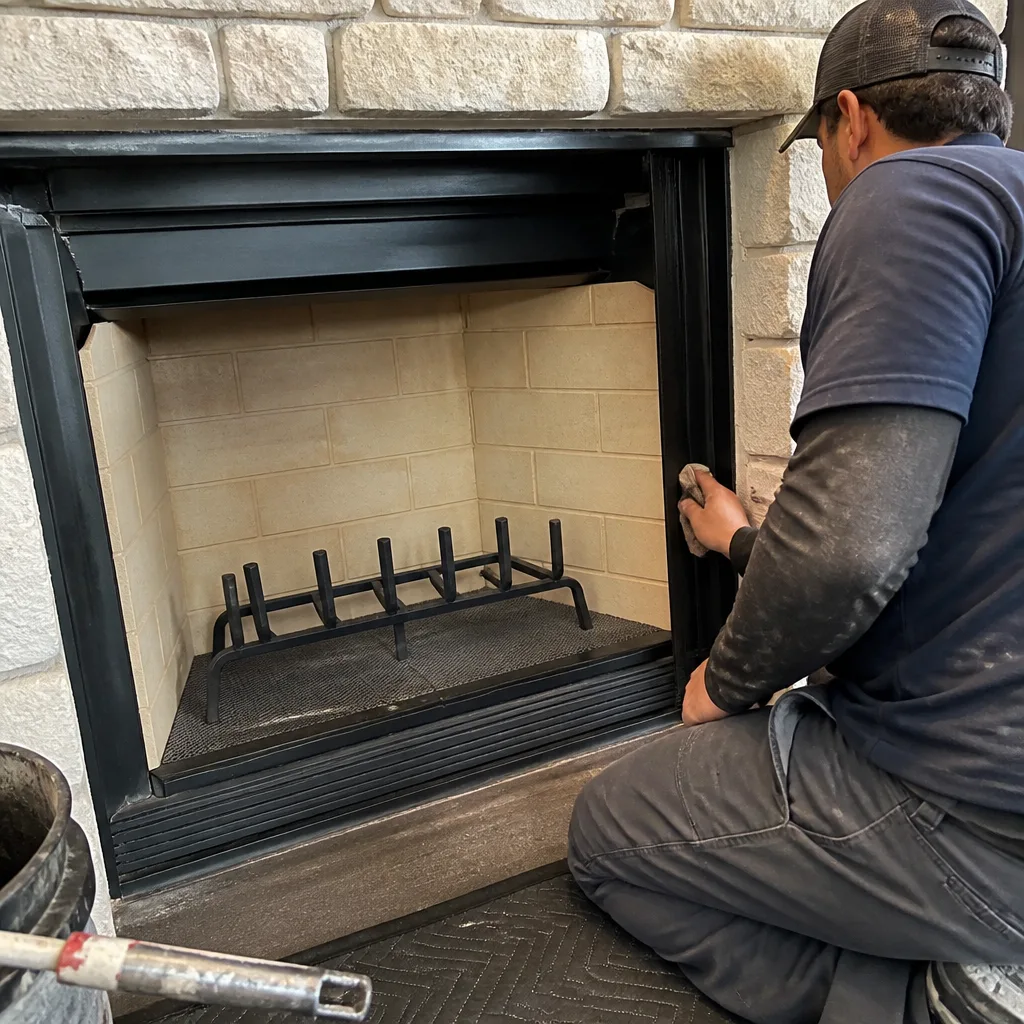 After
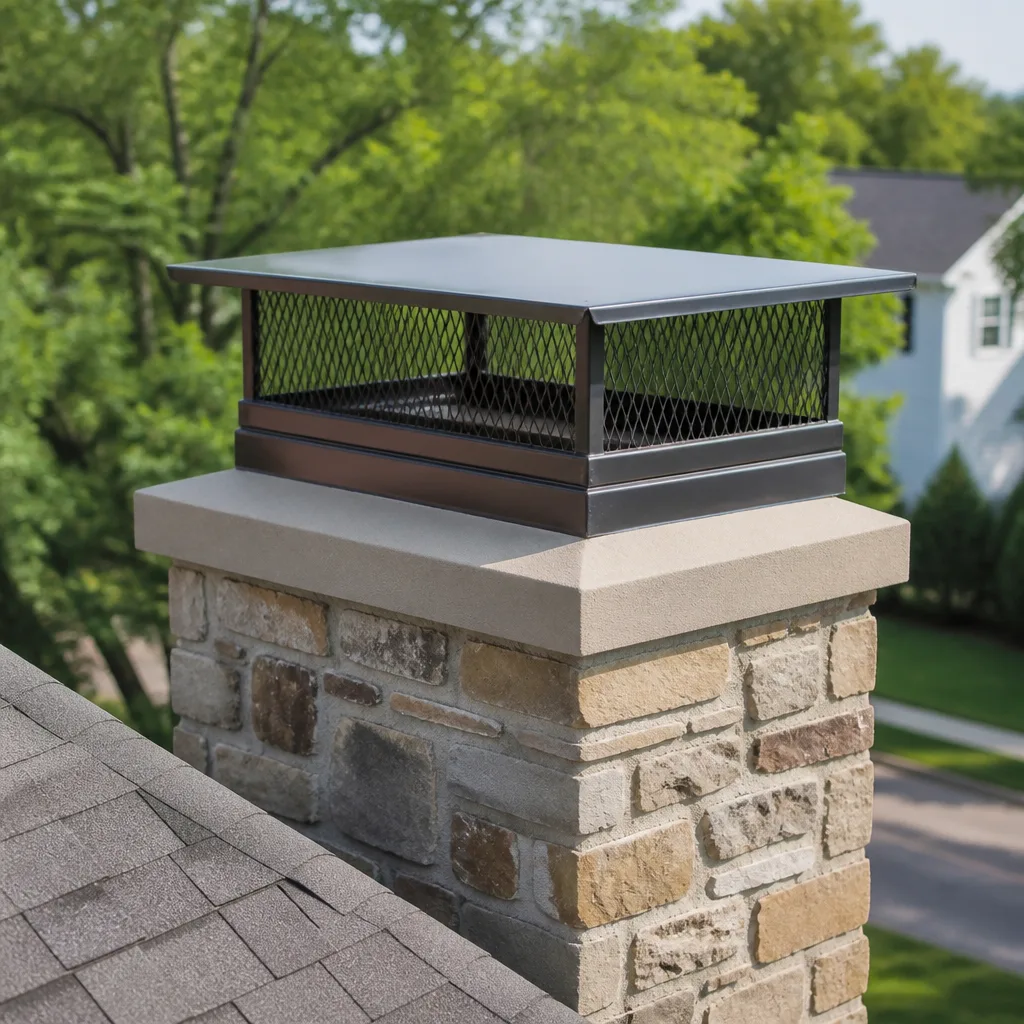
After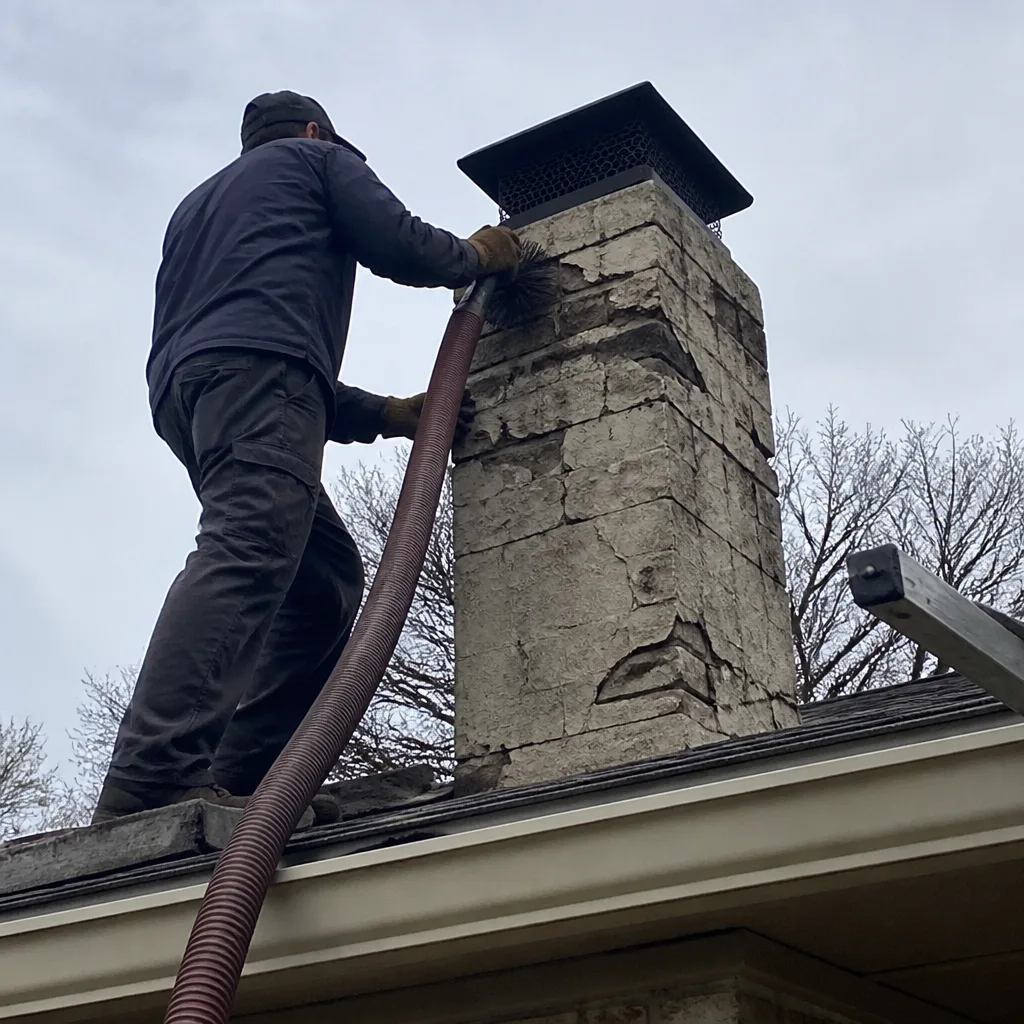 Before
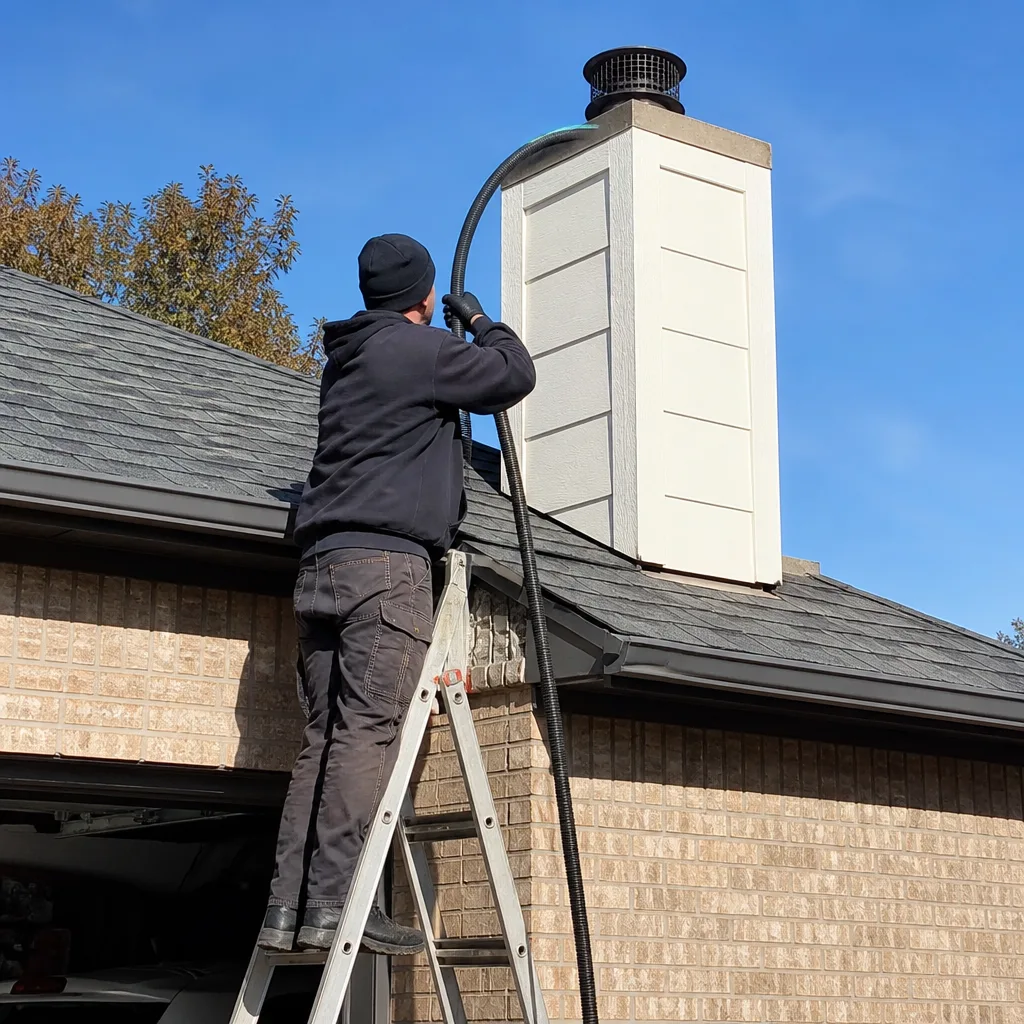 After
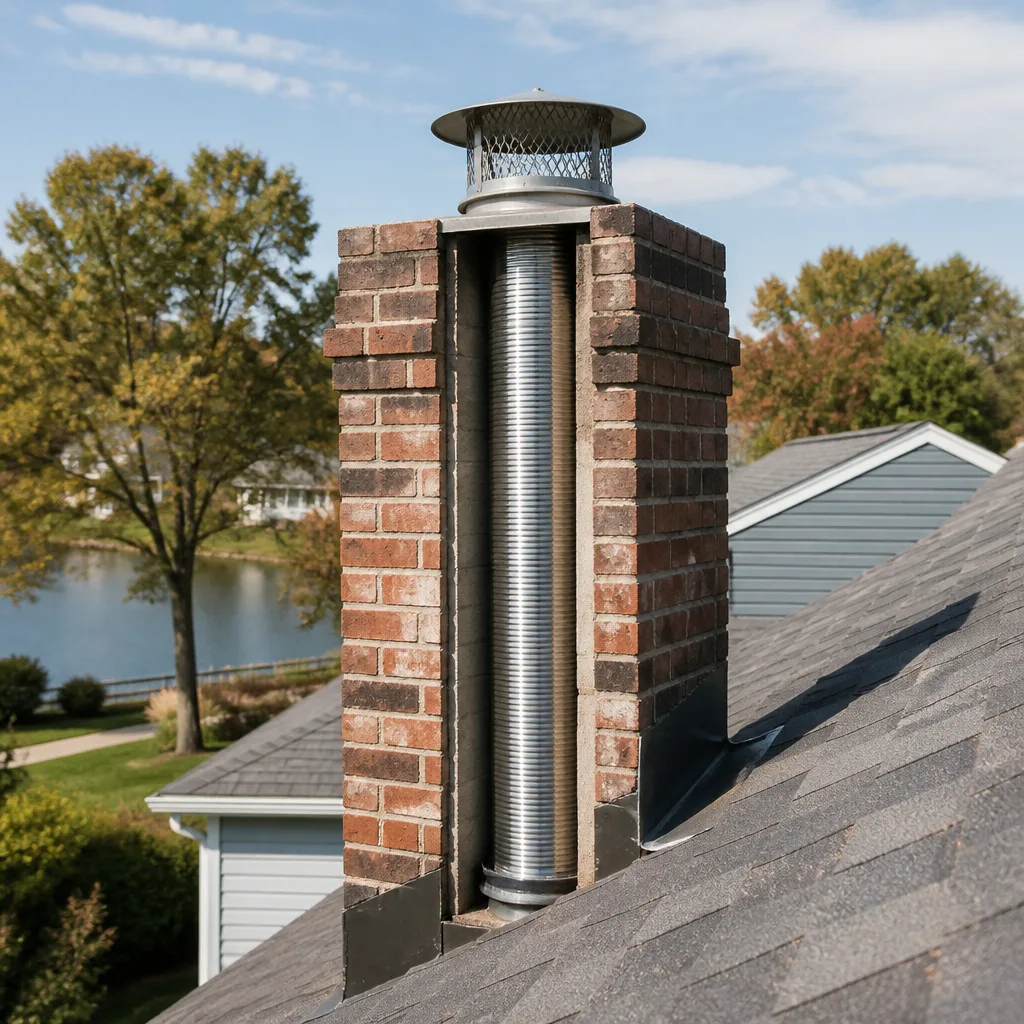
After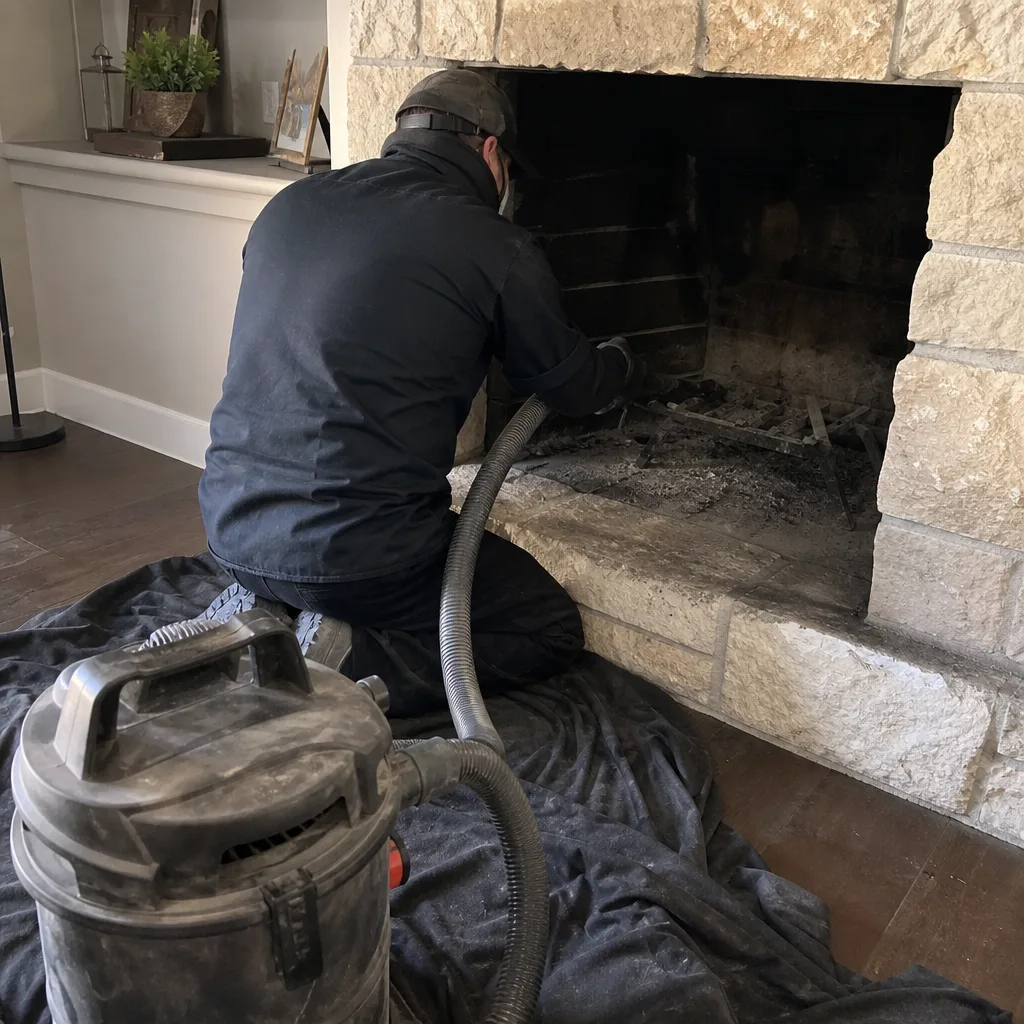 Before
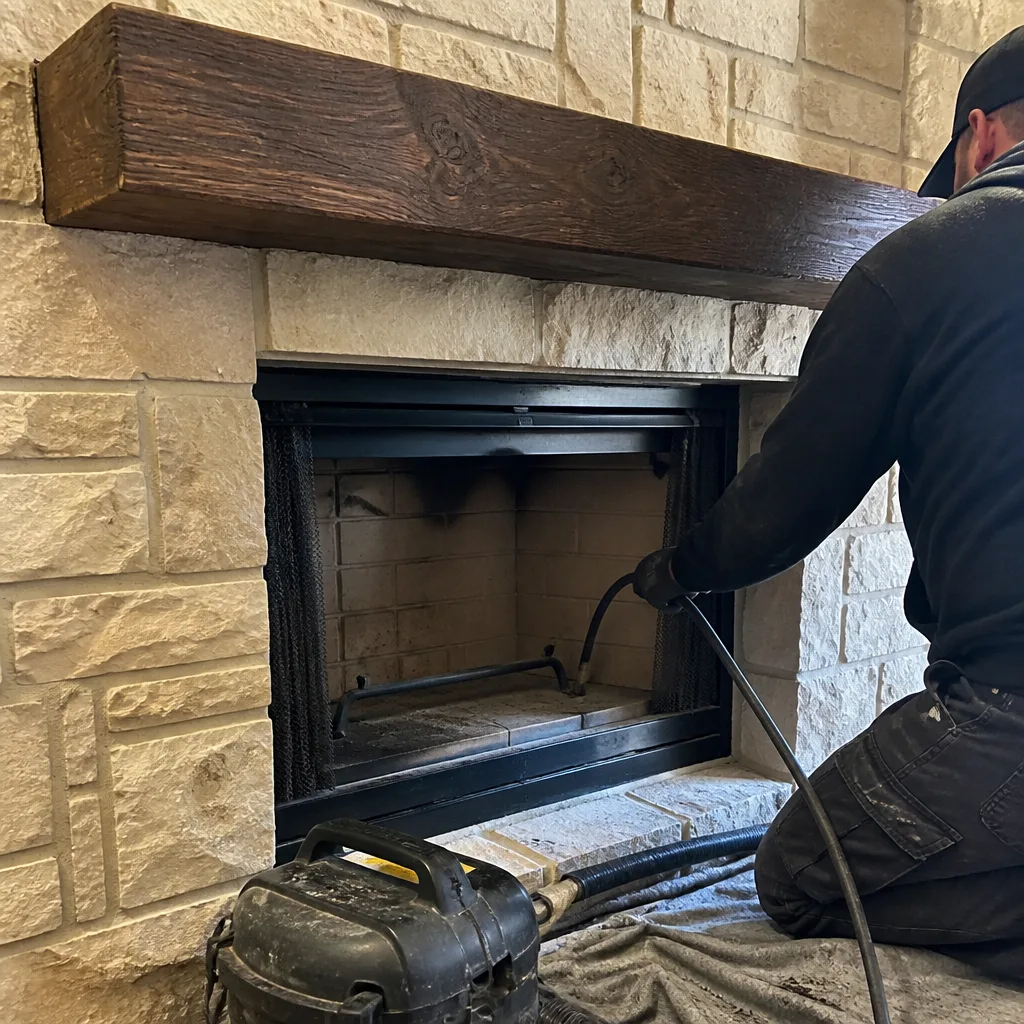 After
AfterHow Much Does Chimney Cleaning & Sweep Cost in Fort Worth?
Chimney Cleaning & Sweep Near Me in Fort Worth, TX typically costs between $149 and $349, depending on flue type, creosote buildup level, and whether a camera inspection is included. Most single-flue wood-burning fireplace cleanings fall in the $179-$249 range when scheduled as a standard annual service. If you’re seeing heavy buildup, a second-stage or third-stage creosote situation, or a fireplace that hasn’t been touched in several years, expect the price to land closer to the upper end of that window.
Chimney Cleaning & Sweep Cost Breakdown (2026)
The table below reflects what Fort Worth homeowners are actually paying in 2026. These aren’t national averages lifted from a survey. They’re based on what we quote and what we complete across the Fort Worth metro – from the older wood-frame neighborhoods in Fairmount and the Near Southside to newer builds out in Presidio or Montserrat where gas log inserts are more common than open-hearth fireplaces.
| Service | Typical Price Range (Fort Worth, 2026) |
|---|---|
| Standard wood-burning fireplace sweep (single flue) | $179 - $249 |
| Gas fireplace cleaning and inspection | $149 - $199 |
| Heavy buildup cleaning (Class II creosote) | $249 - $349 |
| Severe creosote removal (Class III / glazed) | $349 - $650+ |
| NFPA 211 Level 2 camera inspection (standalone) | $199 - $299 |
| Sweep + Level 2 camera inspection (bundled) | $299 - $449 |
| Second flue (same visit) | $99 - $149 add-on |
| Dryer vent cleaning (added to chimney visit) | $89 - $129 add-on |
| Smoke chamber parging (if needed after sweep) | $299 - $549 |
| Cap replacement (after inspection reveals damage) | $149 - $399 depending on size and material |
A few things drive that range. Fort Worth’s climate plays a real role: the region cycles between dry heat and cold snaps, which means masonry contracts and expands more aggressively than in more stable climates. That thermal movement accelerates crown cracking and can force debris into the flue, sometimes adding to what a sweep pulls out. Homes in the older platted neighborhoods – Poly, Ryanwood, Hemphill Heights – tend to run clay tile liner systems from the 1960s and 70s that haven’t been camera-scanned in decades, and the sweep occasionally uncovers liner cracks or displaced tiles that change the scope of the visit.
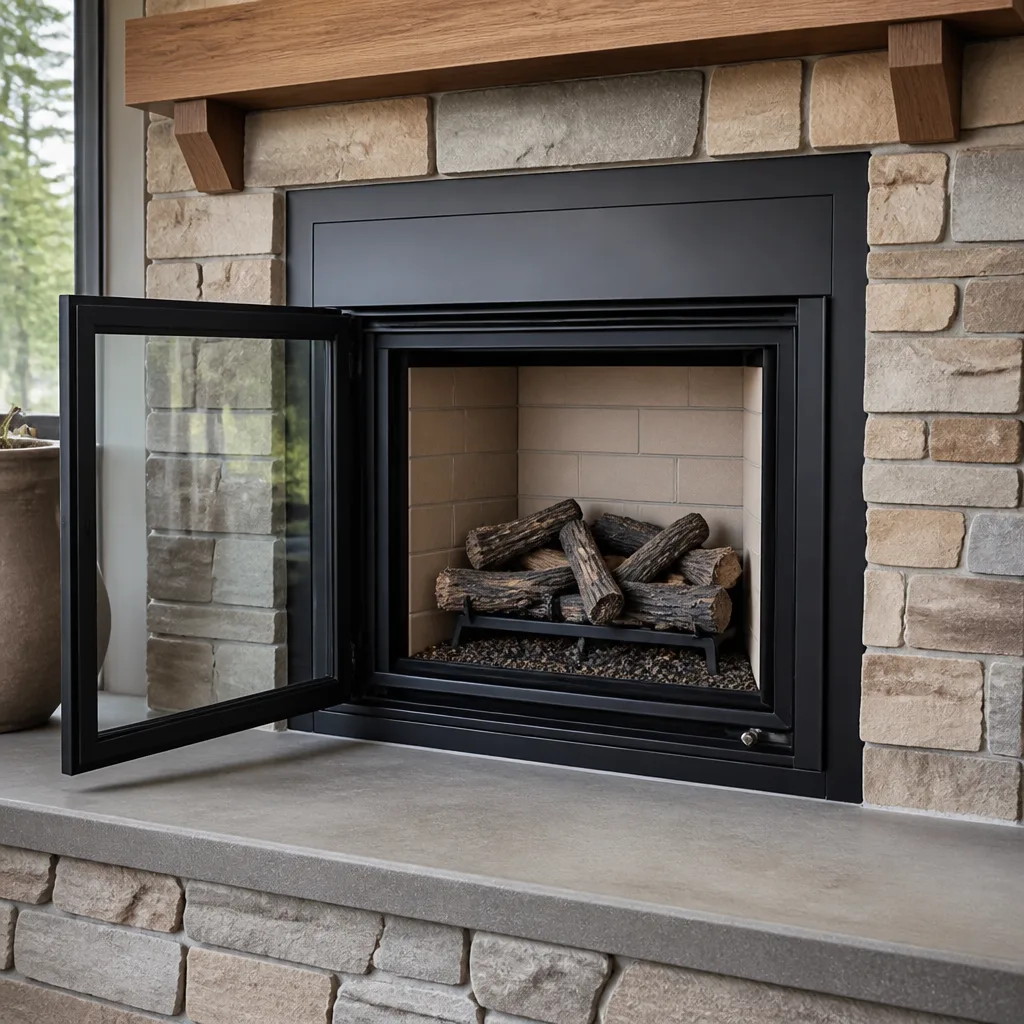
Gas log inserts, which are common in the newer Tarrant County builds, cost slightly less to clean because they don’t produce creosote. But they still need an annual inspection: the burner, pilot assembly, thermocouple, and flue outlet all require a trained eye. Skipping that check is what leads to carbon monoxide situations.
Every price Level Two Chimney Co. quotes is given in writing before anyone starts work. That’s not a policy we adopted recently. It’s been the standard since 2009, formalized as Clause 1 of the Haven Standard: written price, written scope, written warranty – delivered before the first tool comes off the truck.
What Affects Chimney Cleaning & Sweep Pricing in Fort Worth
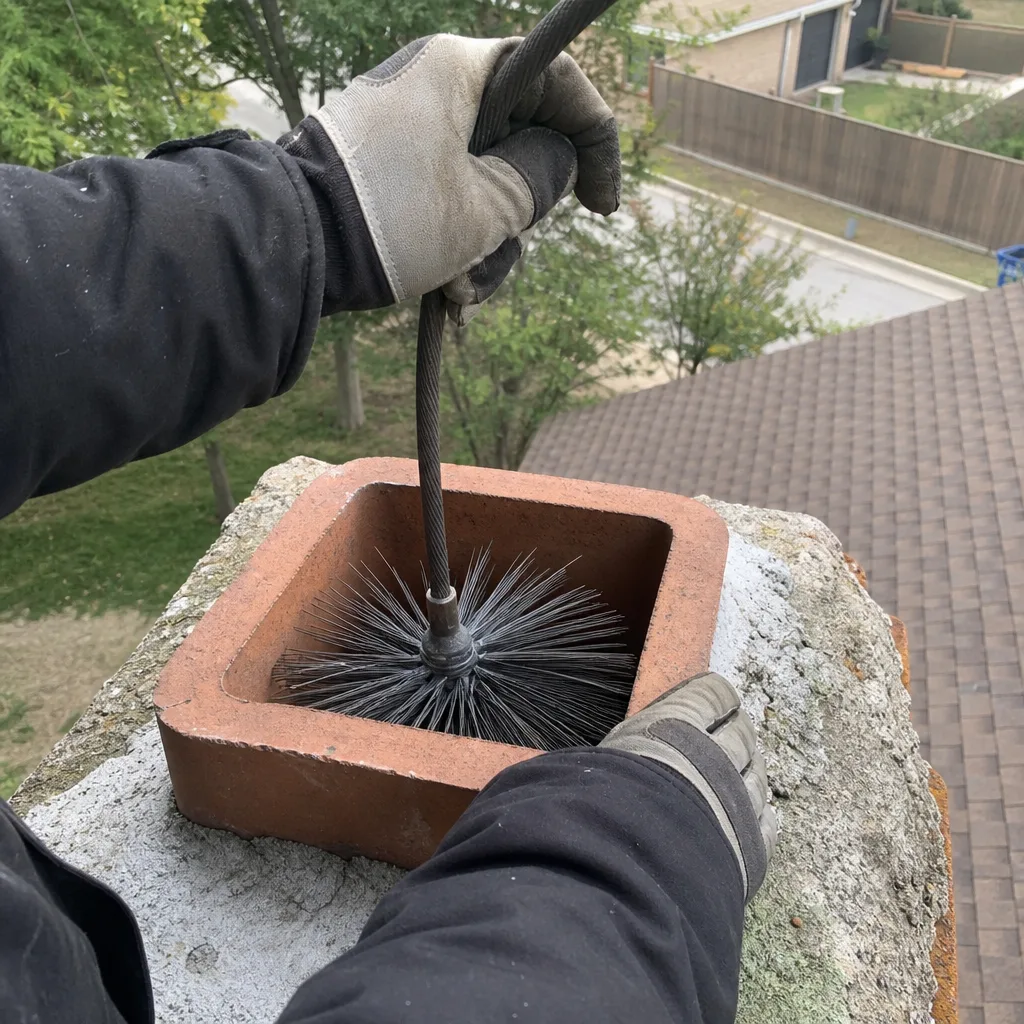
- Creosote class and buildup thickness. Creosote forms in three stages. Class I is a light, flaky deposit – the easiest and cheapest to remove. Class II is a tar-like crust that requires more aggressive brushing and more time. Class III (glazed creosote) is hardened, shiny, and resistant to standard brush tools; removing it can require chemical treatment applied over multiple sessions, which is why the price climbs above $400 for severe cases. Fort Worth homes that burn green or unseasoned wood – common when people buy bundled firewood from hardware stores along Camp Bowie or out near Benbrook – accumulate Class II deposits faster than average.
- Flue length and height. A standard two-story Fort Worth home with a fireplace on the main floor typically has a flue running 15 to 22 feet from firebox to cap. Taller flues mean more liner to brush, longer camera runs, and more material to remove. Homes in the hillside sections near the Trinity River or up toward Lake Worth occasionally have taller-than-standard chimney runs because of the elevation change from grade to ridge.
- Flue shape and liner condition. Round stainless steel liners are the easiest to clean. Rectangular clay tile liners with mortar joints require more care, and offset flues – where the chimney isn’t perfectly vertical – trap creosote at every bend. A flue with deteriorating tile or a clay section that has shifted requires more time on the camera and potentially a written recommendation for liner repair before the next fire season.
- Last cleaning date. Annual cleanings cost less because there’s less to remove. A fireplace that hasn’t been swept in three or four years – or ever, in the case of homes bought between 2018 and 2024 where buyers didn’t request a pre-purchase Level 2 inspection – can carry two to four times the typical buildup. The labor and disposal time increases accordingly.
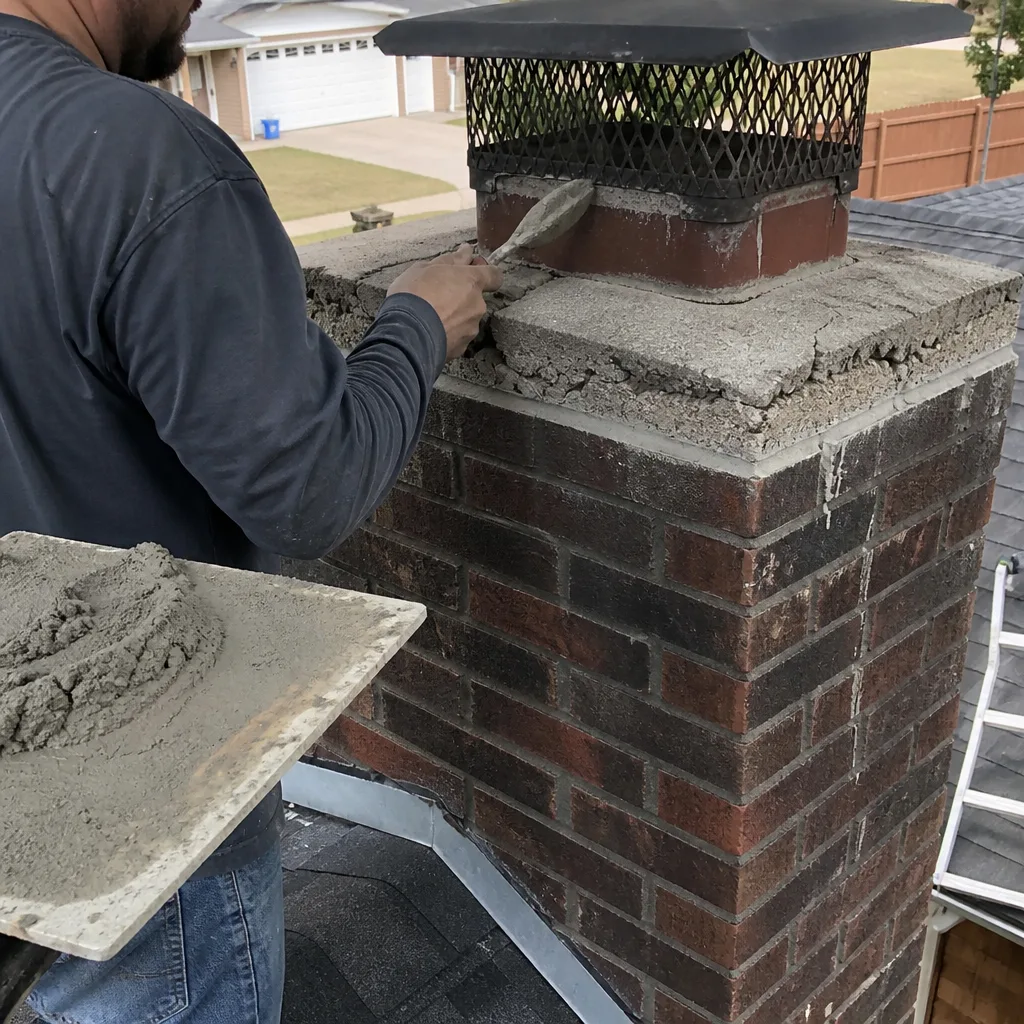
- Access and cap condition. If the chimney cap is damaged or missing (something we see often after a North Texas hailstorm), debris and nesting material can accumulate in the flue on top of the seasonal creosote. Removing a bird nest or compressed debris adds time and sometimes a separate disposal step. Cap replacement is quoted separately and in writing before the work starts.
- Whether a Level 2 inspection is included. A standard sweep with a flashlight visual is cheaper upfront, but it doesn’t tell you what’s happening inside the liner. The NFPA 211 Level 2 camera inspection – camera down the flue, photo documentation on every shot, written report – adds roughly $100-$150 to the visit but gives you an actual record of what the liner looks like in 2026. That record matters when you sell the home or file an insurance claim. At Level Two Chimney Co., camera documentation is included on every visit as standard under Haven Standard Clause 4, not an optional upgrade.
 Before
 After
AfterFort Worth-Specific Factors That Aren’t in National Pricing Guides
Most pricing guides you’ll find online are built from national survey data and don’t reflect what actually happens in this market. Here’s what’s different in Fort Worth.
The hailstorm effect on chimney caps and crowns. Tarrant County averages several significant hail events per year, and chimney caps and crowns take direct hits. After a major storm – the ones that generated insurance claims across the Cultural District and Alliance Corridor neighborhoods – we typically see a surge in calls where the cap has been dented or cracked and debris has entered the flue. That changes the scope and the price of the sweep. If you had a storm event this past season and haven’t had the cap inspected, it’s worth scheduling before the next burn season.
Clay soil movement. The expansive Blackland Prairie clay that runs through much of Fort Worth’s east side and into Saginaw and Haltom City causes foundation movement that, over years, can translate up through the home’s framing into the chimney structure. We’ve seen smoke chambers shift enough to crack mortar joints that looked perfectly intact from the firebox opening. A camera scan catches that. A flashlight look doesn’t.
Gas conversion prevalence. A significant share of Fort Worth’s older stock – homes in Monticello, Ryan Place, Berkeley Place – were built with wood-burning fireplaces and later converted to gas log inserts. The conversion doesn’t always include a proper liner installation. We regularly find un-lined flues serving gas appliances in Fort Worth’s mid-century neighborhoods, which is a carbon monoxide risk. The sweep appointment is what turns that finding into a documented record and a written repair recommendation.
How to Save on Chimney Cleaning & Sweep in Fort Worth
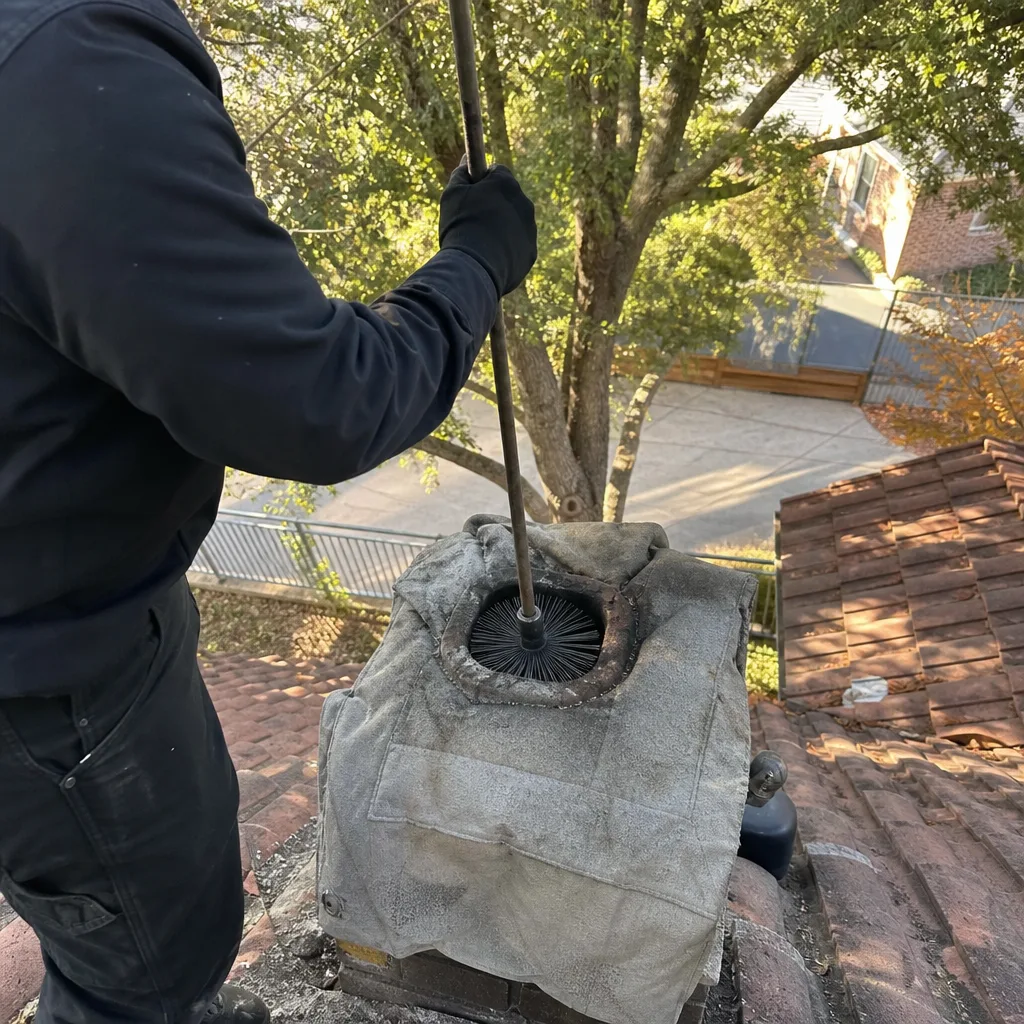
The honest answer is: annual service is the best cost-control tool available. A chimney receiving our Chimney Cleaning & Sweep services every year before the burn season stays in the light-buildup range ($179-$249), which keeps your total cost low and predictable. The homeowner who calls us after a four-year gap is usually looking at a Class II cleanup, a longer appointment window, and sometimes repair work that could have been caught earlier for a fraction of the cost.
A few other things that actually move the number:
- Schedule in late summer or early fall. August through October is the smart window for Fort Worth sweeps – before the first cold front pushes everyone to call at once. Scheduling fills faster once temperatures drop below 50 degrees in November, and same-week availability gets tighter. There’s no off-season discount scheme here, but there is real scheduling flexibility when you book ahead.
- Bundle the second flue on the same visit. If your home has two fireplaces – common in larger Westover Hills and Tanglewood properties – getting both flues cleaned on a single trip saves the second dispatch cost. The add-on price for a second flue on the same visit is $99-$149, which is well below what a separate appointment would run.
- Use a free second opinion before you commit. If you’ve already received a written estimate from another Fort Worth chimney company, Level Two Chimney Co. will review it at no charge. Bring the written quote. We’ll tell you whether the scope makes sense, whether the price is in line, and whether there’s anything in the proposed work that doesn’t add up. That’s a standing offer – not a seasonal promotion.
- Don’t skip the camera inspection to save $100. A sweep without a liner inspection tells you the flue is cleaner than it was. It doesn’t tell you whether the liner is cracked, offset, or missing sections. A liner failure discovered after a chimney fire costs significantly more to address than one caught during a routine Level 2 scan. The camera documentation also becomes part of the home’s permanent record, which matters if you sell.
- Ask about the written price before the tech arrives. Level Two Chimney Co. quotes in writing before any work starts – that’s non-negotiable under the Haven Standard. If a company won’t give you a written price until they’re already in your home, that’s a red flag. Upfront pricing protects you from scope creep and post-job surprises.
For a free estimate with a written price, call (682) 499-2712. A live person answers – no voicemail, no form submission, no callback queue.
What You Actually Get When You Book a Sweep With Level Two Chimney Co.
This is worth spelling out because the gap between what different Fort Worth chimney companies deliver under the label “chimney sweep” is wider than most homeowners realize.
When you book Chimney Cleaning & Sweep in Fort Worth with Level Two Chimney Co., here’s the specific documentation and service you receive on every visit, without exception:
- A written price before any work starts – scope, cost, and warranty in writing (Haven Standard Clause 1).
- A named, background-checked, uniformed technician assigned to your job, with a text notification when they’re on the way.
- A full NFPA 211 Level 2 camera inspection: camera down the flue, documentation at every section of the liner.
- A documented photo record of the flue condition before and after the sweep (Haven Standard Clause 4 – this has been standard practice since 2009, not an add-on).
- A plain-language written report noting liner condition, creosote class, cap and crown status, and any repair recommendations.
- The 365-Day Done Right Promise: if the work isn’t right, we make it right.
The camera documentation standard that became Clause 4 of the Haven Standard was running at Level Two Chimney Co. before most Fort Worth sweep companies had cameras on trucks. More than 38,000 chimneys inspected and cleaned since 2009 – every one with a written price before work started and a documented record when it was done.
Materials, when repairs are needed, come from DuraFlex, HeatShield, Gelco, Olympia Chimney, Famco, and Copperfield – sourced through Haven’s buying network to keep customer pricing honest. You won’t find a markup on materials buried in the quote.
When Should Fort Worth Homeowners Schedule a Chimney Sweep?
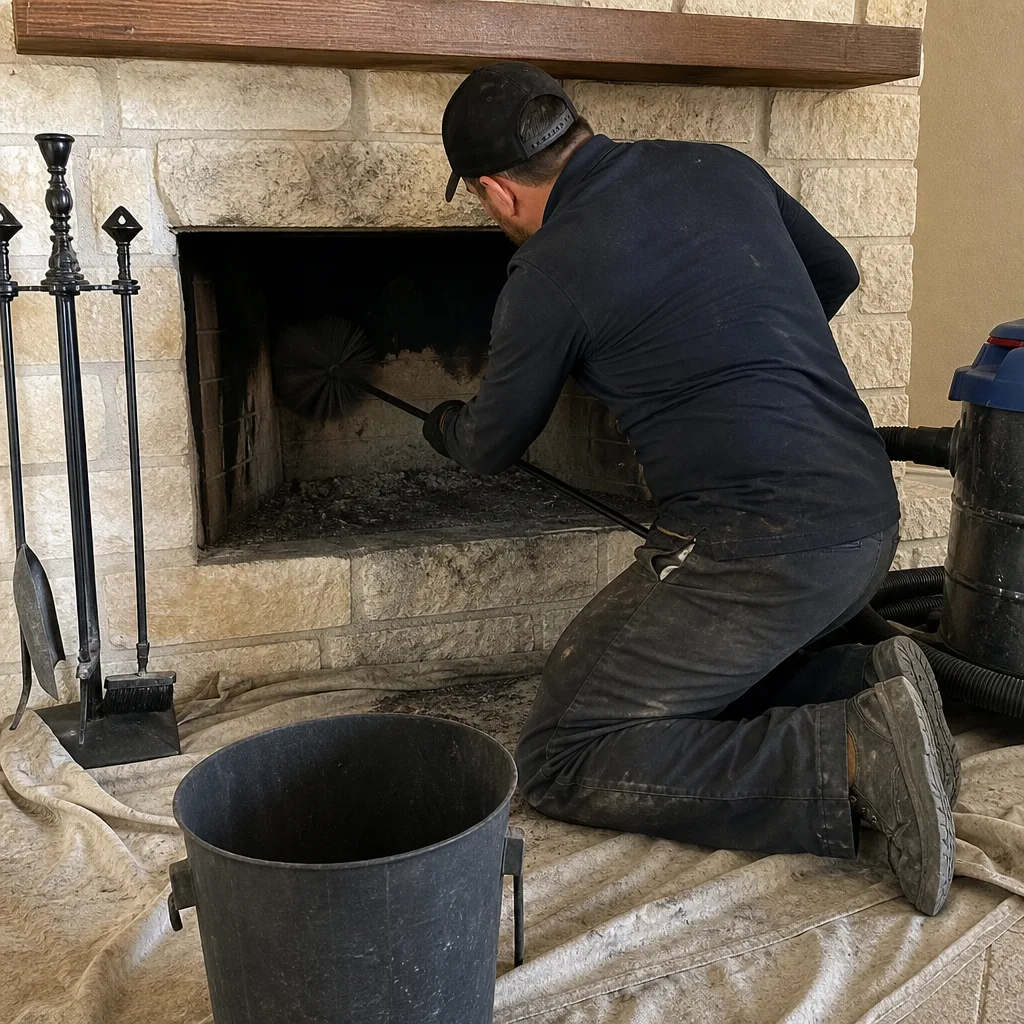
The National Fire Protection Association recommends at minimum an annual chimney inspection and cleaning if the fireplace is used regularly. For Fort Worth’s climate and burn season, the practical answer is: schedule before the first real cold front.
North Texas cold fronts arrive unpredictably. A week of 75-degree weather in October can break overnight into a 38-degree morning, and that’s when everyone reaches for the fireplace switch or lights the first fire of the season. A chimney that hasn’t been inspected since last spring isn’t ready for that. Blocked flues, accumulated creosote, and undetected cap damage are all fire and carbon monoxide risks that a pre-season sweep catches.
Fort Worth homeowners who moved into their homes between 2020 and 2025 and didn’t request a Level 2 inspection at purchase should schedule one regardless of whether they use the fireplace. Gas log inserts in particular are often assumed to be “maintenance-free” by new owners, which isn’t accurate, and Fireplace Cleaning is still essential. The venting system, seals, and liner condition all degrade over time and require a trained inspection.
If you’re on the Level Two Chimney Co. home page and wondering whether your fireplace needs attention before winter, the short answer is: if you can’t produce a written inspection report from the last 12 months, schedule a sweep. We’ll tell you exactly what the flue looks like and what it costs to address anything we find – before we start, in writing.
Signs Your Fort Worth Chimney Needs Attention Before the Next Sweep Is Due
Annual scheduling is the baseline. But there are situations where you shouldn’t wait for the calendar.
- You smell smoke in the room when the fireplace is in use. Downdraft and spillage can indicate a blockage, a deteriorated smoke chamber, or a flue that’s undersized for the firebox. Fort Worth’s variable wind patterns – particularly in open-exposure neighborhoods west of I-35 – can create negative pressure at the flue that a damaged cap makes worse.
- You see white staining (efflorescence) on the exterior masonry. White mineral deposits on the outside of the chimney indicate water is moving through the masonry. That’s a crown or mortar joint issue, and it accelerates in Fort Worth’s freeze-thaw cycles, which – while shorter than in northern climates – are enough to widen existing cracks every winter.
- You hear animal sounds in the flue. Chimney swifts nest in Fort Worth-area flues from spring through early fall. Raccoons and squirrels are also common. A nest discovered during a sweep adds disposal time and changes the scope. The cap is usually what let them in.
- You had a chimney fire. Even a small chimney fire – the kind that sounds like a low rumble and produces more smoke than usual for a few minutes – can crack the liner and displace mortar joints. A Level 2 camera inspection after any suspected chimney fire is not optional. The damage isn’t always visible from the firebox opening.
- You burned a lot of wood last season. High-use fireplaces in Fort Worth – the ones running from November through March, four or five burns per week – can accumulate Class II creosote in a single season if the wood moisture content was above 20%. A mid-season inspection is reasonable if you’re burning that frequently.
FAQs – Chimney Cleaning & Sweep Cost in Fort Worth
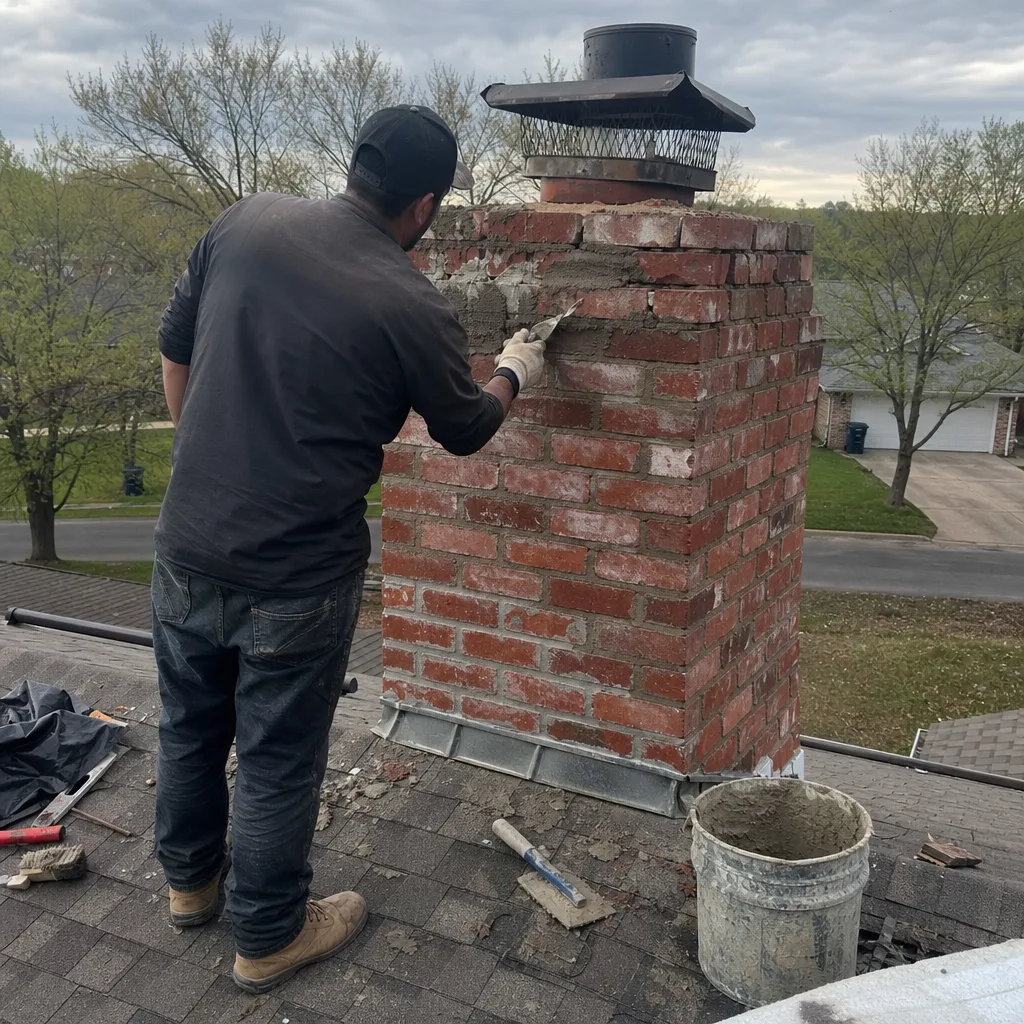
How much does a chimney sweep cost in Fort Worth, TX in 2026?
A standard single-flue chimney sweep in Fort Worth costs between $179 and $249 for a wood-burning fireplace with light to moderate buildup. Gas fireplace cleaning runs $149-$199. If heavy or glazed creosote (Class II or III) is present, Creosote Removal moves the price to $249-$650 depending on severity. A sweep bundled with a full NFPA 211 Level 2 camera inspection runs $299-$449. Every Level Two Chimney Co. quote is given in writing before work starts. Call (682) 499-2712 for a written estimate on your specific flue.
Is a chimney sweep the same as a chimney inspection in Fort Worth?
No. A sweep removes combustion deposits from the flue. An inspection evaluates the condition of the liner, smoke chamber, crown, cap, and firebox. NFPA 211 defines three inspection levels: Level 1 (visual only), Level 2 (camera down the flue, required after any change of ownership, fuel type, or following a chimney event), and Level 3 (invasive, for suspected structural damage). Level Two Chimney Co. includes a Level 2 camera scan and documented photo record on every visit as standard – not because it’s required, but because a sweep without a liner inspection leaves you guessing about the most important part of the system. The combination price runs $299-$449 in the Fort Worth market.
How often does a Fort Worth chimney need to be swept?
Once per year is the NFPA minimum for a regularly used wood-burning fireplace. Gas fireplaces: at minimum every other year, though annual is the safer standard given the carbon monoxide risk of undetected venting failures. Fort Worth’s burn season typically runs November through March, which means late August through October is the right scheduling window – before cold fronts drive every homeowner to call at once. If you haven’t had a documented inspection in the last 12 months, that’s the answer to “how often.”
Can I clean my own chimney instead of hiring a professional in Fort Worth?
Brush kits sold at hardware stores can remove light Class I creosote from a straightforward vertical flue, but they don’t give you a liner inspection, a camera record, or any documentation of what’s inside the flue walls. Class II and Class III creosote require chemical treatments and professional equipment, not a brush kit. More to the point, a DIY brush-down won’t tell you whether the liner has cracked, whether the smoke chamber mortar is deteriorating, or whether the cap is intact after a hail event. The cleaning itself is the least complicated part of a chimney service; the inspection is what protects the house. For anything beyond clearing a light surface deposit, a trained technician with a camera is the right call.
What’s the difference between cheap chimney sweep quotes and Level Two Chimney Co.’s pricing in Fort Worth?
Low-price chimney sweep offers – the $49 or $79 specials that circulate online and in coupon mailers – typically include a basic brush cleaning and a visual look from the firebox. They don’t include a camera inspection, don’t produce a documented photo record, and often generate upsell pressure once the technician is in the home. Level Two Chimney Co.’s pricing starts at $179 for a standard sweep and reflects a written scope, camera documentation, and a named technician before anyone starts work. The 365-Day Done Right Promise is attached to every job. If you have a written estimate from another company, bring it: we’ll give you a free second opinion on the scope and price. Call (682) 499-2712.
Does a chimney sweep affect homeowner’s insurance in Fort Worth?
Many homeowner’s insurance policies in Texas require documented annual chimney maintenance as a condition of coverage for fire-related claims. A policy that excludes claims resulting from “failure to maintain” is common, and a chimney fire with no inspection record on file puts the claim at risk. The documented photo record and written report that come with every Level Two Chimney Co. visit serve as your maintenance record – the kind of paperwork an adjuster asks for. An undocumented flashlight sweep from a company with no written report doesn’t serve that purpose. Fort Worth homeowners should check their specific policy language; the documentation standard Level Two provides under Haven Standard Clause 4 is designed with exactly this scenario in mind.
Key Takeaways
- Chimney sweep service in Fort Worth runs $149-$349 for most residential situations; Class III creosote removal can reach $650 or more.
- Gas fireplace cleaning is less expensive than wood-burning sweeps but still requires annual attention for carbon monoxide safety.
- Fort Worth-specific factors – hailstorm cap damage, clay soil movement, and common gas conversion situations in older neighborhoods – affect scope and price more than national guides reflect.
- Annual service is the single most effective way to keep chimney cleaning costs predictable and low.
- A sweep without a camera inspection leaves the most important diagnostic question unanswered.
- Level Two Chimney Co. provides a written price before work starts, a Level 2 camera inspection, and a documented photo record on every visit – standard, not optional.
- A free second opinion on any written estimate is available. Call (682) 499-2712.
Ready to Schedule? Here’s How to Reach Us
If you want to know what your Fort Worth chimney’s flue looks like in 2026 – and what it costs to address anything found – call (682) 499-2712. A live person answers around the clock, every day of the week. We’ll give you a written price before we schedule a technician, and a written report with photo documentation when the visit is done. The 365-Day Done Right Promise is on every job. No voicemail, no web form, no “we’ll call you back.”
Corrine Halstead leads the team at Level Two Chimney Co. and holds the same standard on every Fort Worth job that’s been in place since the company started in 2009: written price, camera down the flue, documented record when it’s done. Over 38,000 chimneys inspected and cleaned under that standard. Yours would be next.
Pricing reflects the Fort Worth market as of 2026. Level Two Chimney Fort Worth offers free estimates – call (682) 499-2712.
Written by Corrine Halstead, Owner at Level Two Chimney Co., serving Fort Worth, TX since 2009.
What Our Customers Say
"We were buying the house and needed a real inspection. The report had photographs, the standard it was done to, and a clear repair figure. The seller paid for the repair."
- Lorna D."Clean, careful, put down sheeting, and the fireplace works properly for the first time since we moved in."
- Yvette S."Cap and crown replaced after water was getting in. Price was quoted in writing, and they showed me the mortar failure first."
- Neil O.